‘Three-parent IVF’ was supposed to prevent mitochondrial disease. Studies are raising doubts
Scientists and ethicists are rethinking the potential risks and benefits of a technology to prevent babies from inheriting rare mitochondrial diseases.
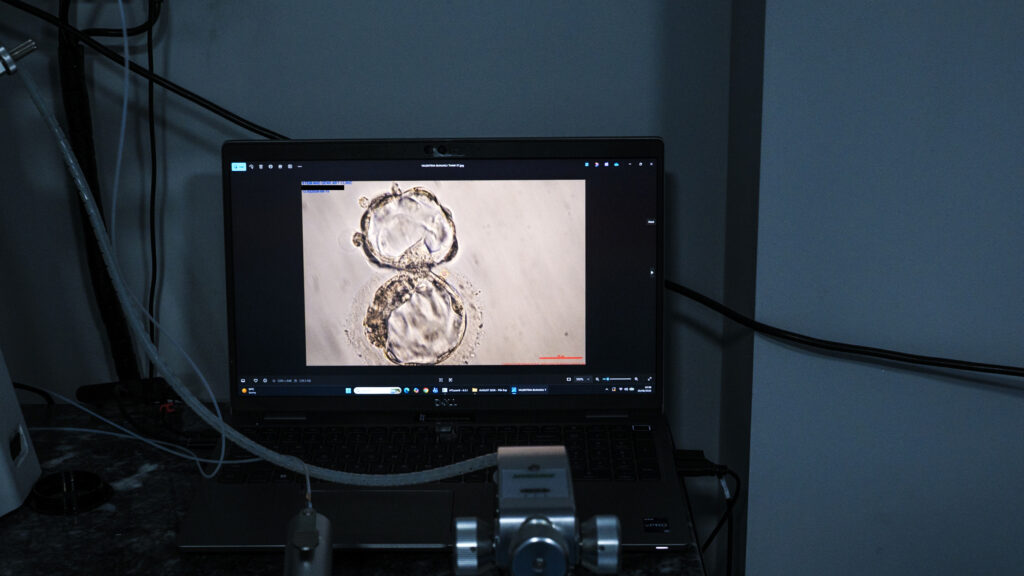
The U.K.'s announcement last year of eight healthy children born to mothers with mitochondrial disease mutations sparked optimism for a groundbreaking reproductive technique called "three-parent IVF." This procedure, officially known as mitochondrial replacement techniques (MRT), aimed to significantly reduce the risk of babies inheriting potentially lethal genetic disorders, sparking global interest and even prompting the U.S. to consider its legalization.
However, as Australia, the second country to officially sanction the technique, gears up to commence its own national trial with MRT, concerns are emerging among scientists and ethicists about the technology's potential risks and benefits. Researchers are questioning whether the initial focus on preventing mitochondrial disease may be misguided, as new data from the U.K., coupled with pilot studies conducted in other parts of the world, is prompting a reevaluation of the original intentions behind this pioneering reproductive approach.
Written by urgent.news from STAT News's reporting — not their text. Machine-written — may contain errors; check the original before relying on it.