The US midterms decide who gets blamed for the economy that’s coming
Whoever wins Congress inherits a stack of problems due to detonate over the next two years, just in time to crater 2028 ambitions, and few have obvious fixes.
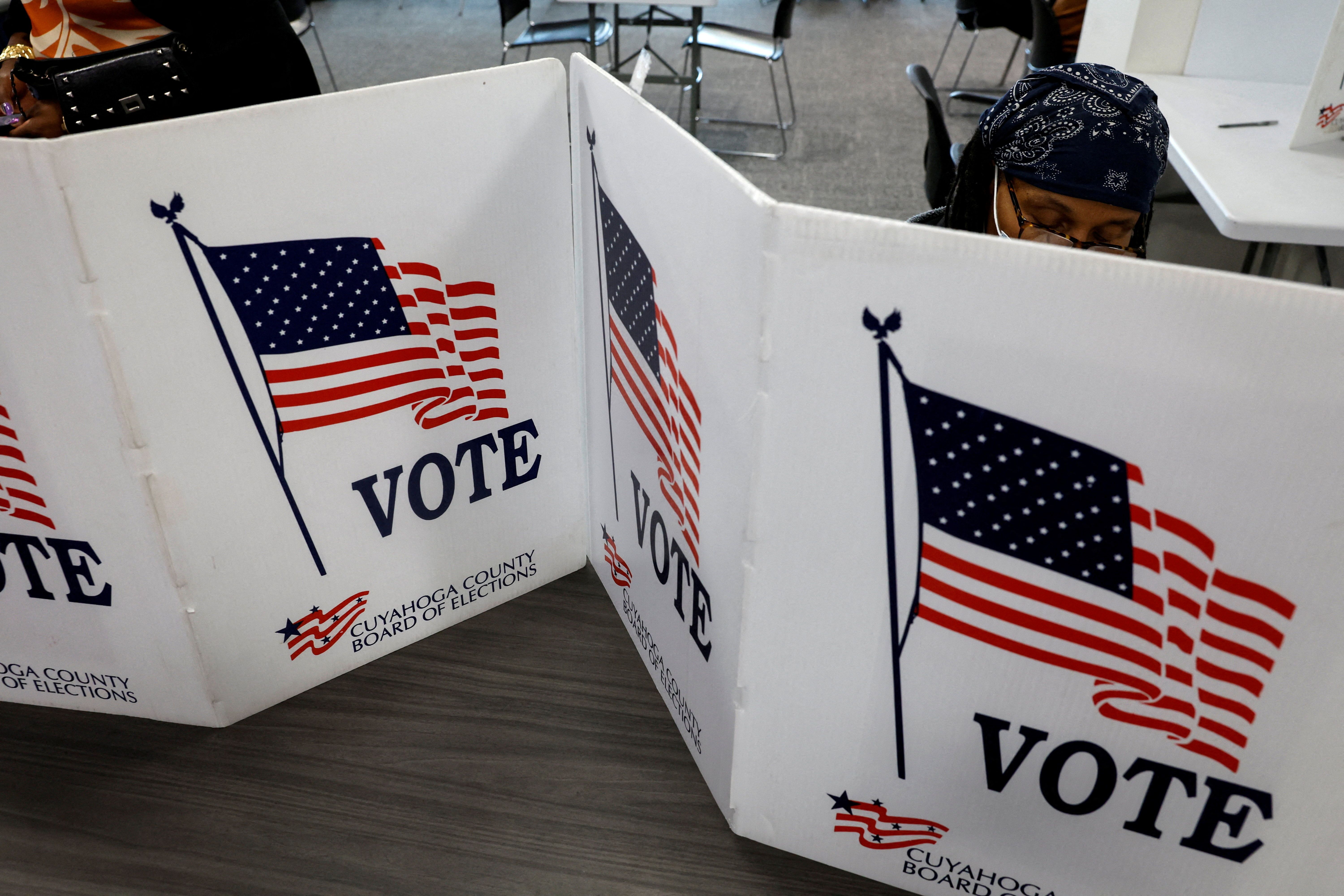
The upcoming US midterm elections are a contest to determine who will bear the blame for a long list of looming economic challenges. Democrats have the upper hand in the house, but the outcome of the Senate remains uncertain. Whoever emerges victorious from Congress will face a daunting list of troubles to address over the next two years, with the stakes rising just in time to affect the 2028 presidential campaign.
Inflation, a key concern, sits at around 3.7%, with upward trends persisting for six of the last eight months. This inflationary pressure is exacerbated by the Federal Reserve's decision to continue tightening monetary policy, a stance supported by the hawkish views of a key Fed official, Kevin Warsh, who was appointed by President Trump.
The job market has also faltered, with only 29,000 new jobs added in September, while the revised data from July reveals a negative trend. Companies are hesitant to hire or lay off employees, caught in a precarious balance as they grapple with the uncertainty surrounding the potential impact of artificial intelligence on employment. This uncertainty is echoed in the broader business environment, as companies struggle to decide whether to expand or contract in response to the economic climate.
Apart from domestic issues, external threats loom large. The White House is reportedly contemplating retaliatory actions against Iran following a potential midterm election defeat, which could shift the political focus away from the election itself. However, the economic burden of high gas and diesel prices will continue to weigh heavily on the nation, regardless of who occupies the presidency in January. These are the known variables in an increasingly complex economic landscape.
Another set of unknowns stems from the rapid advancement of artificial intelligence. The market's investment in AI technologies shows no signs of slowing, despite the uncertain returns on such investments. A speculative AI bubble may burst under the watch of the next Congress, potentially leading to a financial crisis. The political landscape in Congress is also a point of contention, with lawmakers having failed to pass legislation on AI regulations during the past session.
Numerous data-center moratoriums and AI-related referendums have been put to a vote, with over 20 initiatives in Ohio alone. Even some of President Trump's supporters acknowledge that he owns the narrative on the economy, regardless of the legislative actions taken in Congress.
While the outcome of the elections may not significantly alter the economic trajectory, it could provide the White House with a new political ally in the form of a Democratic Congress. This relationship could be crucial in addressing the myriad of economic challenges that lie ahead, from managing inflation to navigating the uncertain terrain of artificial intelligence.
Ultimately, the winners of the midterm elections will not be heralding a new era of economic prosperity, but rather assuming responsibility for a package of economic challenges that will test the resolve of the incoming administration.
Written by urgent.news from Semafor's reporting — not their text. Machine-written — may contain errors; check the original before relying on it.