The Strait of Hormuz closure has cost Europe an extra $142 billion for the same energy it was already buying
Ursula von der Leyen told a Brussels startup summit importing oil and gas means importing “the shocks and crises that come with them."
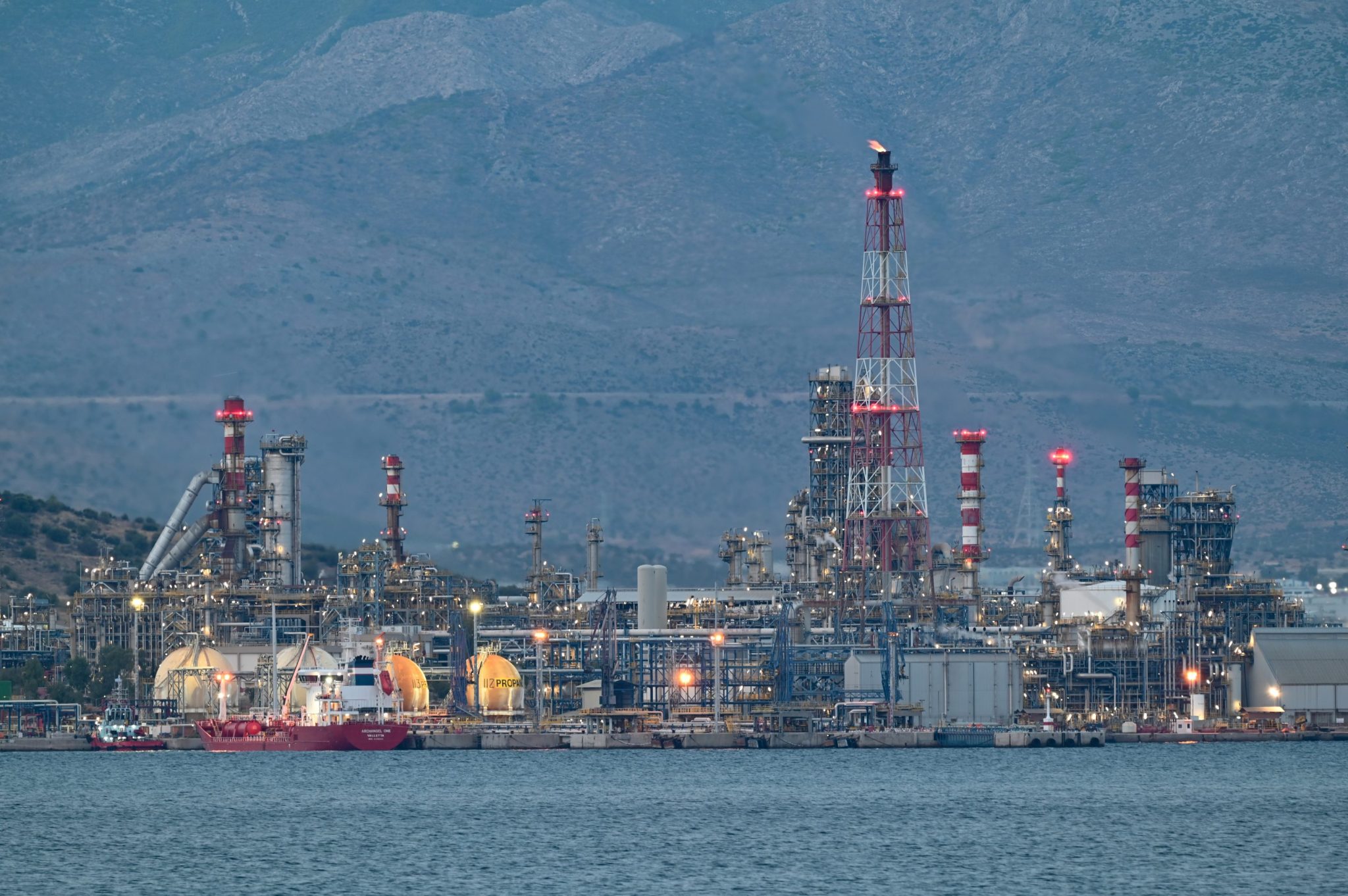
Since the closure of the Strait of Hormuz, Europe has suffered an additional $142 billion in costs for imported oil and gas, with no extra energy received in return, according to European Commission President Ursula von der Leyen. In April, the Commission estimated the extra cost at $27 billion, which had risen to $111 billion by late September.
The bloc's dependence on Russian energy has been disrupted, with Russia's share of EU gas imports falling from about 45% to 13% in 2025. In response, EU members have imposed bans on Russian gas and liquid natural gas imports and signed agreements to reduce reliance on Russian imports. However, Europe has largely replaced Russian gas with other imports, such as LNG from the U.S. and Middle East.
The war then shut the Strait of Hormuz, which carried about one-fifth of the world's traded oil, leading to significant disruptions in tanker traffic. EU gas storage levels fell to just 28.4% by late March, below the five-year average. The International Energy Agency has warned that EU gas storage could fall below 10% by the end of March if cold weather persists, causing energy shortages and higher prices.
EU officials expect oil and gas prices to remain above prewar levels until at least the end of 2027. The European Union aims to become climate-neutral by 2050 and reduce emissions 90% by 2040, and von der Leyen argued that Europe needs to import less and stay committed to its clean energy targets.
Written by urgent.news from Fortune's reporting — not their text. Machine-written — may contain errors; check the original before relying on it.