The Raspberry Pi 5's PCIe connector is a godsend for DIY projects, but it comes at a cost
It can add some extra oomph to your projects, but you’ll need to drop more money on adapter cards and HATs
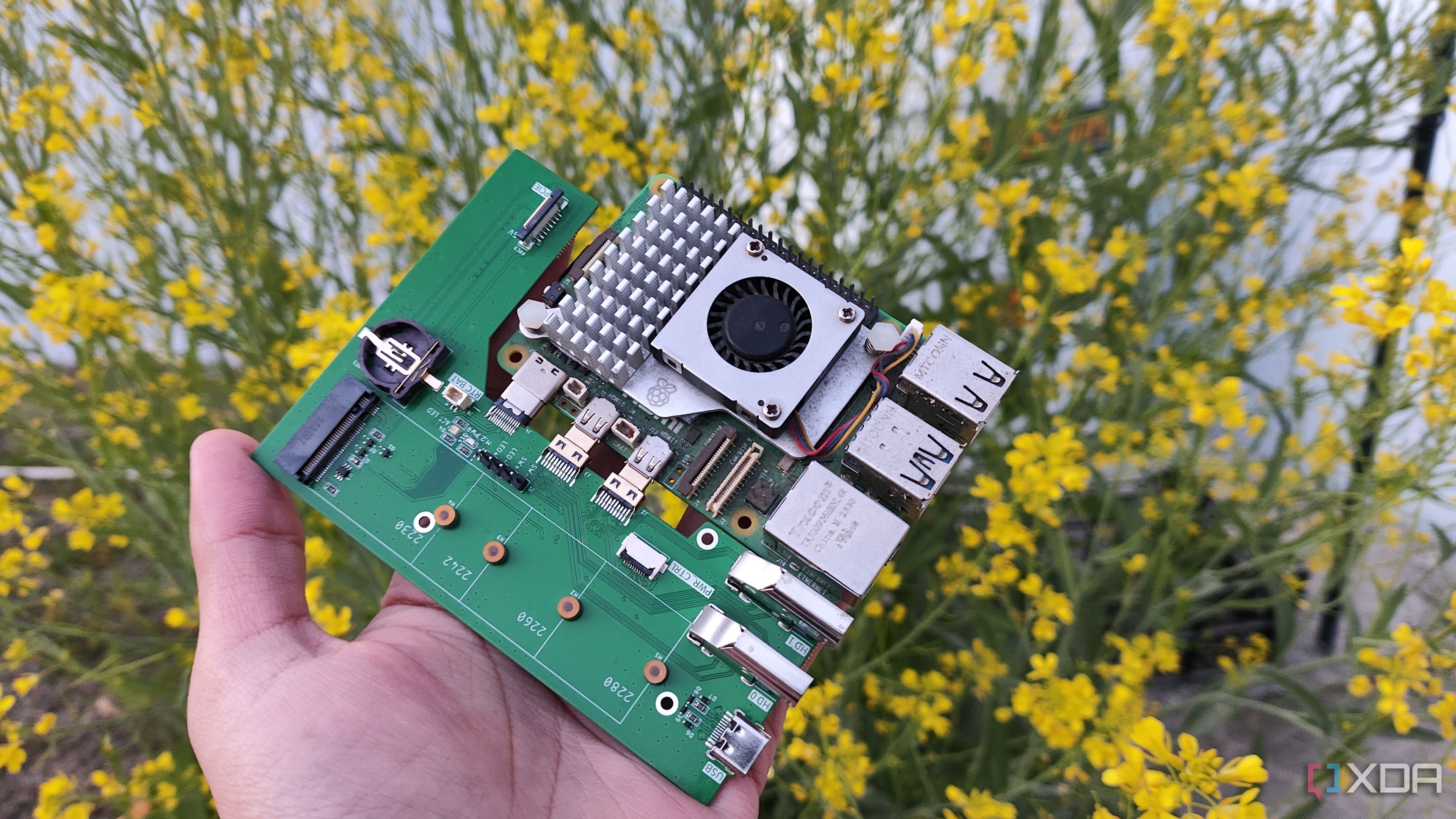
The Raspberry Pi 5's PCIe connector has been hailed as a boon for DIY enthusiasts and hobbyists looking to push the limits of their single-board computers. This feature, coupled with the device's superior processor, custom Southbridge-powered I/O ports, and enhanced HDMI and wireless connectivity, has made the RPi 5 a more versatile and powerful platform for experimentation.
However, while the added PCIe slot provides ample opportunities for customization and advanced projects, it comes with a significant drawback: the cost associated with compatible adapters and accessories. For beginners or those seeking budget-friendly solutions, the expense of PCIe-to-NVMe adapters or high-performance SSDs can quickly become prohibitive. This high price point often deters those who might otherwise take full advantage of the Raspberry Pi 5's capabilities.
Moreover, the reliance on microSD cards for boot storage can further complicate matters. While the Raspberry Pi 5 is capable of running resource-intensive applications, such as Windows 11 virtual machines or databases, the slow speed of microSD cards can lead to sluggish performance. Upgrading to a USB-powered SSD or an NVMe SSD connected to the PCIe slot can greatly improve reliability and speed, but these solutions come at an additional financial cost.
Despite these challenges, the PCIe slot offers a range of possibilities for customization, such as integrating HATs and adapters for specialized projects, like the Raspberry Pi AI Kit. This adapter, featuring an Hailo-8L accelerator, can significantly enhance performance in tasks like object detection, making the Raspberry Pi 5 a powerful tool for advanced applications.
However, the high cost of these accessories can make DIY projects more expensive than more conventional options, such as mini-PCs, while still offering limited operating system flexibility and standard input/output capabilities.
Written by urgent.news from XDA Developers's reporting — not their text. Machine-written — may contain errors; check the original before relying on it.
This story
This is one outlet's version. Read the fullest account.
- 16GB Raspberry Pi 5 hiked to $385, more than triple its launch price — makers are already shifting to Pico/ESP32 for small projects, mini PCs for more ambitious tasks tomshardware.com
- The 16GB Raspberry Pi 5 got another ‘unavoidable’ RAM price hike theverge.com
- The latest price hike for the 16GB Raspberry Pi 5 makes it 3x more expensive than at launch xda-developers.com