The Quiet Revolution in U.S.-Cypriot Relations
As ties with Turkey frayed over the past decade, Washington has drawn closer to Nicosia.
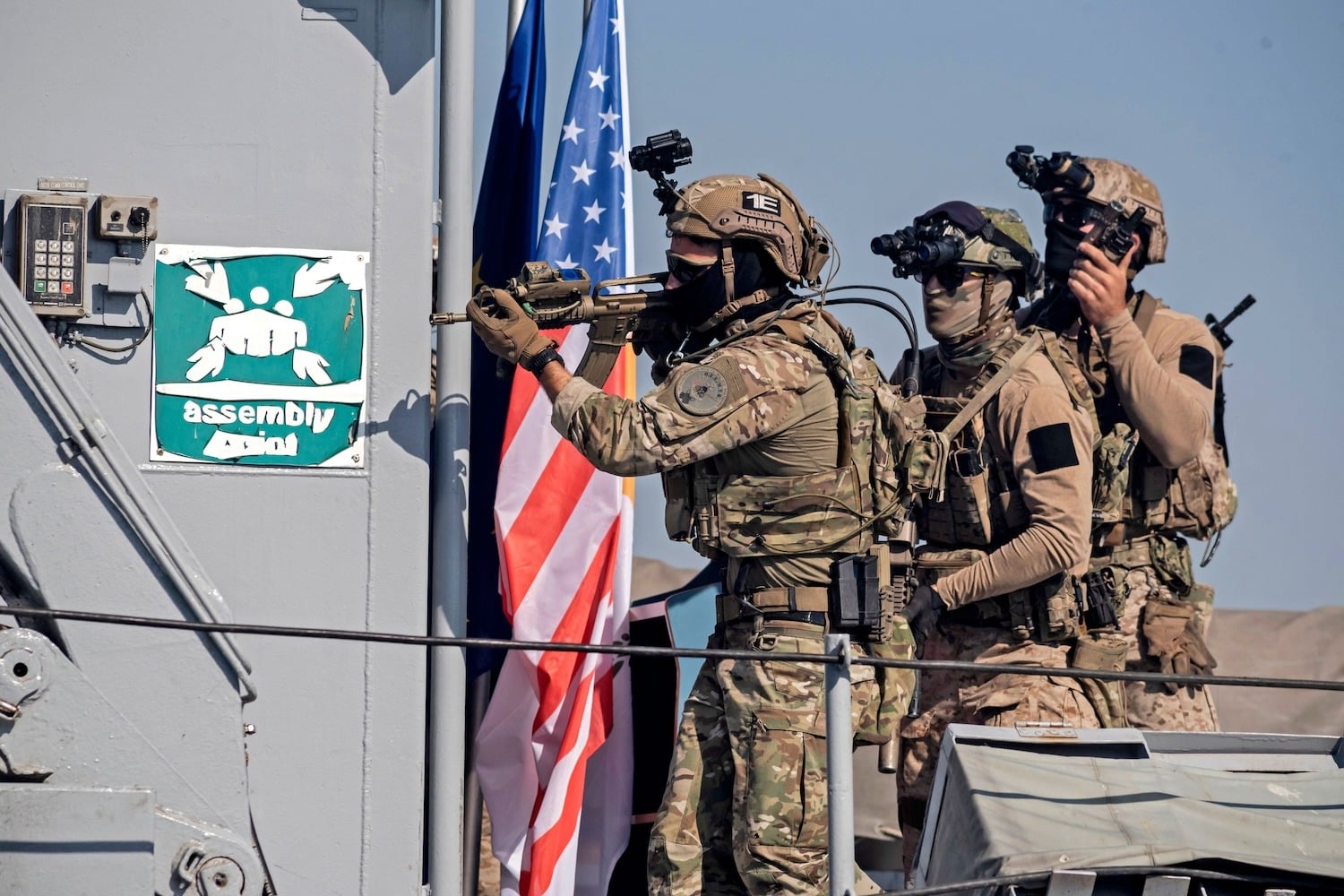
The U.S.-Cypriot relationship has quietly evolved over the past decade, shifting from a focus on resolving the island's division to recognizing Cyprus as a critical security partner. Since the Turkish invasion in 1974, the United States primarily viewed Cyprus as a problem to be solved. However, Cyprus has positioned itself as a vital security ally for the United States and the West.
This relationship has expanded to encompass defense, trade, basing, military training, crisis response cooperation, and strategic dialogue. Cyprus's strategic location, at the intersection of Europe and the Middle East, has made it a valuable security asset. Although divided since 1974, Cyprus governs the southern two-thirds of the island, recognized internationally, while Turkey controls the northern third, which declared independence.
With a population of nearly one million Greek Cypriots, Cyprus has a smaller Turkish Cypriot population in the north. The U.S. initially feared that close ties with Cyprus could destabilize Turkey and hinder reunification efforts, leading to an arms embargo in 1987. However, Cyprus's pro-Western political shift in 2013, with the election of President Nicos Anastasiades, marked a turning point.
Anastasiades sought to enhance U.S.-Cypriot relations, emphasizing Cyprus's strategic importance. By 2014, the bilateral relationship was described by Vice President Joe Biden as a "strategic partnership," reflecting a mutual change in perspective. The U.S. Congress followed suit in 2019, designating Cyprus as a "key strategic partner" and paving the way for the suspension of the 1987 arms embargo.
This quiet revolution in U.S.-Cypriot relations reflects a reevaluation of the Eastern Mediterranean region and a more nuanced understanding of Cyprus's geopolitical significance.
Written by urgent.news from Foreign Policy's reporting — not their text. Machine-written — may contain errors; check the original before relying on it.