The Monstrous Raptors That Threatened Our Ancestors
Did birds of prey shape human evolution? The post The Monstrous Raptors That Threatened Our Ancestors appeared first on Nautilus .
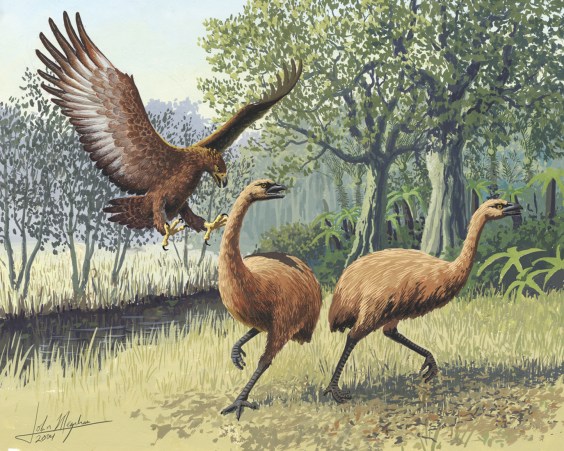
Our early relatives shared the planet with colossal avian predators, whose immense wingspans cast shadows on the skies throughout human development. The discovery of a 2.8-million-year-old toddler's skull in a South African limestone quarry in 1924 unveiled the Taung child, a member of the Australopithecus africanus species. A decade later, researchers analyzing bones found near the skull posited that the bones bore similarities to those of large bird of prey nests.
In 2006, Scott McGraw and a team of anthropologists compared the skull markings of the Taung child to those of monkeys that had fallen victim to the African crowned eagle. The findings revealed a striking resemblance, indicating that the toddler had met a gruesome end at the hands of a predatory raptor. This constant fear of aerial attack may have influenced human evolution, pushing ancestors to form social groups to alert each other of impending danger.
The unique alarm calls for eagle threats may have laid the groundwork for language development. Though the impact of these prehistoric birds on human evolution remains hypothetical, their cultural influence is undeniable. Teratorns, massive condor-like predators that once roamed the Americas until 10,000 years ago, might have inspired Native American legends of the Thunderbird, while New Zealand's Haast's eagle, with its eight-foot wingspan, likely fueled Maori tales of the Te Hokioi, a child-snatching raptor.
Today, these formidable creatures are no more, but their legacy lives on in the cultural narratives of indigenous peoples.
Written by urgent.news from Nautilus's reporting — not their text. Machine-written — may contain errors; check the original before relying on it.