The midterms’ biggest branding trend? Centrism
When Griffin Glaze, a graphic designer, got the job to design James Talarico’s campaign branding , she had just 10 days to do it. Talarico, a Texan who is running for a seat in the U.S. Senate, wanted something that looked unique and nonpartisan. “A lot of what they were looking for was something that felt different,” Glaze tells Fast Company . The North Carolina designer came up with a visual…
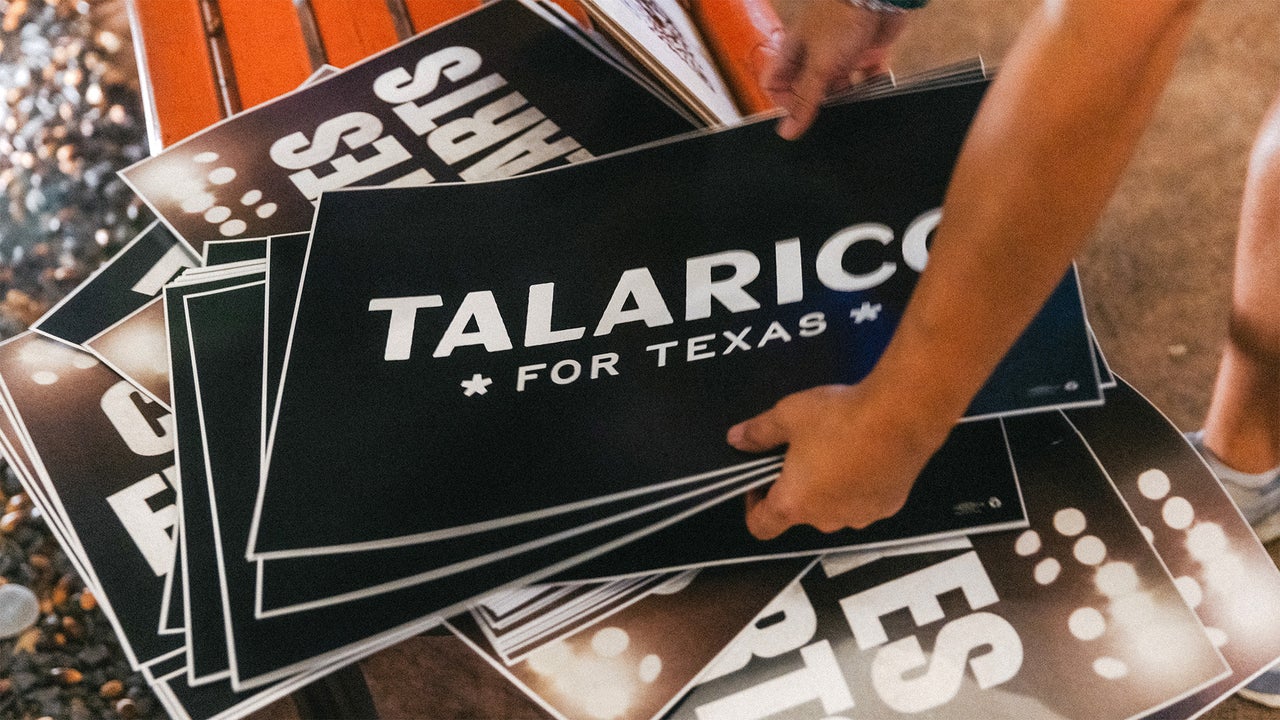
In the recent midterms, a notable branding trend has emerged, favoring centrism over traditional partisan affiliations. Graphic designer Griffin Glaze, who designed James Talarico's campaign materials, aimed for a nonpartisan, unique look drawing inspiration from Baptist church signage. The choice of black and white colors for Talarico's identity was intentional, as it avoided party associations.
This shift in branding tactics is widespread among candidates, with Gallup polling revealing that 45% of U.S. adults identify as independents, a record high. Candidates are avoiding party labels to present a more healing and bridge-building image. Independent candidates explicitly include "independent" in their logos, while Democrats and Republicans also adjust their branding to signal a break from their parties.
For instance, in Iowa, neither governor's campaign website mentions their party or President Donald Trump, opting for a green color scheme to represent unity. Zach Lahn, a Republican candidate for Iowa governor, and Rob Sand, a Democrat, both use their logos to convey a sense of unity. Similarly, Arizona Governor Katie Hobbs, a Democrat, features a circular logo with the tagline "For Arizona" and sends mailers to unaffiliated voters highlighting her policies appealing to both sides.
The use of symbols once associated with Republicans, like the "MAGA box" or "America First," has become bipartisan. Campaigns are increasingly referencing centrism, with a 60% increase in mentions of bipartisanship and working across the aisle in Republican ads compared to 2024. Candidates like Kansas Senate candidate Adam Hamilton emphasize their moderate stance through visual metaphors, distancing themselves from the extreme political environment in Washington.
In summary, the midterms have seen a significant shift towards centrism in branding, as candidates aim to distance themselves from partisan affiliations and appeal to a broader electorate.
Written by urgent.news from Fast Company's reporting — not their text. Machine-written — may contain errors; check the original before relying on it.