The Indian Pavilion in Venice Asks: What Is Home?
"Geographies of Distance" offers a polysemous reading of home during a period of accelerated urbanization in India.
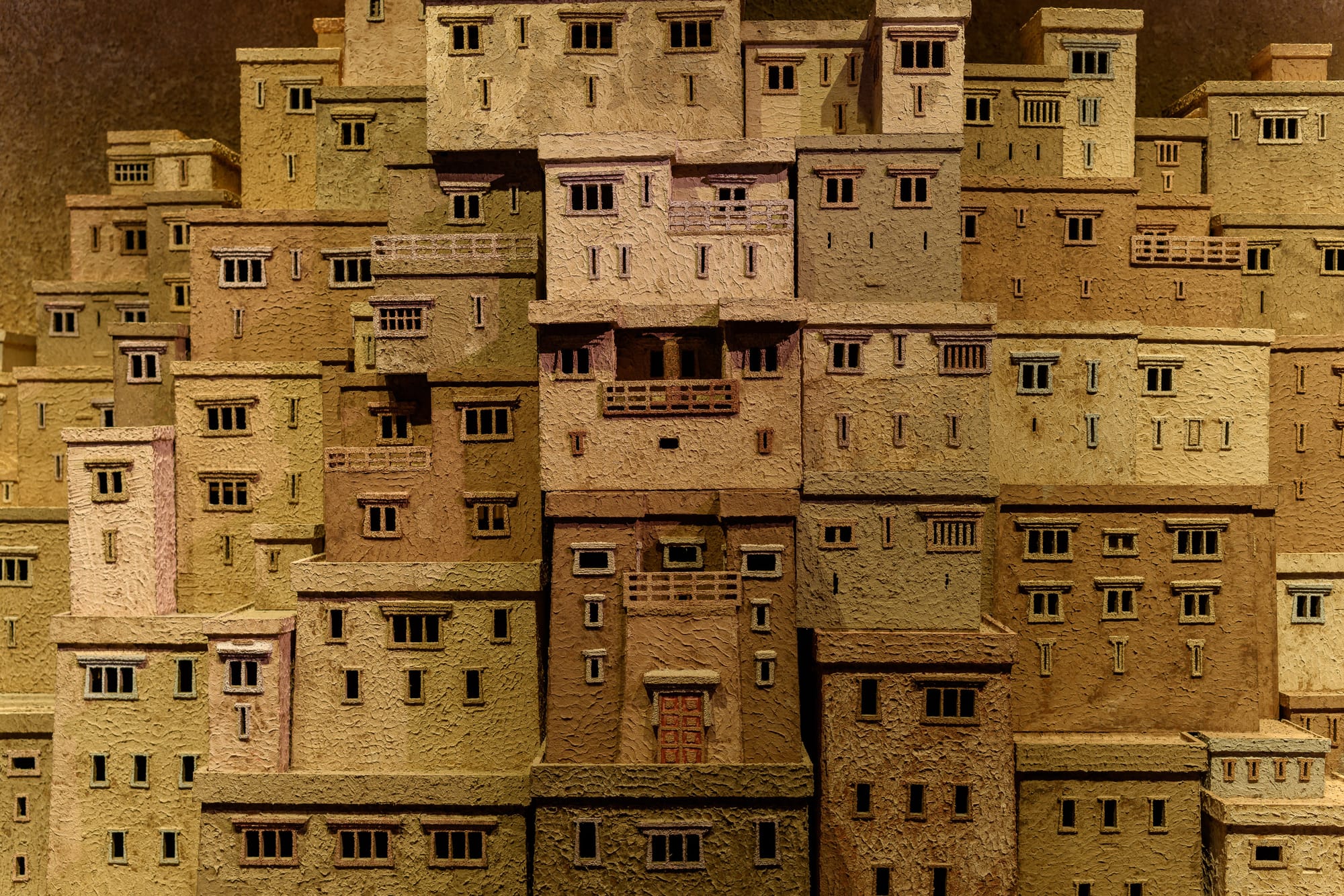
At the 61st Venice Biennale, the Indian Pavilion presents an intriguing exploration of the concept of home through its exhibition "Geographies of Distance: Remembering Home." This artwork embodies the Biennale's theme, "In Minor Keys," by delving into the multifaceted notion of home within India, a country defined by vast distances and diverse experiences.
The exhibition showcases a wide array of Indian landscapes, from the arid regions of Tamil Nadu to the intricate architecture of Ladakh in the north, encompassing everything from houses nestled at the foot of the Himalayas to the ghost of Delhi lost to urban development. A striking element of the installation is the hanging of enormous flowers, serving as a tribute to the significant role they play in India's private, public, and sacred spaces.
Additionally, a network of bamboo canes adorns the pavilion, representing a common construction method found across the East. This element symbolizes the emergence of new cities on the backdrop of older urban areas, reflecting the rapid changes taking place across India.
Curator Amin Jaffer suggests that the pavilion and the works of the five artists on display are a reflection on identity and belonging in an era of swift transformation. They propose a new understanding of home, suggesting that it is not merely a physical location we inhabit, but a condition we carry with us throughout our lives.
Sumakshi Singh's piece, titled "Permanent Address" (2026), is a testament to this concept. Created using silk, cotton, and nylon thread stretched on steel frames, the artwork embodies the transient nature of home in the rapidly changing landscape of India.
Written by urgent.news from Hyperallergic's reporting — not their text. Machine-written — may contain errors; check the original before relying on it.