‘Speak last’: China’s fifth plenum moves to rein in regional leaders
A key document endorsed by the Communist Party proposed stronger oversight of principal leaders below the central level, barring them from demanding personal allegiance from their leadership teams – a demand that is only for the top leaders. The proposal is part of a 17,000-word resolution approved at the fifth plenum of the 20th Central Committee, the full text of which was published by state…
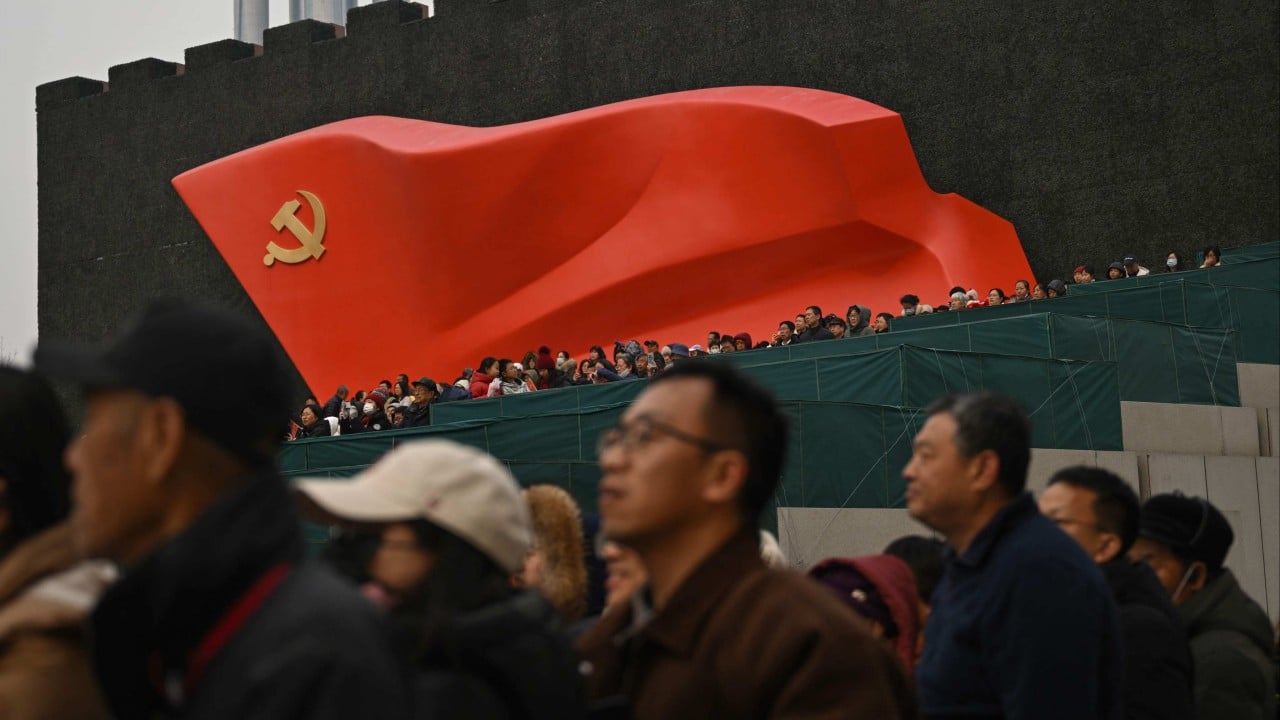
China's fifth plenum of the 20th Central Committee has adopted a resolution aimed at reinforcing internal governance and curbing the power of regional leaders. The 17,000-word document, published by state news agency Xinhua, outlines measures to enhance mechanisms constraining the exercise of power by leadership teams and standardize the responsibilities and powers of principal leaders, who are leaders below the central level.
The resolution introduces a "last-to-speak" rule, requiring top local officials and department heads to withhold their views until all other team members have spoken, ensuring diverse opinions are heard before decisions are made. This practice, formalized in 2015, requires meeting chairs to speak last after hearing everyone else's opinions.
Party committee secretaries must promote internal democracy, refrain from substituting their own opinions for collective decisions, and avoid turning decision-making into a "one-man show."
The directive also emphasizes that party committee secretaries must not demand that the personal authority of principal leaders be upheld. This reflects earlier discipline campaigns by the top leadership, including President Xi Jinping's warning in 2017 that lower-level officials should not claim authority similar to that of the central leadership.
The plenum resolution reaffirms the right of leadership team members to report misconduct by principal leaders to higher party authorities, addressing the historical challenge of whistle-blowing or open dissent, which has often amounted to career problems. The resolution also aims to create direct, vertical reporting lines to higher authorities and scrutinize candidates for principal leadership roles based on their capacity to uphold democratic centralism.
Corruption investigations of principal leaders will be a key focus as the party steps up its clean-up drive ahead of the 21st national congress.
Written by urgent.news from South China Morning Post's reporting — not their text. Machine-written — may contain errors; check the original before relying on it.