‘Speak last’: China’s fifth plenum moves to rein in party leaders
A key document endorsed by the Communist Party proposed stronger oversight of principal leaders below the central level, barring them from demanding personal allegiance from their leadership teams – a demand that is only for the top leaders. The proposal is part of a 17,000-word resolution approved at the fifth plenum of the 20th Central Committee, the full text of which was published by state…
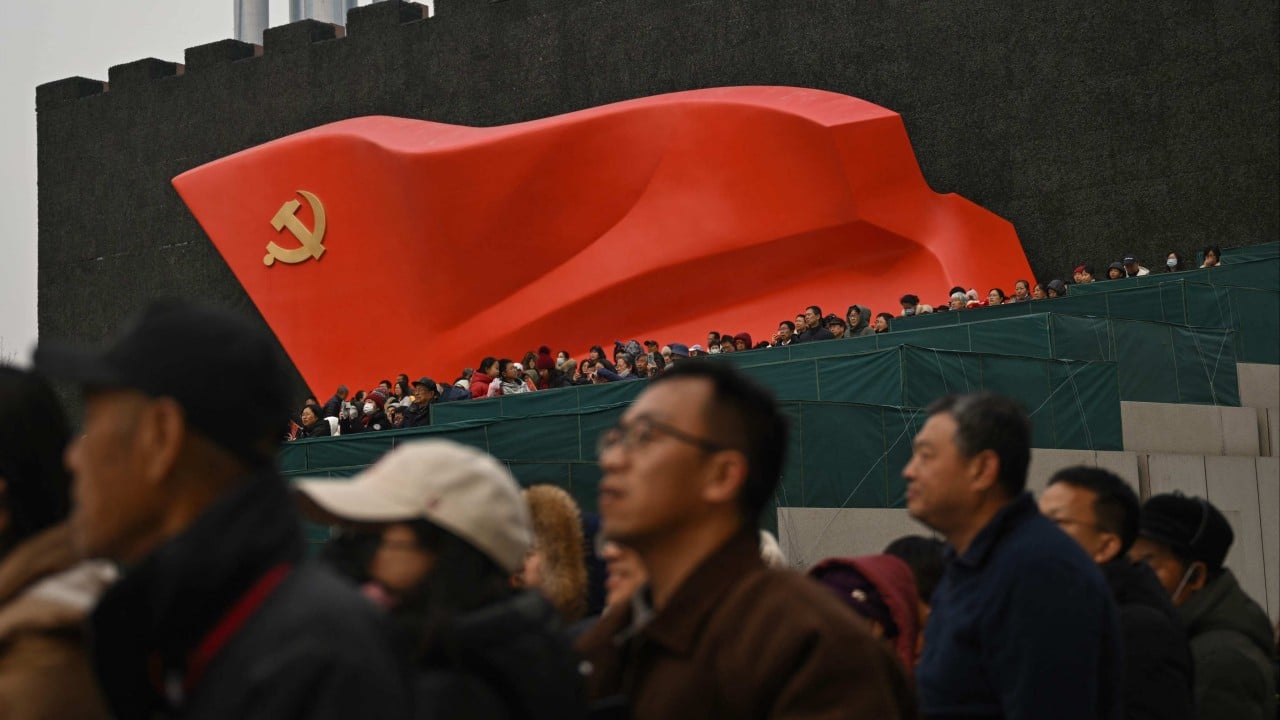
The Communist Party of China's fifth plenum of the 20th Central Committee has unveiled measures to rein in party leaders below the central level, as outlined in a 17,000-word resolution approved at the plenum. The document emphasizes the need for stronger oversight of principal leaders – heads of departments and administrative levels – and proposes a "last-to-speak" rule to ensure diverse opinions are heard before decisions are made.
The resolution stresses the importance of improving mechanisms to constrain leadership teams' power, standardizing responsibilities and powers, and implementing a system where principal leaders must speak after all other team members. Party committee secretaries are urged to promote internal democracy, refrain from substituting their own opinions for collective decisions, and avoid turning decision-making into a "one-man show."
This directive echoes earlier discipline campaigns by top leadership, which warned against lower-level officials claiming authority similar to that of central leadership. President Xi Jinping's 2017 warning emphasized that only the party Central Committee holds authority, and its logic should not be extended to other levels. Xi's statement was published in a compendium on "Xi Jinping Thought on Party Building" in June.
The plenum also reaffirmed the right of leadership team members to report misconduct by principal leaders to higher party authorities, a practice that historically has been detrimental to whistle-blowers' careers. Senior researcher Xie Maosong from Tsinghua University noted that horizontal supervision had long been a structural challenge in China's political architecture.
The resolution aims to create direct, vertical reporting lines to higher authorities, enabling whistle-blowing or open dissent without career repercussions. Principal leaders will be a key focus of corruption investigations, as the party steps up its clean-up drive ahead of the 21st national congress in the second half of next year. The plenum resolution confirms that the party will convene its next national congress in Beijing, where a major reshuffle of the central leadership will be decided.
Written by urgent.news from Reuters Business via SCMP's reporting — not their text. Machine-written — may contain errors; check the original before relying on it.