Self-checkout was supposed to cut costs. Instead, it created a problem retailers didn’t anticipate
Stores are cutting back on self-checkout lanes. According to an April survey from Toast, a point-of-sale and restaurant management platform, approximately 36% of 340 small and midsize retail operators said they used self-checkout lanes this year, down from 43% in 2025. That decrease could be attributed to merchandise losses. According to a report from ECR Retail Loss , grocery stores experienced…
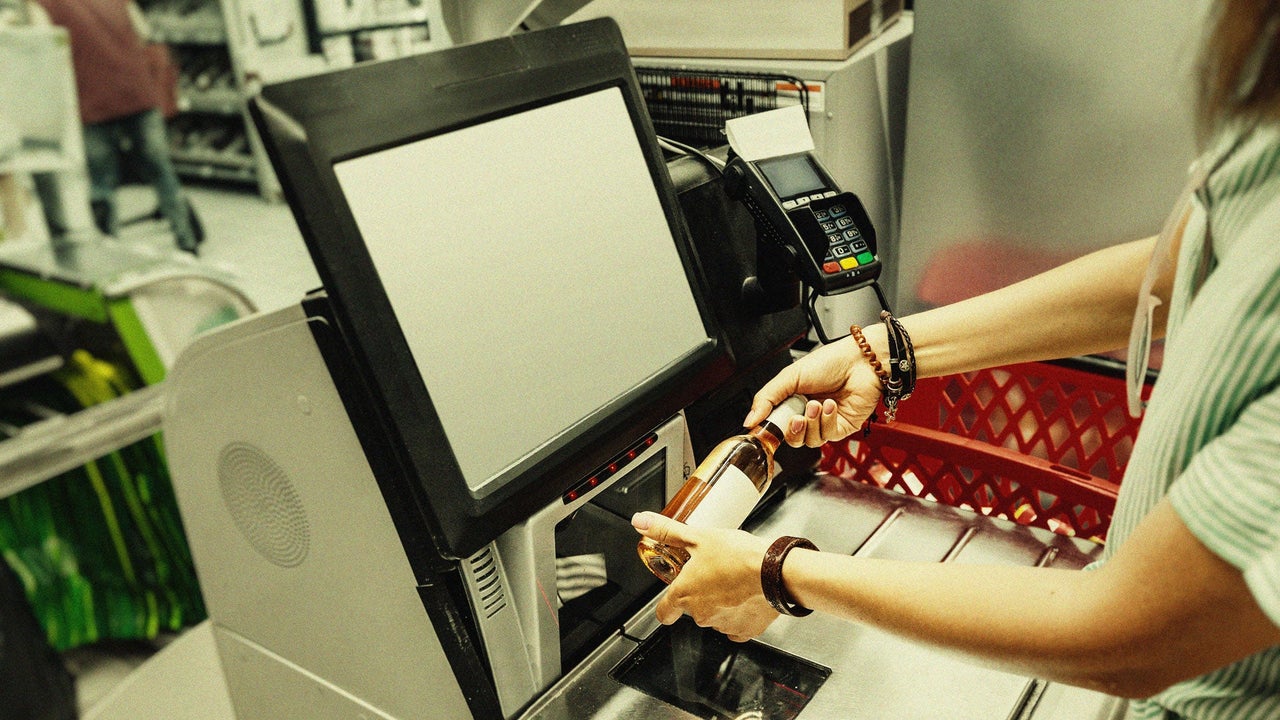
Self-checkout kiosks, once heralded as a way to cut costs, have instead given rise to a new set of problems for retailers. According to a recent survey, the use of self-checkout lanes by small and midsize retail stores declined from 43% in 2025 to 36% in 2024. This decrease is believed to be due to an increase in merchandise losses.
Research from ECR Retail Loss found that grocery stores experienced a 22% jump in merchandise losses after installing self-checkout lanes. These losses were attributed to a combination of theft and mistakes such as missed scans or incorrect product selections. While some retailers found self-checkout lanes beneficial as they shifted work to customers, others faced significant challenges.
Sylvain Charlebois, a professor of food distribution at Dalhousie University, noted that while self-checkout can be convenient for small purchases, it can be frustrating for customers with large carts due to repeated prompts for assistance. Some retailers have responded by reducing their use of self-checkout technology. Dollar General, for instance, removed self-checkout lanes from around 12,000 stores in 2024, and Five Below also decreased its usage of the technology that year.
Despite the setback, retailers remain eager to adopt efficient technology solutions. According to the same survey, 75% of retail operators plan to increase their technology spending in the next year, up from 64% last year. Among these innovations, electronic shelf labels saw an 11 percentage point increase in usage, and 90% of retailers expect to use more AI in the future, up 6 percentage points from last year.
Currently, 42% of retailers are experimenting with AI through external vendors, while 28% are testing it with both internal and external partners. Twenty percent are relying solely on internal resources for AI experimentation. Furthermore, 88% of the surveyed retailers believe that AI will enhance their business efficiency. Looking ahead, Charlebois predicts a hybrid checkout experience that combines self-service for small baskets, staffed lanes for larger or more complicated purchases, and advanced technology to assist employees in identifying errors and helping customers.
Written by urgent.news from Fast Company's reporting — not their text. Machine-written — may contain errors; check the original before relying on it.