Road ban stays on e-scooters, but trial findings will shape upcoming laws, says MOT
KUALA LUMPUR, Nov 3 — Micromobility vehicles such as e-scooters remain strictly prohibited on all public roads for...
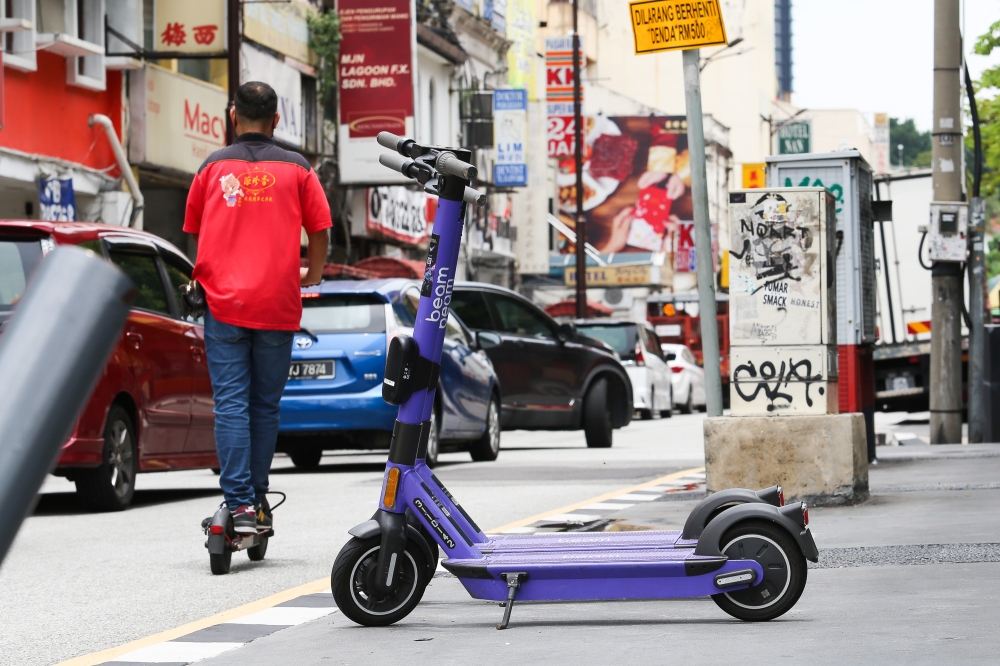
The Malaysian Transport Ministry has announced that e-scooter use remains prohibited on all public roads, but the outcomes of controlled trials will inform the forthcoming comprehensive regulatory framework. Replied to a question in the Dewan Rakyat, the ministry affirmed that micromobility devices can serve as practical solutions for short-distance "first and last mile" transit, but their implementation must be controlled, considering road conditions, traffic speeds, user safety, and infrastructure suitability.
The Road Traffic Rules (Prohibition of Use of Certain Micromobility Vehicles) 2021 currently bans mopeds, Personal Mobility Devices (PMDs), and Personal Mobility Aids (PMAs) on all public roads nationwide. However, the Transport Minister retains the authority to grant targeted exemptions for trial zones via the Micromobility Sandbox pilot programme.
Currently, the sandbox initiative operates in seven designated pilot areas, including municipalities in Shah Alam, Subang Jaya, and Penang, as well as university campuses and Kuala Lumpur City Hall. The Malaysian Institute of Road Safety Research (MIROS) has drafted operational guidelines for these trials, encompassing infrastructure design, rider safety, device roadworthiness, and fleet operator responsibilities.
The trial data will assess how micromobility functions in real-world traffic conditions to inform future legislation on vehicle classification, mechanical safety standards, permitted corridors, and enforcement protocols. The ministry highlighted the importance of learning from international practices, particularly those of China, Singapore, and Japan, which regulate micromobility through vehicle categories, safety specifications, speed limits, and usage rules based on route type and suitable areas.
The ministry emphasized that micromobility routes should feature dedicated lanes separate from motorized traffic, or shared corridors if local councils install necessary traffic-calming measures and enforce speed limits. Urban planning agency PLANMalaysia has provided route planning guidelines to state governments and local authorities to incorporate micromobility paths into existing transit infrastructure.
Nevertheless, the parliamentary reply did not offer a specific timeline for legalising micromobility in housing estates or village roads, leaving speed limits and suburban residential neighbourhood operational parameters unaddressed.
Written by urgent.news from Malay Mail's reporting — not their text. Machine-written — may contain errors; check the original before relying on it.