OPINION| LGE 2026: When democracy multiplies parties but not purpose
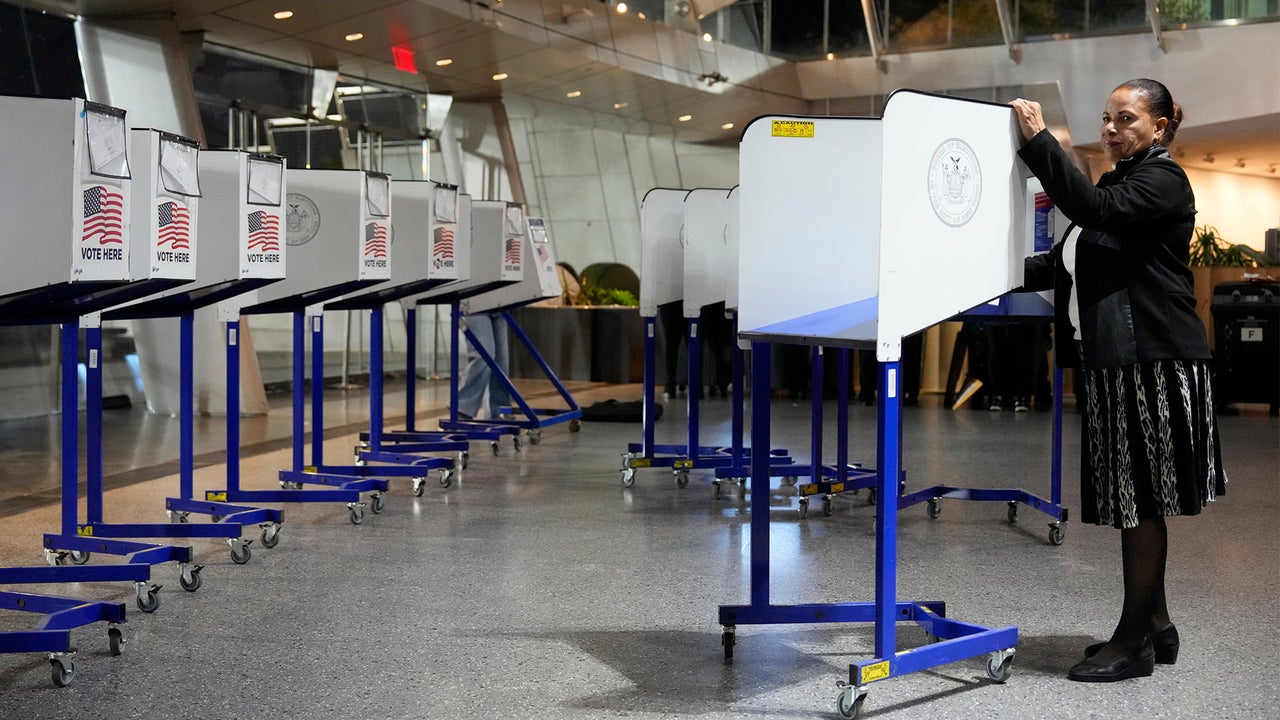
South Africans will experience the most extensive local election ballot in the nation's democratic history on November 4. The voter list includes around 546 political parties, a 60% increase from the 325 parties in 2021. Nearly 137,000 candidates are vying for close to 10,500 council seats.
This surge in party formation and participation reflects both the constitutional right to create and join political parties and a citizenry increasingly dissatisfied with the status quo. The rise in parties indicates that many South Africans feel their needs are not adequately represented by the traditional political heavyweights. Local grievances such as water shortages, housing shortages, and corruption drive people to create or support smaller formations.
While the expansion of parties is a positive sign of democratic vitality, it also highlights political opportunism and self-expediency. Politicians often jump on the bandwagon rather than leading, capitalizing on public anger over local crises or national scandals to position themselves at the forefront of protest movements. When internal struggles within established parties become too factional or closed to ambition, many rational career moves involve registering a new party.
The scale of fragmentation in South Africa is noteworthy, reflecting genuine ideological or geographic differences but also the personalization of politics. Public office has become a career ladder that is often easier to climb outside the mainstream than inside it. As a result, voters face an abundance of labels with limited clear alternatives.
The consequences of this fragmentation are already evident. Hung councils have become more common, governance is more precarious, and accountability is more diffuse. When a ballot is split among dozens of parties, securing a working majority becomes more challenging, as political energy is consumed by power negotiations rather than effective governance.
However, the right to form parties is a foundational freedom that should not be restricted. The remedy lies in improving internal party democracy, setting higher standards for those seeking public office, and encouraging voters to exercise discernment. A democracy that multiplies choices without cultivating the capacity to judge those choices risks turning abundance into noise.
On November 4, South Africans will affirm their right to organise, dissent, and seek power. This freedom is precious, but it becomes truly valuable when exercised for reasons beyond the length of the queue they left behind or the noise they choose to amplify. Citizens should celebrate the expansion of choice while critically examining the motives behind many of the new parties.
True democracy requires both the right to form parties and the responsibility to offer coherent alternatives that voters can meaningfully evaluate.
Written by urgent.news from SABC News's reporting — not their text. Machine-written — may contain errors; check the original before relying on it.