OpenAI introduces program to reduce AI data center energy demand during peak hours
The Grid Protectors Program applies load shedding, a technique in use since the 1970s, to data centers.
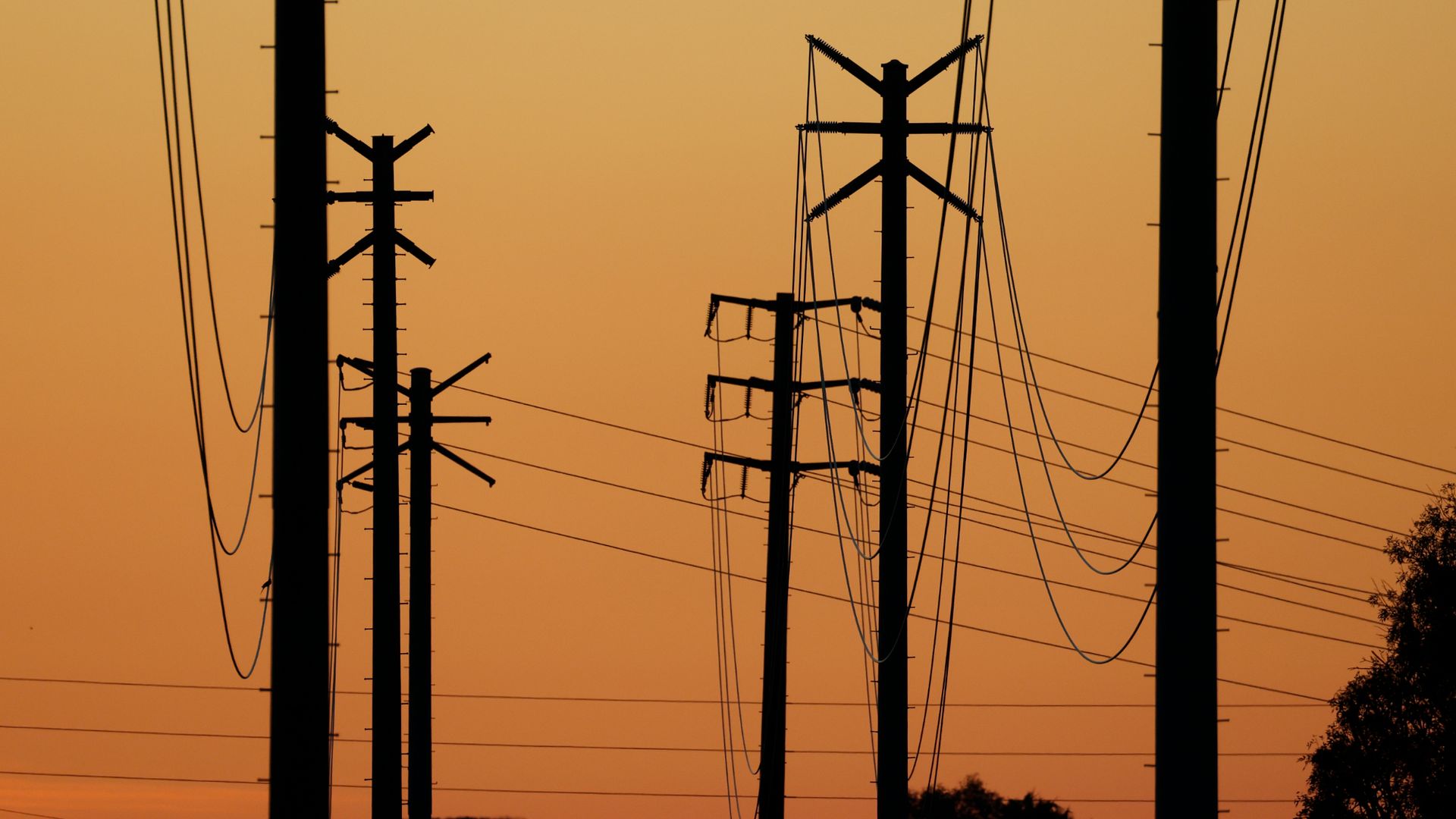
OpenAI has unveiled a new initiative to curb the energy demand of its data centers during peak hours, aiming to alleviate strain on local electricity grids. The company's Grid Protectors Program is designed to lower the power consumption of its facilities when local demand surges, preventing grid overload and enabling quicker access to online operations.
The program will allow OpenAI to contribute to grid stability by reducing electricity usage during high-demand periods, such as extreme heatwaves or cold snaps, when households rely heavily on cooling or heating systems.
OpenAI emphasizes the significance of maintaining reliable electricity supply, stating that their objective is to transform campus flexibility into a resource that utilities can exploit when communities require it most. The Grid Protectors program will be piloted at OpenAI's planned Effingham County campus in Georgia, where the company has already secured a 3.2-gigawatt agreement with Georgia Power, encompassing 1,000 megawatts of flexible demand response.
This capacity could potentially power around 800,000 American households, accounting for nearly 20% of the state's homes.
Demand response technology has been in use for decades, with utilities traditionally relying on manual calls to industrial customers to curtail consumption during peak demand. However, advancements in automation and IoT have enabled data centers to adjust their load instantly, within a minute. Nvidia has previously tested a comparable system in the UK, demonstrating its efficacy.
Written by urgent.news from Tom's Hardware's reporting — not their text. Machine-written — may contain errors; check the original before relying on it.