NASA’s Swift Observatory Is Falling to Earth. Here’s What to Know About the Impending Impact
The 3,200-pound satellite is expected to reenter Earth’s atmosphere later this week with a wide reentry zone covering parts of Africa, Australia, Southeast Asia, and South America.
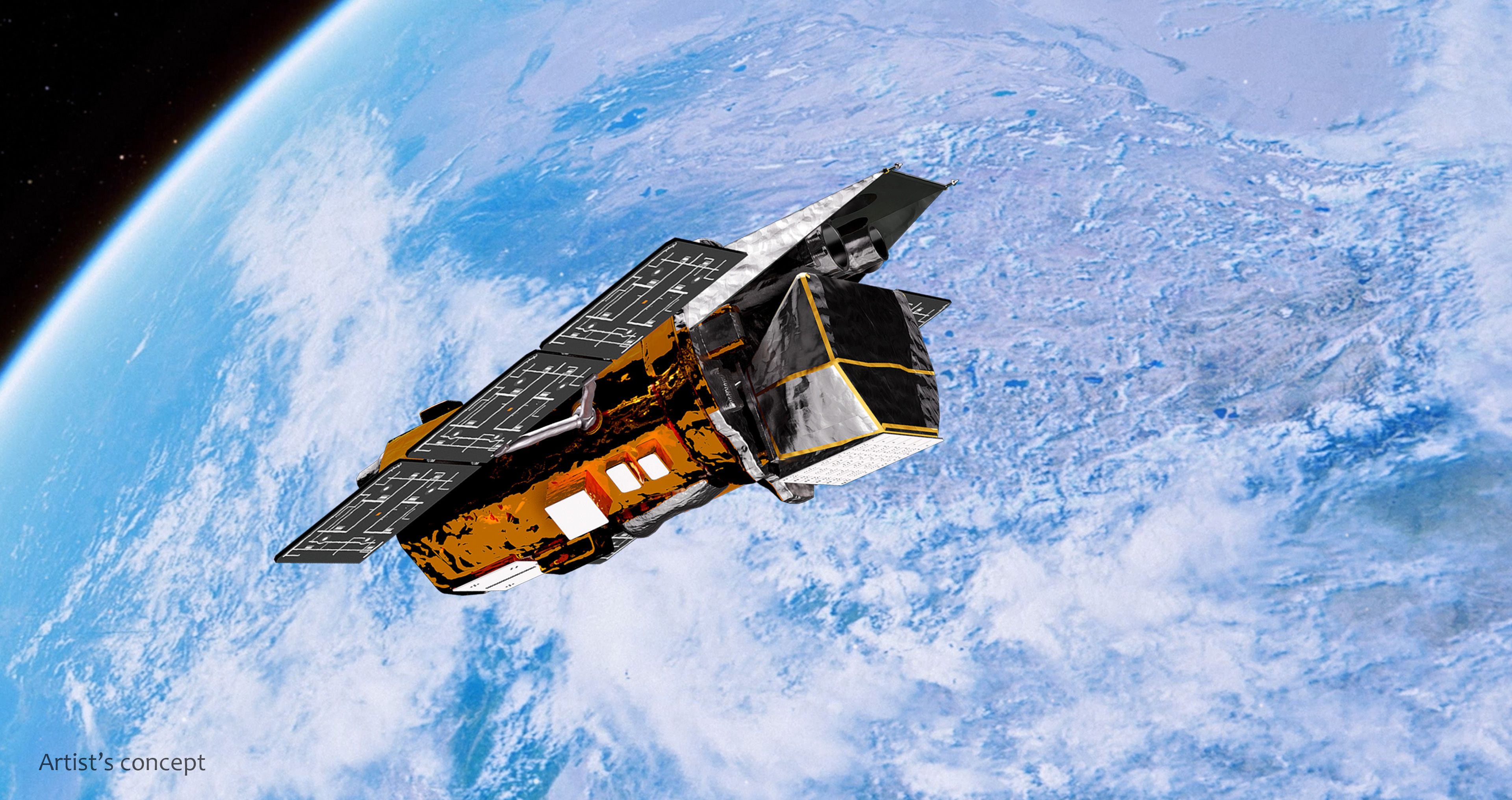
NASA's Swift Observatory, once a vital space telescope, is now on a collision course with Earth. Originally launched on November 20, 2004, Swift was equipped with three telescopes to study gamma-ray bursts, among the most powerful explosions in the universe. Despite its initial mission lasting longer than expected, the observatory's orbit decayed in 2024 due to increased solar activity.
NASA attempted to rescue Swift in 2026 with the LINK mission, but it failed due to control system issues. As of October 2026, Swift is now less than 170 miles from Earth, and its operational mission has ended. NASA predicts the satellite will reenter the atmosphere on November 6, with the majority of its components disintegrating during reentry.
However, some tungsten and mirror parts may survive, potentially landing across Africa, Australia, India, Southeast Asia, and Central and South America. The risk to human life is estimated to be one in 10,000, but NASA has not published the precise risk assessment. Despite its end, Swift's observations have contributed to over 7,000 research papers, and its data will continue to aid scientific discovery for years to come.
Written by urgent.news from Wired Science's reporting — not their text. Machine-written — may contain errors; check the original before relying on it.