Municipalities leave election winners with R122.5bn Eskom bill
On the eve of Wednesday’s municipal elections, municipalities owe Eskom R122.5bn, putting even residents who pay their electricity bills on time at risk of having their power supply cut off.
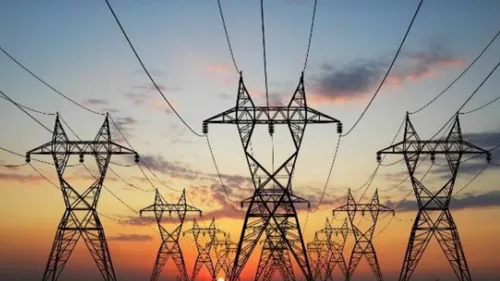
On the eve of South Africa's municipal elections, municipalities are facing a staggering R122.5 billion debt to Eskom, a situation that could potentially disrupt the power supply for residents even if they have paid their bills on time. Eskom spokesperson Daphne Mokwena warned that incoming councils must ensure their electricity accounts are up to date, prevent further arrears, and tackle the existing debt.
Mokwena emphasized that Eskom's mounting municipal debt poses a significant threat to the utility's financial sustainability and requires coordinated action from all levels of government. Despite extensive interventions, Eskom's overdue municipal debt had reached approximately R122.5 billion by August 2026. Eskom acknowledged the impact on residents who pay their bills, stating that supply interruptions would only occur as a last resort, after intergovernmental engagements and a public Promotion of Administrative Justice Act process.
Eskom's CEO, Dan Marokane, led a delegation to the IEC's election hub in Midrand to ensure the utility's support plans for the election were well-prepared. The utility's 43,000 employees, referred to as Guardians, are on standby across the country to support the Independent Electoral Commission (IEC). Eskom's load-shedding has been suspended, with South Africa going over 17 months without it since May 16, 2023.
Eskom sells electricity to municipalities in bulk, while residents' bill payments and collection remain the responsibility of the local authorities. Eskom has proposed distribution agency agreements, under which municipalities would retain their electricity licences while Eskom handles billing and collection, ensuring residents' payments go directly to their electricity supply.
Eskom is also rolling out a nationwide smart meter system, enabling it to individually address each household's supply, regardless of payment status.
National Treasury's power to withhold municipalities' equitable share of national revenue could not resolve the debt issue alone, as Treasury's enforcement measures must be combined with municipalities paying current accounts in full and on time, preventing new arrears, addressing historical debt, and tackling structural causes of non-payment. Eskom will continue working with government on short, medium, and long-term solutions.
National Treasury had withheld the July equitable share from 69 municipalities over unpaid debts to Eskom, water boards, unfunded budgets, and wasteful expenditure before releasing the remaining R7.1 billion later that month. Electricity and energy minister Kgosientsho Ramokgopa informed Parliament that 110 municipalities each owed Eskom more than R1 million in overdue debt as of August 31. eMalahleni Local Municipality in Mpumalanga, which includes the town formerly known as Witbank, had the highest debt at R13.6 billion.
Ramokgopa also told Parliament that Eskom projected municipal debt could reach R358 billion by 2031 without decisive intervention.
Professor Hartmut Winkler, a physics professor at the University of Johannesburg, advised municipalities to ring-fence residents' electricity payments and pay them over to the supplier, City Power in Johannesburg and Eskom in smaller towns. Winkler urged municipalities to start immediately and not punish residents who have installed solar panels.
He suggested formalising and simplifying the way municipalities buy back unused power from residents, which would reduce the need to purchase more expensive power and help cover shortfalls. Winkler also noted that fixing old, malfunctioning equipment would take many years.
Written by urgent.news from IOL's reporting — not their text. Machine-written — may contain errors; check the original before relying on it.