Long COVID recovery varies sharply by symptoms, study finds
Fewer than one in five people with multiple body systems impacted experience sustained improvement within three years of infection, a study found.
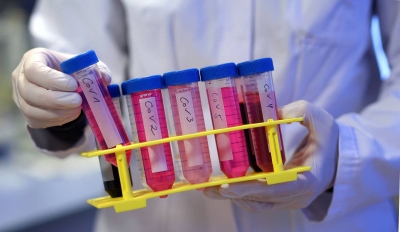
A U.S. study reveals that long COVID recovery is highly variable based on the specific symptoms experienced, with those affected by multiple body systems having significantly lower chances of sustained improvement compared to overall recovery estimates. Out of 1,019 adults still experiencing probable long COVID a year after initial infection, only 38% showed sustained symptom improvement within three years, while 25% achieved complete symptom remission.
However, the outcomes varied greatly depending on the pattern of illness. Those whose long COVID was primarily characterized by changes in smell or taste had a much better recovery rate (60%) compared to those with symptoms affecting multiple body systems (less than 19%). The study, part of the NIH-funded Recover initiative, tracked various symptoms such as fatigue, cognitive impairment, and post-exertional malaise in addition to issues affecting several organ systems.
There is currently no approved treatment for long COVID. The research, conducted by Ziyad Al-Aly of the VA St. Louis Health Care System, highlights that the group experiencing multiple system symptoms represents a distinct, more persistent form of long COVID, with a poor prognosis for recovery. The findings also underscore the challenges in defining recovery, as the symptom index used in the study, developed from Recover initiative data, has not been independently validated in other populations.
Experts argue that inconsistent definitions complicate distinguishing true recovery from temporary remission.
Written by urgent.news from Japan Times's reporting — not their text. Machine-written — may contain errors; check the original before relying on it.