Health insurance merger: Do smaller health insurance funds have to fear for their future?
Federal Minister of Health Linnemann may want to lower the sickness fund contributions. In an interview with the Handelsblatt, he hinted that for him, it's not just about the size.
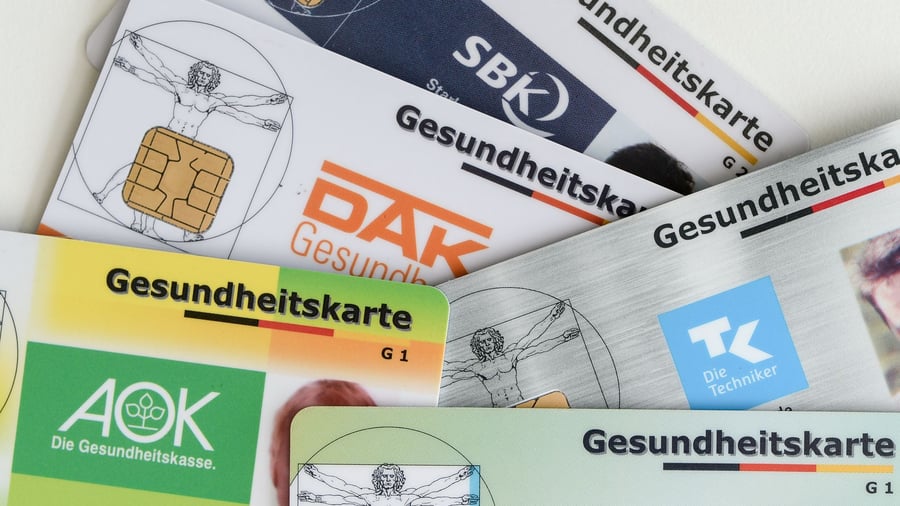
Berlin – Bundesgesundheitsminister Carsten Linnemann (CDU) proposed reducing the number of statutory health insurance companies as early as April 2026, when he was still serving as CDU General Secretary. By August, he had introduced a limit of 20 such insurers to the debate. In an interview with the Handelsblatt, Linnemann expressed his intention to await the report of the Financial Commission, which is set to present its proposals for reform by the end of December.
However, he hinted that his concerns go beyond just reducing the size of the insurers, pointing to the need for digitalization and Artificial Intelligence (AI). "What matters is what a health insurer must do, especially in the digital age," Linnemann stated. The key, in his view, is the need for changes in the structure of health insurers.
As of early 2026, there were just under 93 statutory health insurers in Germany. Linnemann hopes that having fewer insurers would lead to less administrative burden and lower costs. But does the size of a health insurer truly make a measurable difference when it comes to digitalization and AI? And would mergers make the healthcare system more cost-effective?
Written by urgent.news from Handelsblatt's reporting — not their text. Machine-written — may contain errors; check the original before relying on it.