Jordan's security gap: Former intelligence officer urges rethink on extremism after church attack
A prominent security specialist has called for reviving a government plan to undermine extremism in Jordan after an attack on a church last month that killed nine people and shook the country. The Oct 23 attack in the village of Hmoud, 80km south of Amman, riled Jordan’s small Christian community and challenged official assertions of Jordan as a bulwark against militancy. Saud Al Sharafat, a…
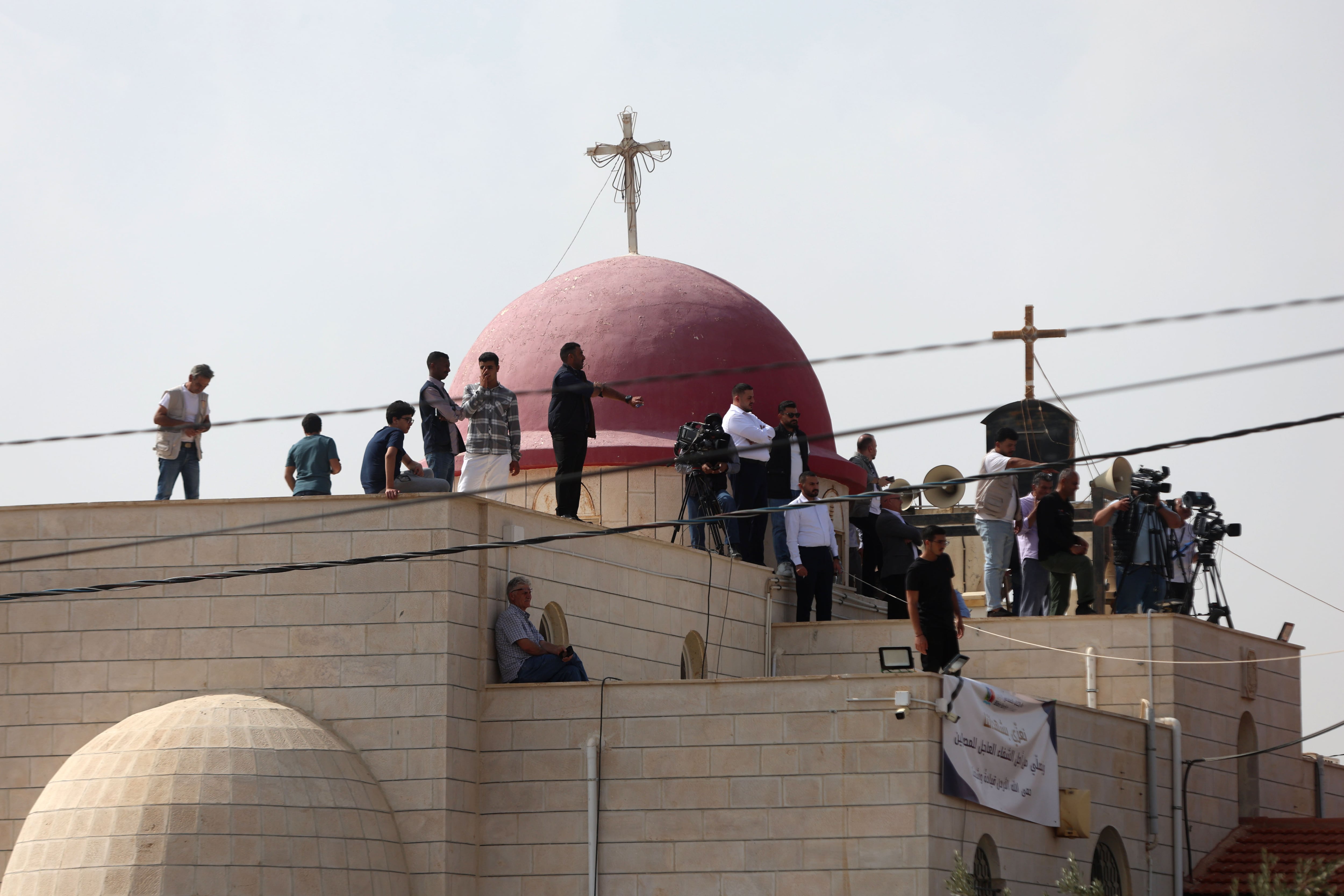
A former intelligence officer in Jordan has urged the government to reconsider its strategy against extremism following a deadly church attack last month that left nine people dead. The October 23 incident in the village of Hmoud, located 80 km south of Amman, shook the country and exposed the nation's vulnerabilities in the face of extremism.
Saud Al Sharafat, the retired brigadier general, criticized the government for failing to implement its National Strategy for Countering Violent Extremism despite its completion in 2014. The strategy aimed to address issues such as education, human rights, and socio-economic conditions to counter extremism and promote a tolerant religious culture.
Al Sharafat emphasized the need for a continuous national priority on prevention rather than merely responding to individual incidents. He also noted that terrorism has been a persistent issue in Jordan for decades, with many attacks thwarted over time. The attack in Hmoud was the first deadly terrorist assault on a church in modern-day Jordan, highlighting the vulnerability of places of worship.
The suspected assailants were believed to have takfiri ideology, a belief shared by militant groups like ISIS. In response to the attack, Jordan launched airstrikes against ISIS targets in Syria, marking the first such action in the kingdom.
Written by urgent.news from The National UAE's reporting — not their text. Machine-written — may contain errors; check the original before relying on it.