Japanese government announces criteria for creating backup capital of Japan
Four cities are the most likely candidates to become vice-capitals in case Tokyo is struck by an incapacitating natural disaster. Over the course of history, Japan has had several capital cities. Most famously, the imperial court was previously located in Kyoto, and before that in Nara. There was also a period of around 150 years […]
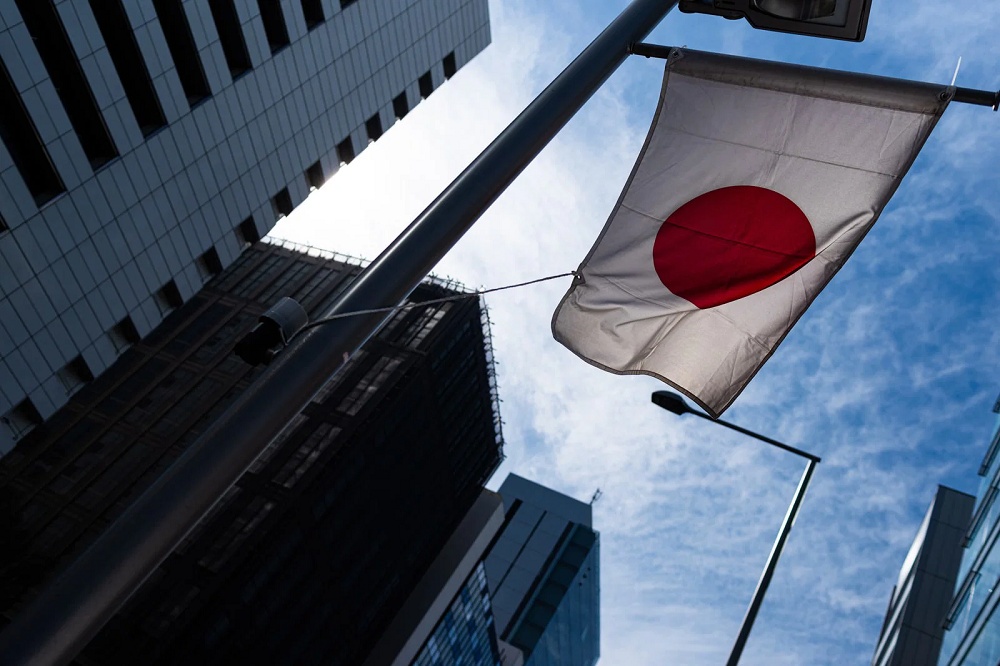
Japan's government has recently unveiled a set of criteria for selecting a backup capital city, in case the country's current capital, Tokyo, is affected by a devastating natural disaster. Throughout history, Japan has had several capital cities, including Kyoto, Nara, and Kamakura, but in 1868, the capital was moved to Edo, which later became Tokyo, meaning "eastern capital."
The government is looking to designate a "fukushuto" or "vice-capital" to act as a backup in times of crisis, such as a major earthquake or eruption of Mt. Fuji.
Four cities stand out as the most likely candidates: Osaka, Aichi, Fukuoka, and Hokkaido. The idea of a vice-capital has been proposed by the Nippon Ishin (Japan Innovation) Party, which has strong support in Osaka, Japan's third-largest city by population. The Liberal Democratic Party, the ruling party, also backed the initiative after agreeing to move forward with it last summer. Prime Minister Sanae Takaichi's cabinet released the criteria for cities to apply for backup capital status.
To qualify, a city must be located in a prefecture that contains at least 1.2% of Japan's total population and contributes to 2.1% of the nation's GDP. It must also be far enough from Tokyo to be outside the area of effect of any disaster that could incapacitate the current capital. Furthermore, the city must have facilities for at least half of the 28 classifications of national government field offices.
Yokohama is eliminated from the list as it is too close to Tokyo, posing a similar risk to the capital in case of a natural disaster.
While Osaka politicians initially advocated for the idea, they now seem to have competition. Aichi, Fukuoka, and Hokkaido also meet the government's criteria, and it is suggested that their legislators will push for Nagoya, Fukuoka, and Sapporo to be chosen as a backup capital. The framework of the ordinance doesn't explicitly prohibit multiple cities from being awarded the status.
The Japanese government's National Personnel Authority states that there are over 40,000 government employees working in Tokyo's Kasumigaseki district, where most government facilities are located. Although the vice-capital concept doesn't require a complete 1:1 backup of every office and worker, it would necessitate some level of redundancy.
This would likely involve hiring and infrastructure development funded by tax revenue, providing economic benefits to the chosen city and increased political clout for local legislators.
However, some argue that debating and choosing backup capital cities might be a less pressing concern for most citizens compared to rising living costs, stagnant wages, and crime. The cabinet is expected to spend the next year drafting the fundamental policies for how the vice-capital site would operate, with the final plan set to be presented next October, prior to official site selections.
Written by urgent.news from SoraNews24's reporting — not their text. Machine-written — may contain errors; check the original before relying on it.