Is a post-midterm deal with Canada possible?
Both countries have signaled little change in their positions since talks collapsed.
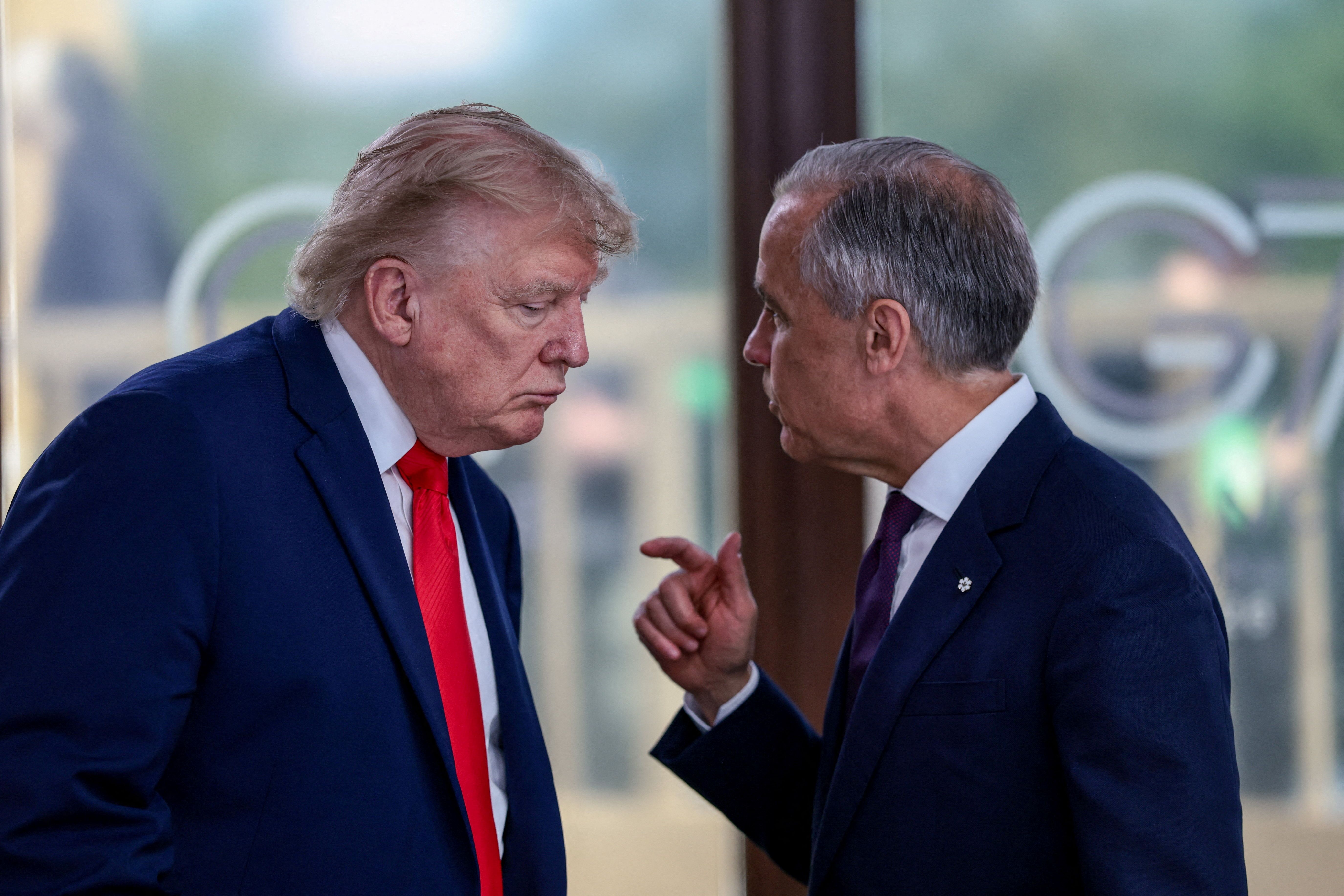
Trade observers are closely monitoring Tuesday’s midterm elections in the United States, hoping to gauge whether a potential US-Canada trade deal is on the horizon. President Donald Trump’s persistent claims that a deal is nearing completion have significant implications for key swing states such as Michigan and Washington, as explained by Ernst & Young’s Blake Harden to Semafor.
Harden notes that it is unclear whether the White House’s rhetoric about a near-term deal is a direct response to the upcoming elections or if their strategy will shift after they have concluded.
Despite the apparent stalemate, both the United States and Canada have maintained their positions relatively unchanged since the talks hit a roadblock. Canadian Prime Minister Mark Carney has assured that his team will continue to work over the following weeks to progress the negotiations. In terms of prospects, Harden suggests that there could be more flexibility in reaching an agreement following the elections, or alternatively, the US and Canada may become more entrenched in their current stances without a significant catalyst.
The White House has thus far been tight-lipped about the specifics of the ongoing discussions. A White House official conveyed to Semafor that the administration remains open to ongoing dialogue with Canada and is determined to finalize a deal that would yield substantial benefits for American citizens.
Written by urgent.news from Semafor's reporting — not their text. Machine-written — may contain errors; check the original before relying on it.