I gave my ESP32 a second job as an RF analyzer, and now I'm not buying a dedicated spectrum monitor
Peek at the radio frequency activity at home.
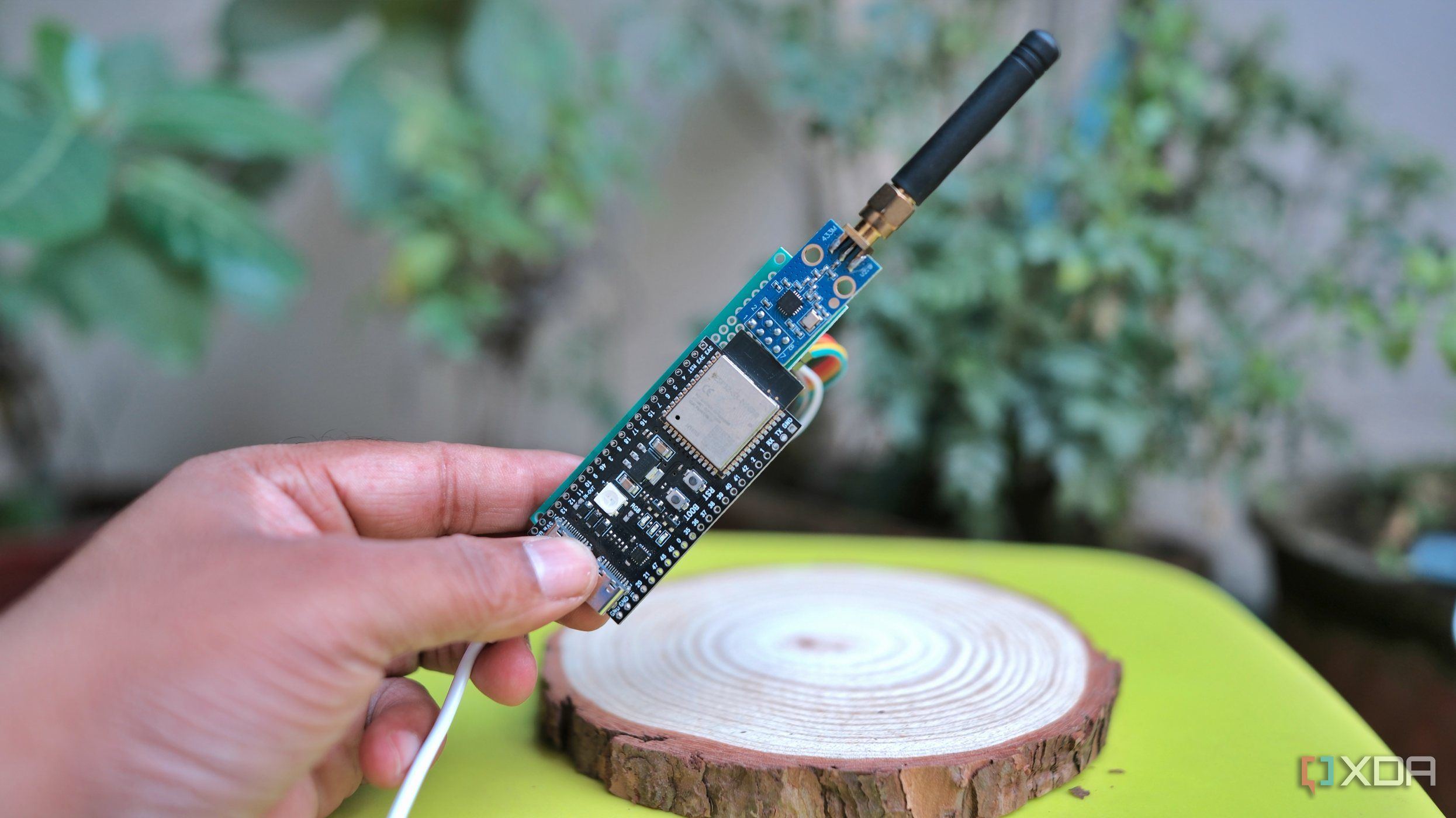
I repurposed an $8 ESP32-S3 microcontroller and a sub-$5 CC1101 wireless transceiver module to create a second job for my ESP32 in the role of an RF analyzer. Instead of purchasing a pricey spectrum monitor, I built this makeshift device using open-source project BKFZ SubGHz. While not professional-grade, it allows me to explore sub-GHz radio activity within my home.
The ESP32-S3 provides Wi-Fi and Bluetooth connectivity, but it cannot directly tune into the sub-GHz frequencies used by many wireless sensors and remotes. The CC1101 supports these frequency ranges, which include 433 MHz and 868/915 MHz variants. Compatible antennas are essential, so it's crucial to match the module and antenna specifications before purchasing.
To set up the system, I connected the ESP32-S3 to the CC1101 module and used the BKFZ SubGHz software, which runs on an ESP32 running an open-source Frequency Analyzer. The software scans the radio spectrum and displays the results in a browser on my computer. I had to remap the SPI pins in the configuration files since I used an ESP32-S3 instead of a classic ESP32 board.
To use the device, I first checked the 433 MHz frequency, which is commonly used by remotes, doorbells, and wireless sensors. These devices often transmit in short bursts, so a frequency sweep might miss them. I solved this issue by repeatedly pressing remote buttons while scanning, which allowed me to detect their transmissions.
The RSSI (received signal strength) value indicates the received signal strength, but it's not a fully calibrated power measurement. The readings can be affected by radio signals reflecting off walls and furniture, so maintaining a consistent antenna position is crucial when comparing readings between rooms. Keep in mind that this project is best used as a hobbyist tool for exploring the sub-GHz spectrum in your home, as it requires some tinkering and customization.
Written by urgent.news from XDA Developers's reporting — not their text. Machine-written — may contain errors; check the original before relying on it.