How Shanghai Became a Global Fashion Nexus
Far more than a gateway for Western brands, China’s fashion capital is now a springboard for local and international labels as they tap the city’s shopping districts and trade platforms to drive growth at home and abroad.
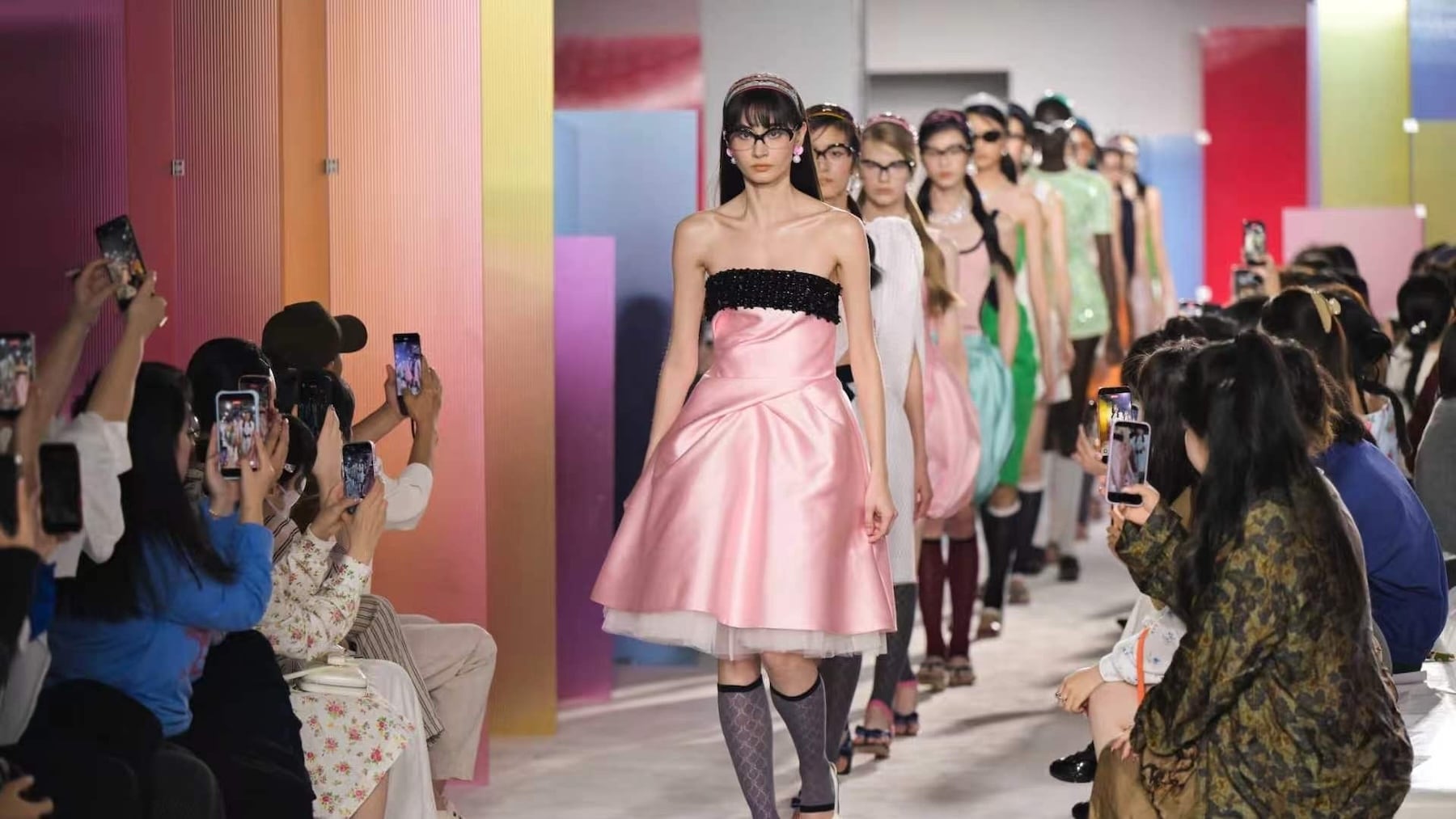
Shanghai is rapidly transforming into a global fashion hub, attracting retailers and designers from Brooklyn to its bustling streets. This shift is fueled by a burgeoning demand for independent stores that offer a more personalized, human-centric experience in an era dominated by digital transactions. Shanghai's fashion scene has long been distinguished by its unique, contemporary aesthetic, which has become a hallmark of Shanghai Fashion Week.
Imran Amed, a prominent figure in the fashion industry, recently returned to Shanghai after an absence spanning over a decade. During his first visit since the pandemic, Amed observed a market that has undergone a profound transformation. This evolution is marked by a shift from status-driven spending to discreet wealth accumulation, a transition from megabrands to locally produced labels, and a pivot from a narrow focus on fashion to a broader emphasis on lifestyle.
Amed's inquiry is clear: can Western fashion brands keep pace with this evolving landscape? The answer seems to lie in Shanghai's ability to blend tradition with modernity, creating a fashion ecosystem that balances heritage with innovation. As the city continues to evolve, it presents both challenges and opportunities for global fashion brands seeking to establish a foothold in this dynamic market.
Written by urgent.news from Business of Fashion's reporting — not their text. Machine-written — may contain errors; check the original before relying on it.