GSMA warns of growing risks to mobile networks from extreme weather
Mobile comms body wants a joined-up approach from governments and regulators to mitigate downtime
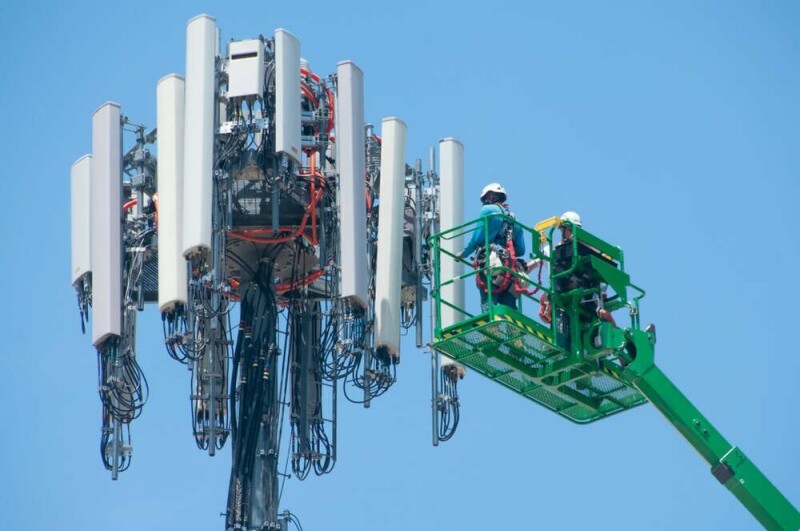
The GSMA is urging governments and regulators to collaborate with mobile network operators in order to safeguard networks from the escalating risks posed by extreme weather events. According to the global body representing the mobile industry, severe storms and floods currently cost operators $1.7 billion annually in repairs for cell radio sites and could nearly double to over $3 billion by 2050 due to projected climate conditions.
The GSMA's six-part research series, titled "Futureproofing Connectivity: Climate Risk and Resilience in Telecommunications," along with its Policy Principles for Mobile Network Resilience, outlines the findings. The report highlights weather-related risks impacting telecoms networks, such as damage to towers, masts, rooftop sites from wind, storms, and lightning, and flooding that can inundate ground-level equipment.
High temperatures can cause radio equipment to overheat, while heavy rain can weaken wireless signals. Coastal infrastructure is particularly vulnerable to storm surges. The electricity supply is identified as the most significant vulnerability, as outages can render the network inoperable for hours to days, depending on the site and backup power availability.
The GSMA estimates that severe storms cost $2.37 billion annually, with 75% of damage attributed to storms. The report emphasizes the need for a holistic approach to resilience, noting that power network disruptions can also affect telecoms infrastructure. Operators face challenges in assessing climate-related risks due to internal barriers, such as limited information sharing between departments, and external factors like differing regulatory frameworks focused on service continuity versus climate impact, financial exposure, and investor reporting.
The GSMA provides recommendations for operators and policymakers, urging operators to incorporate resilience in design, conduct assessments, and collaborate with the wider ecosystem, while policymakers are advised to develop resilience frameworks through consultation with operators, coordination with electricity and fuel providers and emergency services.
GSMA Foundation president and chief regulatory officer John Giusti stresses the critical role of mobile connectivity in emergency situations, stating that "Mobile connectivity is essential infrastructure," and calls for a coordinated effort among operators, governments, and the broader ecosystem to build resilience against the increasing costs and frequency of extreme weather events.
Written by urgent.news from The Register Science's reporting — not their text. Machine-written — may contain errors; check the original before relying on it.
This story
This is one outlet's version. Read the fullest account.