GES calls for changing rooms in schools to support menstrual hygiene
The Ghana Education Service (GES) has called on stakeholders to support the provision of washrooms with changing rooms in schools to enable female students to manage their menstrual hygiene needs with dignity. The post GES calls for changing rooms in schools to support menstrual hygiene appeared first on Ghana Business News .
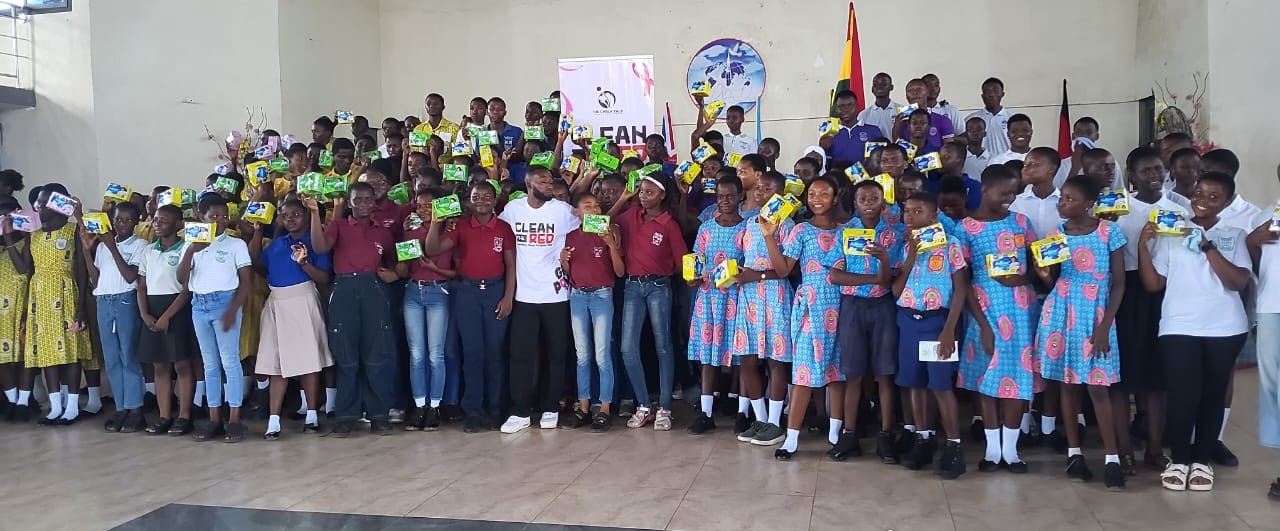
The Ghana Education Service (GES) has urged stakeholders to collaborate in establishing washrooms equipped with changing facilities in educational institutions. This proposal aims to empower female students to manage their menstrual hygiene needs responsibly while in school. Madam Valeria Vuley, the Girl-Child Coordinator at the Tema Metropolitan Directorate of the GES, highlighted that such amenities would facilitate girls in changing garments discreetly when experiencing menstrual leakage within the school premises.
Vuley expressed concern over the inadequate availability of sanitary pads and suitable facilities, which continue to adversely impact girls' school attendance, especially during their menstrual cycles. She emphasized the situation's worrisome nature, with an estimated one-third of girls missing school due to menstruation. Vuley urged stakeholders, including non-governmental organizations, traditional authorities, and philanthropists, to provide the necessary facilities and menstrual hygiene products.
This appeal was made during an engagement event organized by the Chalk Talk Foundation Africa through its annual 'Clean the Red' campaign in Tema New Town, which also involved distributing sanitary pads to support girls' menstrual hygiene needs. Mr Richard Kwabena Nsarkoh, the Founder of the Chalk Talk Foundation Africa, explained that the campaign endeavors to educate and empower girls within the Tema Manhean area.
Nsarkoh noted that the initiative stems from the challenges faced by girls, particularly limited opportunities and low self-confidence stemming from societal barriers. The foundation seeks to instill confidence in girls, enabling them to recognize their potential and achieve their dreams. Nsarkoh emphasized that every girl deserves access to menstrual health education, dignity, encouragement, and equal opportunities to succeed.
He appealed to the government, the Ministry of Gender, women's empowerment agencies, sanitary pad manufacturers, advocates, and individuals to provide financial, logistical, and other forms of support to organizations conducting menstrual health programs. Nsarkoh stressed that strategic partnerships were crucial for the foundation to expand its activities and reach more communities.
Written by urgent.news from Ghana Business News's reporting — not their text. Machine-written — may contain errors; check the original before relying on it.