Financing gaps threaten growth of Ghana’s electric two-wheeler industry – GCCE
The Ghana Chamber of Clean Energy (GCCE) has identified seven major financing constraints affecting businesses in Ghana's electric two-wheeler industry, warning that the challenges could limit the sector's growth. The concerns were outlined at a stakeholder consultative workshop organised by GCCE in partnership with the William Davidson Institute (WDI) at the University of Michigan in Accra on…
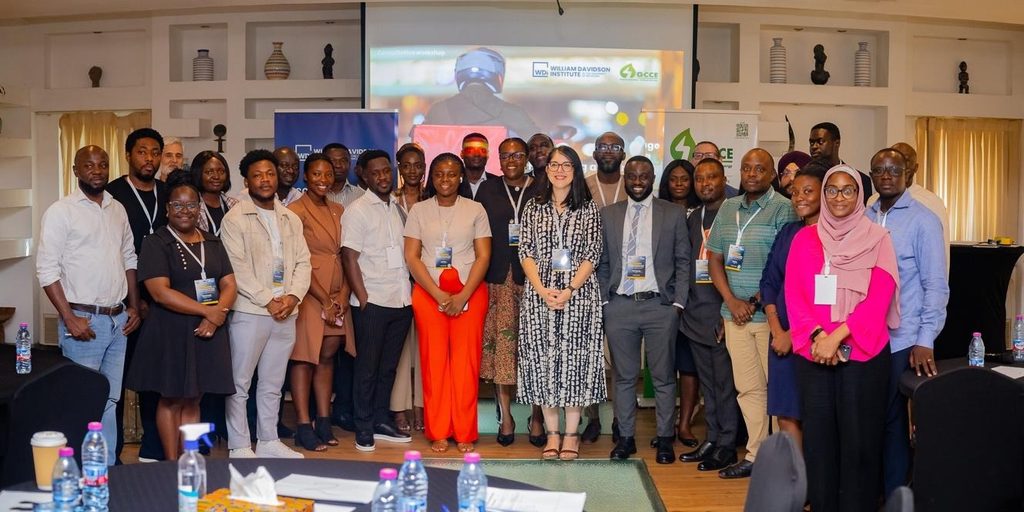
The Ghana Chamber of Clean Energy (GCCE) has highlighted seven key financing hurdles impeding the expansion of Ghana's electric two-wheeler sector, warning these obstacles could impede the industry's growth. These concerns emerged from a recent stakeholder workshop organized by GCCE and the William Davidson Institute (WDI) in Accra, which gathered representatives from various industry sectors, including manufacturers, assemblers, retailers, and financial institutions.
The workshop aimed to identify barriers to financing and devise strategies to enhance access to capital. The research team associated with GCCE and WDI presented seven preliminary findings regarding the financing gaps. These include the partial implementation of announced import duty waivers for electric two-wheeler businesses, difficulties transitioning from grant funding to future investments, reliance on personal assets for rider financing, and a shortage of accessible, affordable local-currency loans that early-stage companies struggle to secure.
The study also pointed out a discrepancy between the asset-light business models favored by equity investors and the financial requirements of electric two-wheeler firms. A lack of information and expectations between businesses and capital providers was another identified constraint.
GCCE's Programmes and Outreach Manager, Emmanuella Biney, emphasized that overcoming these challenges would require more than merely increasing funding. She stressed the importance of implementing suitable financing structures, fostering stronger collaboration among institutions, and creating a supportive policy environment to bolster investor confidence and facilitate greater access to capital.
Biney noted that addressing these issues demands a coordinated effort beyond a single institution, requiring joint action from government, financial institutions, and industry players.
During the workshop, participants divided into groups to analyze the seven preliminary findings, pinpoint additional barriers, and suggest potential remedies. The conversations centered on enhancing collaboration between government bodies, financial institutions, electric two-wheeler businesses, and other stakeholders to boost financing opportunities and foster the sector's expansion.
The insights and recommendations from this workshop will be incorporated into a joint public report by GCCE and WDI, which is intended to guide the chamber's dialogue with government entities, financial institutions, and industry stakeholders on policy and financing measures to tackle the challenges identified.
Electric two-wheelers are increasingly viewed as a component of Ghana's shift towards cleaner transportation, offering potential advantages in emissions reduction and job creation. However, the financing challenges identified in the study may hinder businesses' ability to grow and reach a broader customer base.
Written by urgent.news from Joy Business's reporting — not their text. Machine-written — may contain errors; check the original before relying on it.