Fake ‘students’ at Indonesia police rally raise questions over efforts to counter dissent
A rally organised by Jakarta police to promote national unity has instead raised questions about whether the Indonesian government is using public events to blunt dissent, with questions raised over the identities of some participants after one admitted in a television interview that he had been paid to attend while posing as a university student. The controversy has fuelled criticism of what…
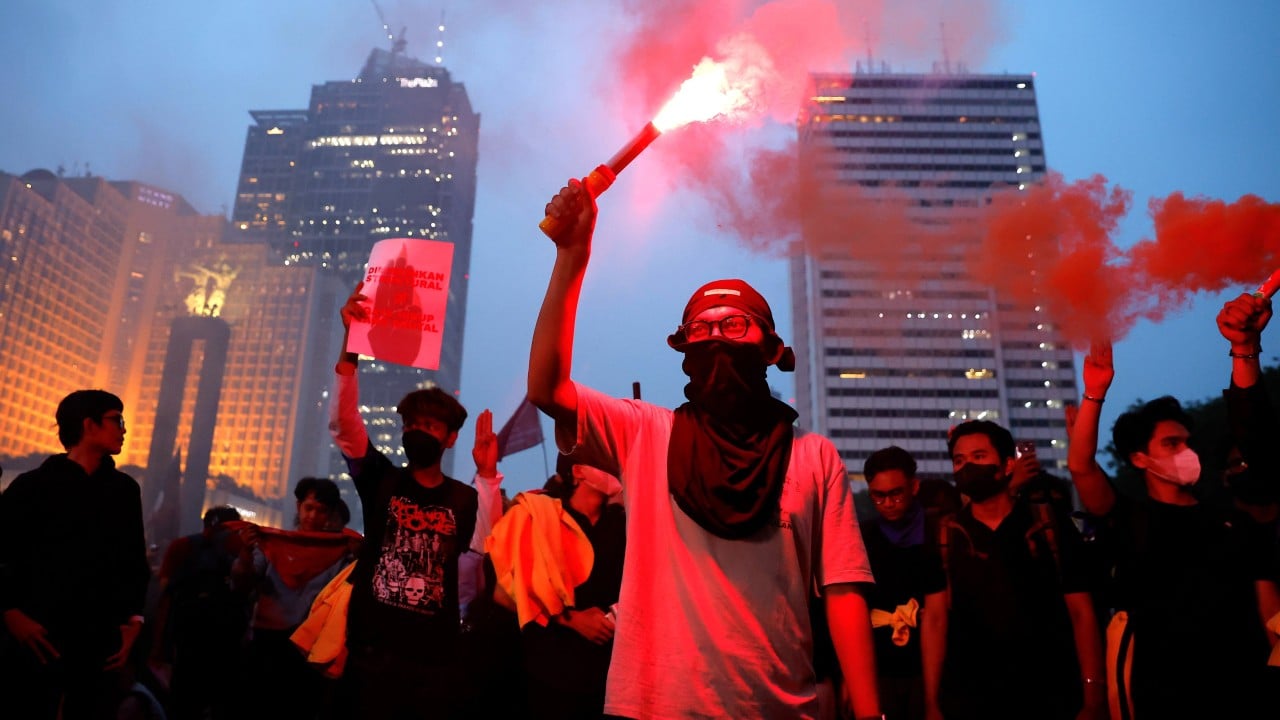
A police rally aimed at fostering national unity in Jakarta sparked questions about whether the Indonesian government was using public events to quell dissent. This controversy emerged after a participant admitted to being paid to attend the event while posing as a university student. The event, which coincided with National Youth Pledge Day, saw thousands of university students and civil society activists protest against issues like the regional haze crisis and rising living costs.
The following day, the Jakarta police held an event at the same location with the theme "Patriotic, Resilient and Empathetic Youth for Indonesia," which included military and police personnel, university students, and celebrities. One attendee, Bayu Setiadi, struggled to answer questions about his studies and later admitted he was not enrolled at the university he claimed to be from; he had been paid by a local community group to participate.
This revelation raised concerns about who recruited and paid the participants and supplied the university insignia. The Jakarta Metropolitan Police confirmed they were investigating those suspected of posing as students and apologized for the incident, stating they would use the feedback to improve their services. While Bayu acknowledged receiving payment, there is no evidence directly linking the government to the recruitment of people posing as students.
Political analysts argue that the event was part of a broader strategy by the government to shape public discourse by providing a counter-narrative to student protests. Disinformation experts noted that such events aimed at neutralizing criticism have become common under President Prabowo Subianto's administration. Celebrities, including Raffi Ahmad, a special envoy for youth and the creative economy, were present at the rally, leading to calls for boycotts of events run by his media company.
The incident highlights the increasing use of information campaigns and influence operations to manage public dissent and emphasize government accomplishments.
Written by urgent.news from South China Morning Post's reporting — not their text. Machine-written — may contain errors; check the original before relying on it.