EU issues guidelines to strengthen Europe's emergency preparedness
The European Commission is intensifying efforts to strengthen preparedness across the EU, citing the "increasingly frequent and complex crises" in Europe. Commissioner for Preparedness and Crisis Management, Hadja Lahbib, unveiled new guidelines on Tuesday to help countries, people, and neighbourhoods prepare for emergencies. "Every European should know what to do, how to protect their family,…
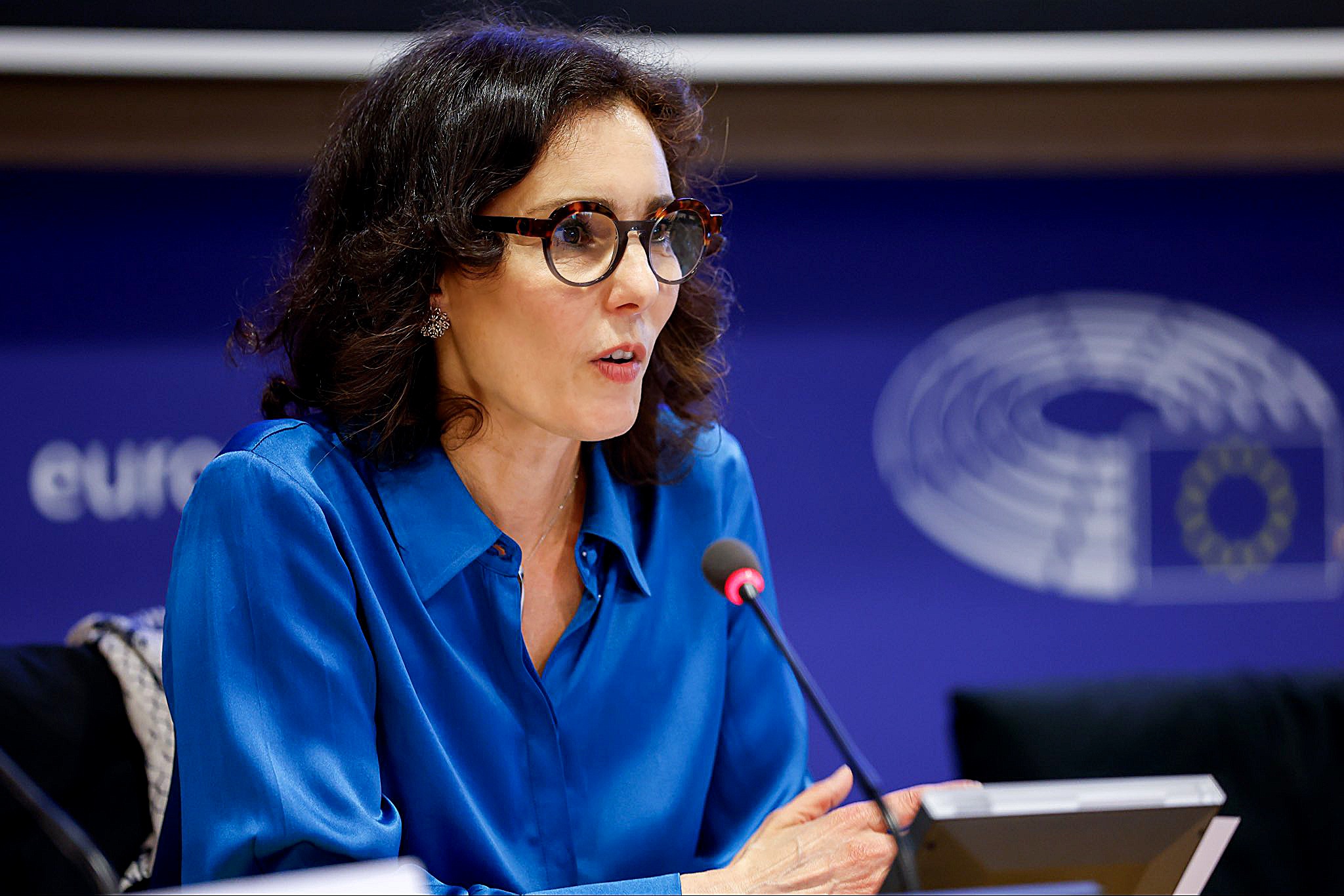
The European Commission is intensifying efforts to enhance emergency preparedness across the European Union, addressing the growing frequency and complexity of crises in the region. Commissioner Hadja Lahbib unveiled new guidelines on Tuesday to assist countries, individuals, and communities in preparing for emergencies. Lahbib emphasized that every European should understand how to protect their family and support others during emergencies, stating, "Preparedness starts in our homes, in our schools, in our communities."
The guidelines cover four key areas. First, 72-hour self-sufficiency advises people to stock essential supplies to sustain themselves for three days while public assistance is mobilized. Second, preparedness education focuses on integrating contingency planning into early childhood and primary education curricula, along with providing training for educators.
Third, disability-inclusive preparedness highlights the needs of individuals with disabilities, encouraging their participation in planning efforts. Lastly, the framework emphasizes communicating risks and threats to ensure public awareness and readiness.
This comprehensive approach is anchored in the adopted recommendation on operational continuity and stress-testing, aimed at bolstering the resilience of national civil protection contact points. The European Commission further proposed an annual EU Preparedness Day, to be observed on October 23rd each year, beginning in 2027, to foster active participation in emergency planning initiatives.
Written by urgent.news from Daily Post Nigeria's reporting — not their text. Machine-written — may contain errors; check the original before relying on it.