Elections 2026: We’ve heard their manifestos, now it’s time for them to hear ours
What happens when communities stop waiting for political parties to save them and start issuing their own terms and conditions.
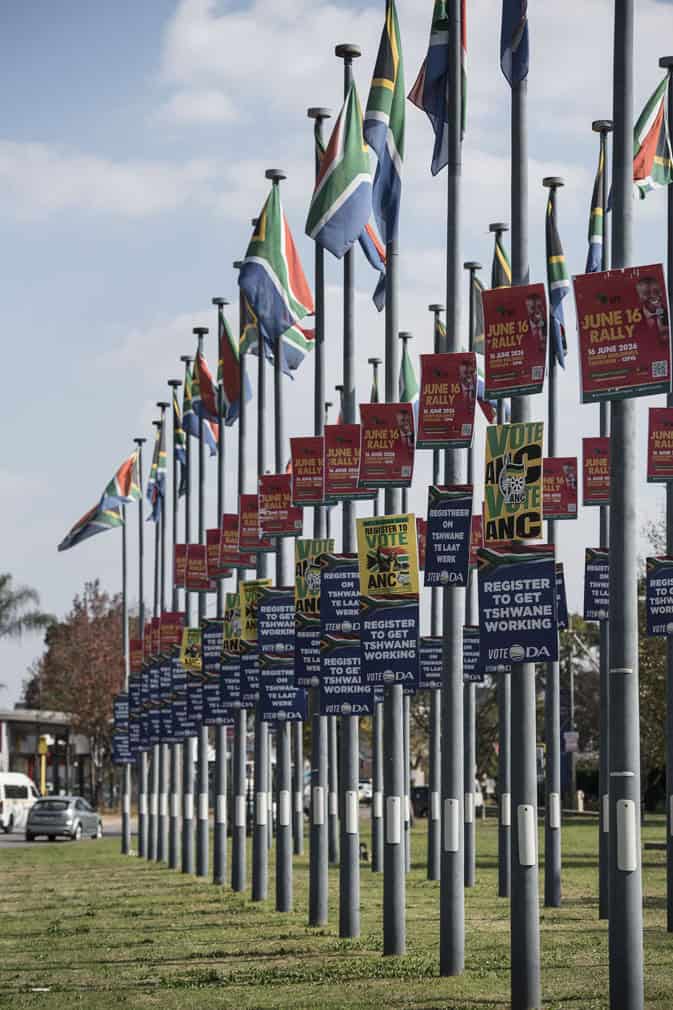
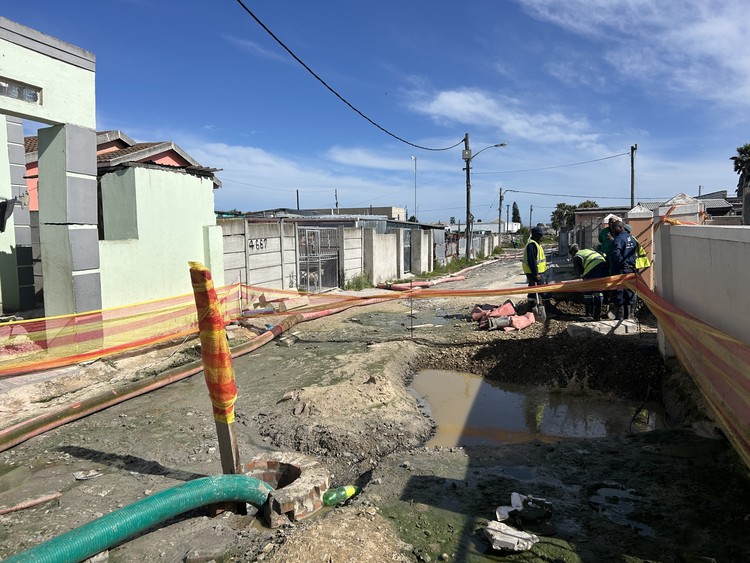
As South Africa prepares for local government elections, a sense of apathy has gripped the electorate. Voters cast their ballots, entrust the municipal offices, and anticipate a political instability where accountability is lacking and service delivery seems like a distant dream. However, a quiet revolution is emerging from within communities.
At the Futures of Democracy event at the Nelson Mandela Foundation, Noxolo Mfocwa, a representative from My Vote Counts, unveiled a novel approach to citizen engagement: communities crafting their own manifestos, known as reverse manifestos. With the support of organizations such as ACT Ubumbano, communities draft their own priority lists, challenging the traditional model where political parties bombard neighborhoods with promises and forget them by the next day.
Mfocwa explained that these community manifestos differ significantly from those of political parties. Instead of politicians dictating priorities, residents determine their own terms and conditions. They demand accountability measures like the right to recall, transparent reporting timelines, and direct responsibility from local candidates.
During town hall meetings, residents present their manifestos to candidates, asserting, "Are you willing to commit? If you are, we are prepared to vote collectively because hundreds of us have signed onto this." This method harnesses self-interest as a tool for accountability. The discussion emphasized that politicians' children, reliant on public services, would have a vested interest in improving local schools and healthcare.
By tying block votes to community-driven manifestos, citizens compel politicians to prioritize tangible local needs rather than pursuing empty party agendas. Ultimately, the core message from the Futures of Democracy dialogues is clear: democracy cannot conclude with the act of voting. "Our main challenge over the past 80 years has been the misconception that once we've voted, everything will automatically function," Mfocwa noted.
"History has shown us that, in reality, the true test of democracy lies in continued participation."
Written by urgent.news from The Citizen's reporting — not their text. Machine-written — may contain errors; check the original before relying on it.