El Nino watch: the impacts around the world this week
An exceptionally strong El Nino threatens rice and coffee harvests to such an extent that the World Bank expects food prices to rise 18% next year.
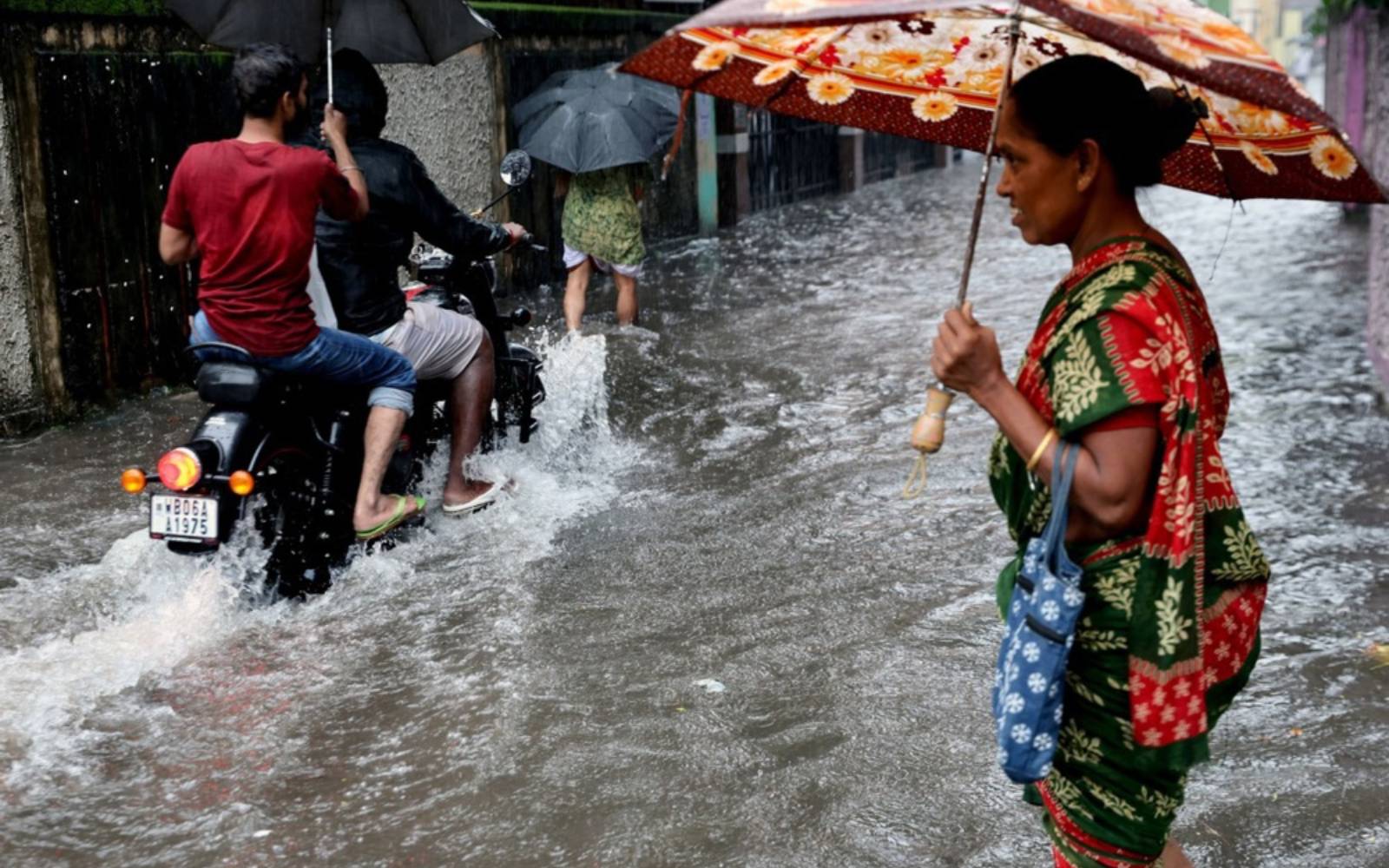
As a typhoon wreaked havoc along India's southeastern coastline, leaving at least three dead and prompting the evacuation of nearly 100,000, the global impact of an unusually powerful El Nino became increasingly apparent. This extraordinary weather phenomenon has already wreaked havoc across the planet, from crippling rice and coffee crops to claiming lives through forest fires and disease outbreaks. The World Bank anticipates a 18% increase in food prices next year as a result of El Nino's effects on global agriculture.
India's southeastern coast bore the brunt of the cyclone, with torrential rains and ferocious winds causing widespread flooding and forcing residents to take refuge in government shelters. Rajeshwari, a 65-year-old woman displaced by the storm, lamented the destruction to her home, saying, "Our homes get flooded, and we have to stay in the water."
In Bolivia, the drought exacerbated by El Nino has left 78,000 families in six of the country's nine regions struggling to survive, with more than 75,000 cattle lost. President Rodrigo Paz declared a state of emergency to mobilize resources to combat the ongoing crisis.
Peru has experienced the consequences of El Nino in the form of heightened temperatures and devastating forest fires, claiming the lives of at least 12 individuals. The extreme weather has also contributed to the spread of dengue fever across the region. Chile, on the other hand, has endured its rainiest October ever recorded, with Santiago enduring unprecedented precipitation.
The World Bank estimates that food prices will rise by 18% between 2025 and 2027 due to supply disruptions stemming from conflicts and the anticipated impacts of El Nino. Since June, the University of Chicago's Climate Impact Lab has documented 484,500 excess heat-related deaths worldwide, with an additional 373,000 projected to occur over the next six months.
Certain crops are uniquely vulnerable to the effects of El Nino. Rice in Asia, coffee and cocoa in Central America and Mexico, and sorghum and millet in East Africa are particularly at risk. These staple foods, which form the basis of diets in vulnerable countries, are crucial to global food security. Maximo Torero, chief economist at the UN's Food and Agriculture Organization (FAO), emphasized the significance of these crops during a recent briefing with AFP.
Written by urgent.news from Free Malaysia Today's reporting — not their text. Machine-written — may contain errors; check the original before relying on it.
Also reported by 1 other outlet
- El Nino watch: the impacts around the world this week freemalaysiatoday.com