Don't throw away your laptop's old SSDs — do this instead
Get some extra life out of your unused SSDs by converting them into external storage devices.
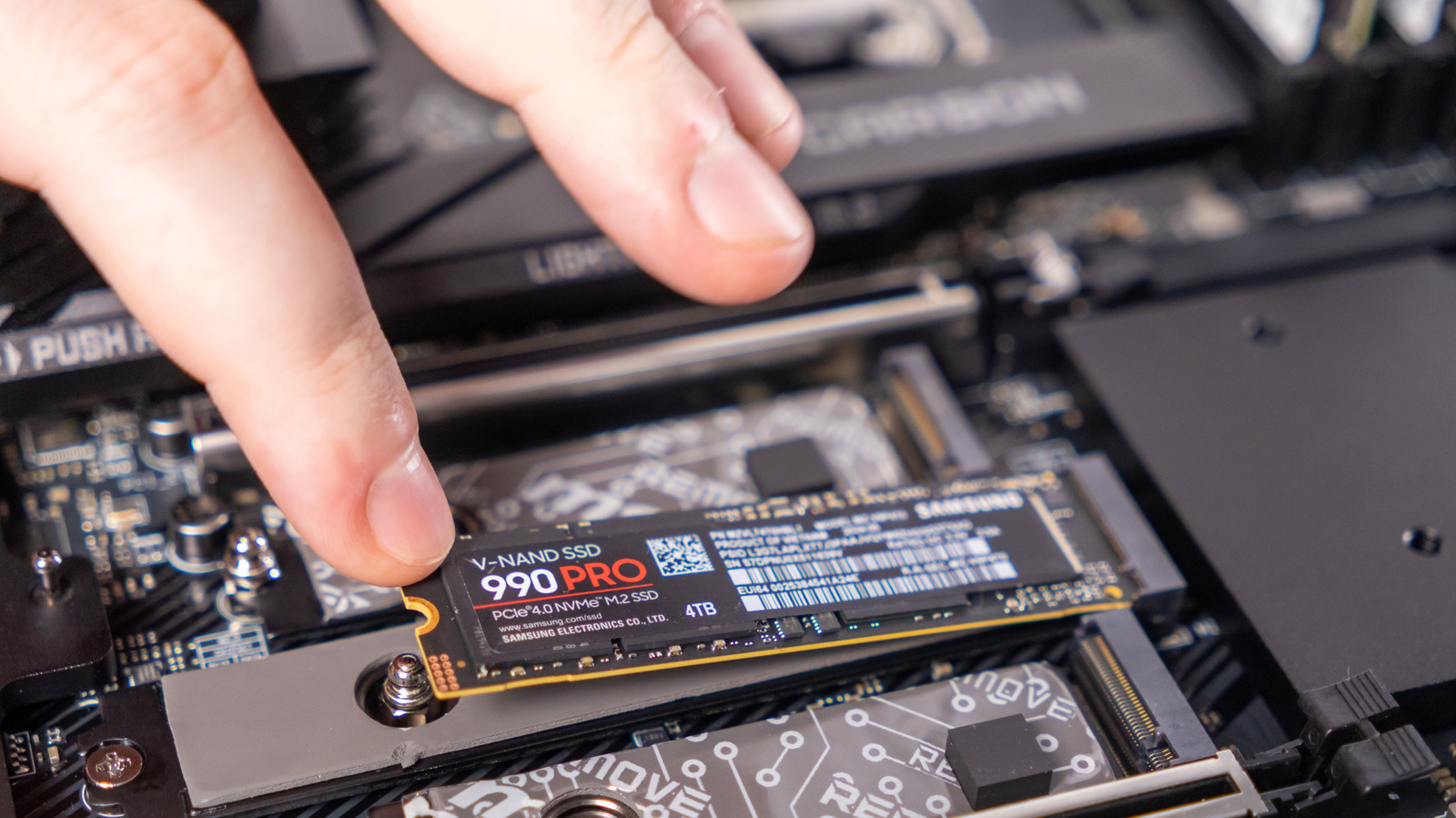
If you've recently upgraded your laptop with more storage or have an old SSD gathering dust, don't throw it away. Instead, repurpose it as an external storage device. The process is simple and can extend the life of your old drive while offering faster read and write speeds compared to traditional USB drives. However, before you start, ensure your SSD can be removed.
Some ultra-thin laptops like Apple's MacBooks solder the storage directly onto the logic board, making it impossible to extract. If it can be removed, you'll just need to pair it with an external shell.
There are affordable enclosures available on Amazon, but make sure to choose the right one that matches your SSD's form factor. You'll need either a 2.5-inch SATA or the faster, more compact M.2 NVMe. Also, check if your SSD contains any important files before setting it up. While you're inspecting it, verify its health using Disk Utility on macOS or Windows' Drive Management tool.
If the SSD is nearing the end of its life, it's best to use it for storing files you don't mind losing, such as bulky games. Once you've done all the necessary checks, format the SSD to erase all data, then install it in the enclose. Most SSD shells connect via USB-C, so simply plug it into any device, and it will function like a standard external storage drive. Now, you can store more files without worrying about running out of space on your main devices.
Written by urgent.news from Engadget's reporting — not their text. Machine-written — may contain errors; check the original before relying on it.
Also reported by 1 other outlet
- Don't throw away your old AirPods — do this instead engadget.com