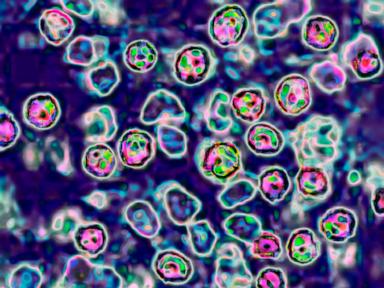
Differential effects of chronic hypertension and sex on vascular density along the septotemporal axis of the hippocampus in a rat model of VCID
Background: Chronic hypertension is a major modifiable risk factor for vascular contributions to cognitive impairment and dementia (VCID), yet vascular changes that precede cognitive dysfunction remain poorly understood. This is particularly relevant for the hippocampus, a deep brain structure critical to memory function, which differs along its septotemporal axis functionally and in its…
Background: Chronic hypertension is a significant risk factor for vascular-related cognitive impairment and dementia, but the underlying vascular changes that lead to cognitive dysfunction are not well-understood. This is especially important for the hippocampus, a deep brain structure crucial to memory function that exhibits functional and injury differences along its septotemporal axis.
The effects of hypertension and sex on hippocampal vascularization are still unclear and could play a role in the development or progression of vascular cognitive impairment (VCID).
Methods: This study utilized adult male and female Wistar and spontaneously hypertensive rats (SHR) at 5 months old, before the onset of memory impairments. Researchers quantified vascular density and morphometric parameters in both the dorsal and ventral hippocampus using high-resolution confocal microscopy and 3D vascular reconstruction.
Results: In SHR, hippocampal vascular density was found to be increased in the dorsal hippocampus of males and across both dorsal and ventral hippocampus in females compared to normotensive rats. Additionally, during hypertension, the diameter and length of the microvasculature shifted to be smaller and longer in males, but not in females.
Conclusions: The findings demonstrate that chronic hypertension increases hippocampal vascular density differently along the septotemporal axis of the hippocampus in middle-aged rats, potentially leading to increased vascular resistance and exacerbation of perfusion deficits or a higher likelihood of blood-brain barrier disruption. These factors may contribute to VCID.
Written by urgent.news from bioRxiv's reporting — not their text. Machine-written — may contain errors; check the original before relying on it.