Demonstrations generate ‘protest economy’, Supreme Court tells Delhi traders
The Bench expressed sympathy for the right to livelihood of the small traders, hawkers and push cart vendors, noting that their right competed with the right to expression of the protestors
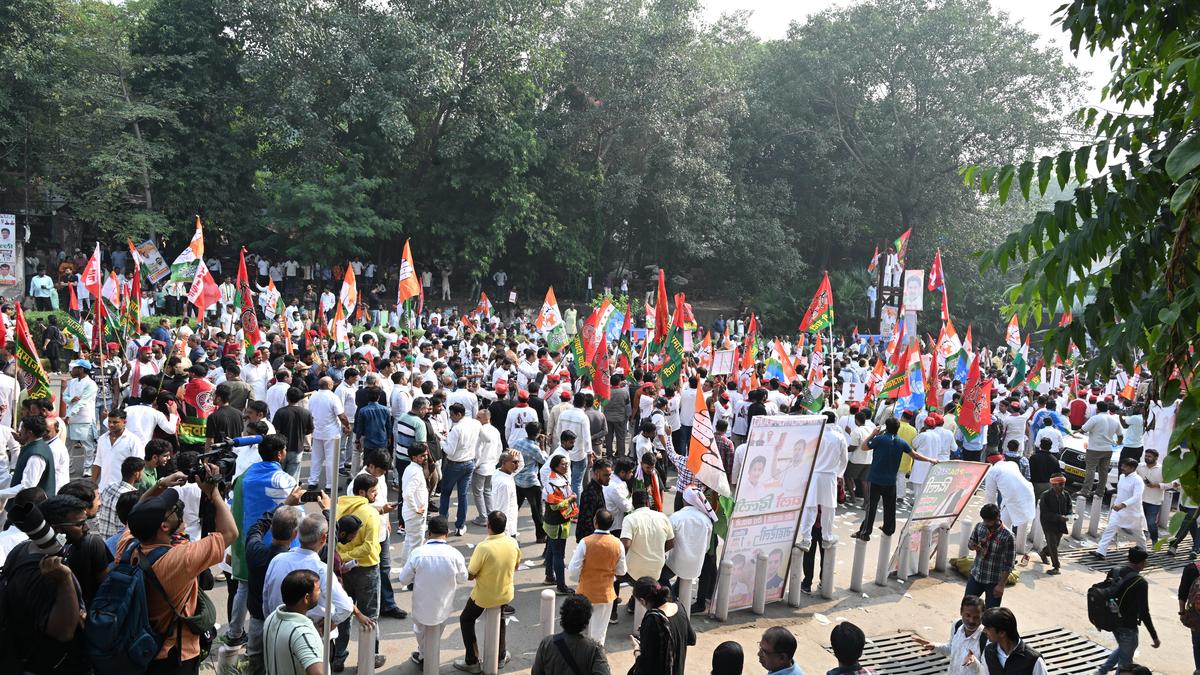
On November 3, 2026, the Supreme Court addressed a petition concerning the impact of protests on Delhi traders' livelihoods. Chief Justice Surya Kant emphasized the importance of balancing the right to protest with the right to trade. The court recognized the "protest economy" that benefits vendors and hawkers at demonstration sites, stating that both rights coexist.
Senior advocate Mukul Rohatgi argued for a two-month ban on protests during the festive season, citing significant business losses. The court sought input from protest organizers, who defended their actions and the presence of push cart vendors and small traders. The court acknowledged the existence of a protest economy, citing examples like food and water supplies.
The discussion also addressed the use of facial recognition technology by the Delhi Police, raising concerns about privacy rights and the potential for violence. The court requested further deliberation before making a decision.
Written by urgent.news from The Hindu's reporting — not their text. Machine-written — may contain errors; check the original before relying on it.
This story
This is one outlet's version. Read the fullest account.
- Respect for a woman’s dignity not just a matter of personal morality but constitutional obligation: Supreme Court dawn.com
- Supreme Court weighs if Colorado preschools must admit kids of same-sex couples thehill.com
- Supreme Court issues urgent alert over fake website that mimics its portal, targets users indianexpress.com