Dedah jumlah subsidi BUDI95, SARA dinikmati golongan pendapatan tinggi, gesa wakil rakyat
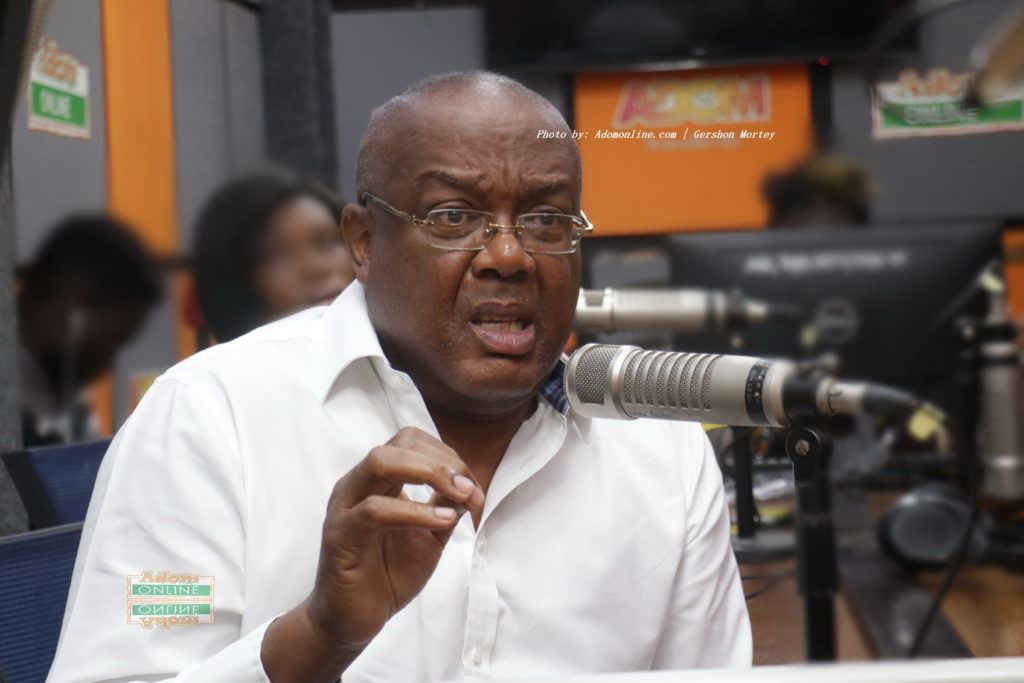
Suhaimi Nasir berkata, maklumat itu penting untuk nilai sama ada bantuan kerajaan benar-benar sampai kepada golongan memerlukan, atau turut manfaat golongan pendapatan tinggi.
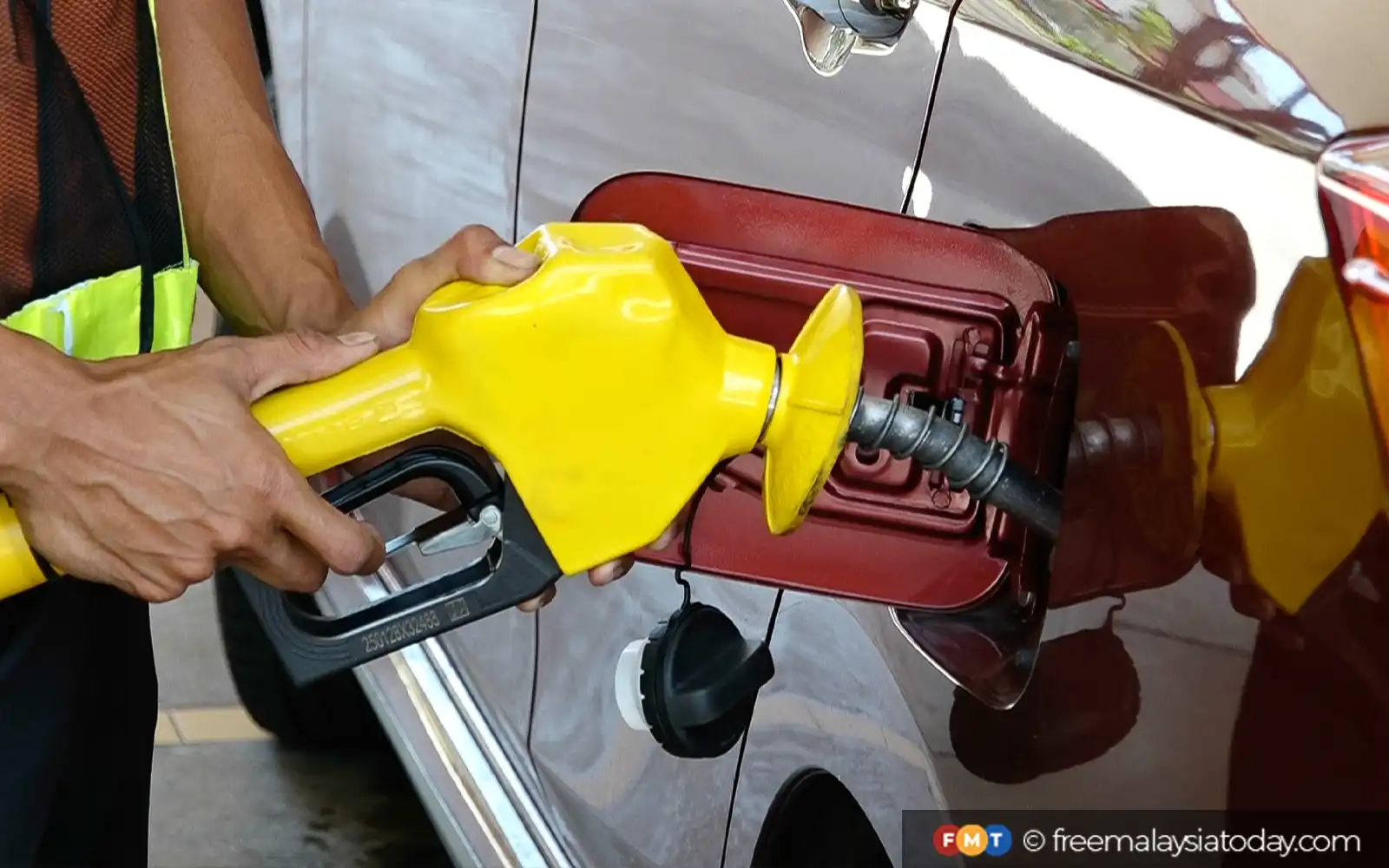
The main objective of subsidies like BUDI95 and SARA, as emphasized by Suhaimi Nasir from the BN-Libaran, is to ensure a more equitable distribution of aid, particularly to the B40 and M40 income groups. The Finance Ministry has been asked to disclose the actual figure for BUDI95 and the RM100 assistance, known as Sumbangan Asas Rahmah (SARA), enjoyed by high-income households to ensure the effectiveness of the government's essential subsidy program.
This information is crucial in determining whether the budget allocation for subsidies and assistance truly reaches the needy or benefits the high-income group excessively. Nasir pointed out that the budget allocation for subsidies, assistance, and incentives is projected to exceed RM80 billion by 2027, including RM40 billion for fuel subsidies, but questioned if the amount of aid is truly appropriate given the rising cost of living.
He also suggested that the government should pay attention to households not categorized as poor but still face financial pressure due to increased daily expenses. Nasir asked, "If high-income groups also receive subsidies at the same rate, why doesn't the government evaluate a means-tested mechanism to prioritize BUDI95 and SARA assistance for the truly needy?" during his presentation of the 2027 Finance Ministry Budget at the Dewan Rakyat.
He stressed that the high cost of living remains a major concern among the public even though the government has announced controlled inflation. Nasir pointed out that while controlled inflation doesn't necessarily mean prices are back to normal or citizens' purchasing power has increased. Regarding the development of Sabah, Nasir highlighted that the budget increase to RM18.7 billion in 2027, up from RM17.6 billion in 2026, needs to consider the real needs of the state, including water supply, electricity, roads, schools, healthcare, and rural infrastructure.
He believed that the federal government's allocation should factor in the state's geographical spread, population distribution, poverty rate, logistics costs, and infrastructure gaps, alongside commitments under the 1963 Malaysia Agreement (MA63), particularly in achieving a fair and balanced distribution formula. "Development in Sabah cannot rely solely on annual budget allocations; rather, it requires a long-term mechanism to ensure sustainable development and bridge the regional gap," Nasir concluded.
Written by urgent.news from Free Malaysia Today's reporting — not their text. Machine-written — may contain errors; check the original before relying on it.