Cyberattacks target European supermarkets: Hackers hijack smart freezers to spoil food supplies
Coordinated cyberattacks on internet-connected supermarket refrigeration systems across Europe and the US have spoiled massive amounts of food, exposing critical supply chain vulnerabilities in everyday operational technology.
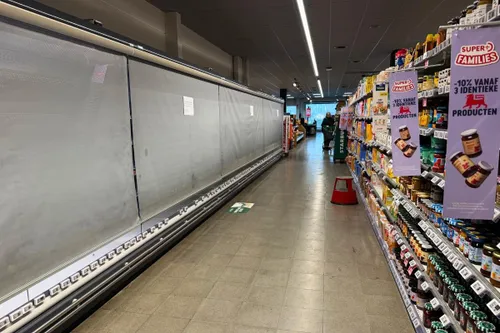
Artificial intelligence integration bolsters industry, but connected technology presents downsides. Hackers across Europe targeted smart fridges and industrial freezers of supermarkets, tampering with thermostat settings to overheat storage units and spoil large quantities of food. The European Union condemned the sabotage, calling it an intentional attempt to disrupt food supply chains and erode consumer confidence.
The wave of disruptions impacted grocery stores in Belgium, Sweden, Luxembourg, Finland, Ireland, and Estonia. Belgian retailers Carrefour, Intermarché, and Ikea were among the victims; in Sweden, Coop and ICA experienced cooling system compromises; Delhaize faced issues in Luxembourg; Kesko detected irregularities in Finland; and SuperValu reported compromised storage units in Ireland.
The coordinated incidents echo an alarming breach that occurred three weeks earlier in France, forcing grocery chains to discard tons of spoiled goods after commercial chillers overheated. Authorities attributed this disruption to hackers hijacking network-exposed cooling appliances managed via vulnerable remote-control software.
A similar vulnerability emerged in the United States in early August, when refrigeration failures crippled grocery commissaries at military installations, prompting an active Pentagon investigation. This threat differs from conventional cyber warfare data theft and extortion schemes. The root cause was simpler: everyday operational appliances connected to the public internet for remote convenience, revealing a dangerous new physical vulnerability across the infrastructure of the rapidly modernizing digital world.
Written by urgent.news from IOL's reporting — not their text. Machine-written — may contain errors; check the original before relying on it.
This story
This is one outlet's version. Read the fullest account.