Chinese University of Hong Kong to offer free AI dementia screening to 2,700 seniors
The Chinese University of Hong Kong (CUHK) will launch its first free, district-based dementia screening programme next year, using artificial intelligence (AI)-powered retinal imaging to detect early signs of cognitive decline in 2,700 older residents within two years. The programme will be implemented in Wong Tai Sin, which has one of the highest proportion of elderly residents among Hong…
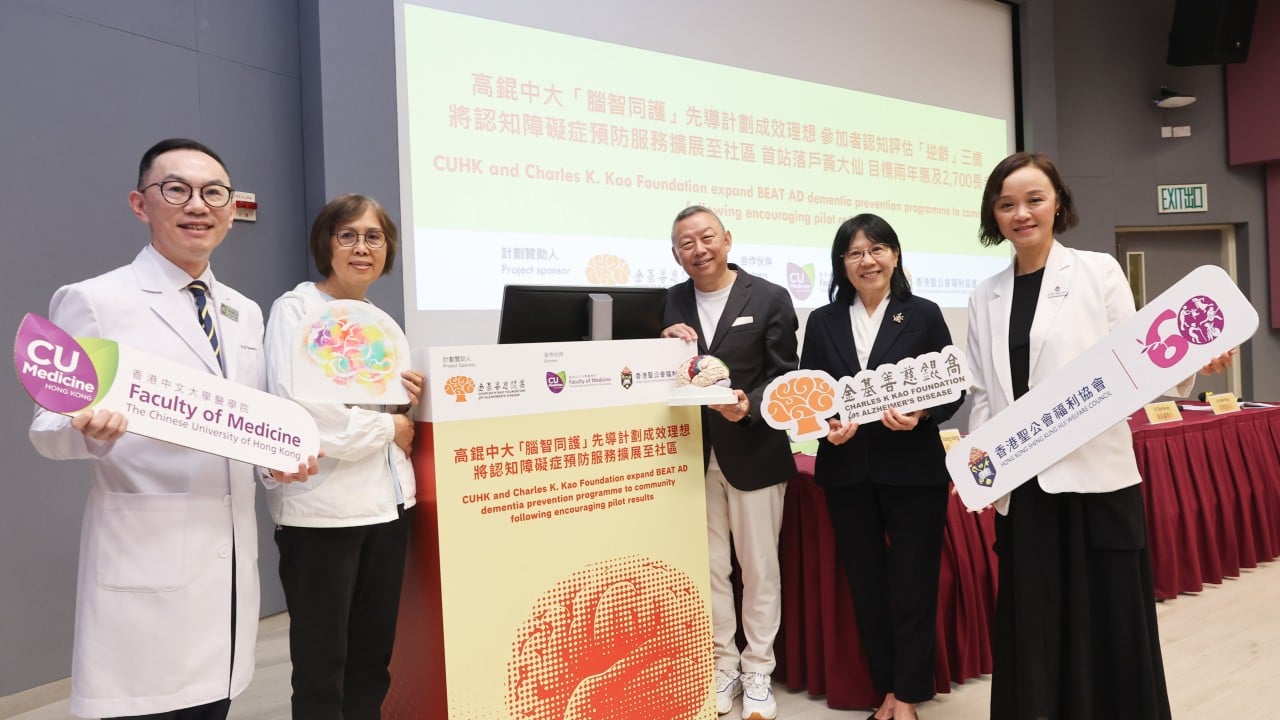
The Chinese University of Hong Kong (CUHK) will launch a free, district-based dementia screening program next year, utilizing AI-powered retinal imaging to identify early signs of cognitive decline in 2,700 older residents over the next two years. The program will first target Wong Tai Sin, a district known for its high proportion of elderly residents.
Participants at risk will receive personalized advice from volunteers to help delay the onset of dementia. Professor Vincent Mok, co-director of the CUHK screening program, cautioned that with an aging population in Hong Kong, the number of dementia patients is expected to rise from 180,000 in 2026 to 240,000 by 2036. He noted that about 45% of these cases could be prevented by addressing 14 risk factors, including physical inactivity and social isolation.
Mok emphasized that intervention should begin 10 to 15 years before symptoms appear to prevent amyloid proteins from accumulating in the brain. The free screening, named BEAT AD@WTS and funded by the Charles K Kao Foundation, will begin in January 2027. Qualified participants must be residents of Wong Tai Sin aged 60 to 79, without a previous dementia diagnosis or neurological conditions.
Screening will involve a brain health evaluation, AI retinal imaging, and a cognitive assessment, with positive cases being paired with a trained volunteer for a year to help develop brain-healthy habits. If successful, the program hopes to expand to other districts in the future.
Written by urgent.news from South China Morning Post - Hong Kong's reporting — not their text. Machine-written — may contain errors; check the original before relying on it.