Chinese survey ship loitering near undersea cable ignores Philippine demands to withdraw — evasive action point to growing PRC threats to data lines in the Pacific
A Chinese research vessel ignored the Philippine coast guard's attempts to move it as it loitered over an undersea cable near its coast as the PRC continues to use civilian vessels as "gray-zone" warfare against potential future adversaries in the region.
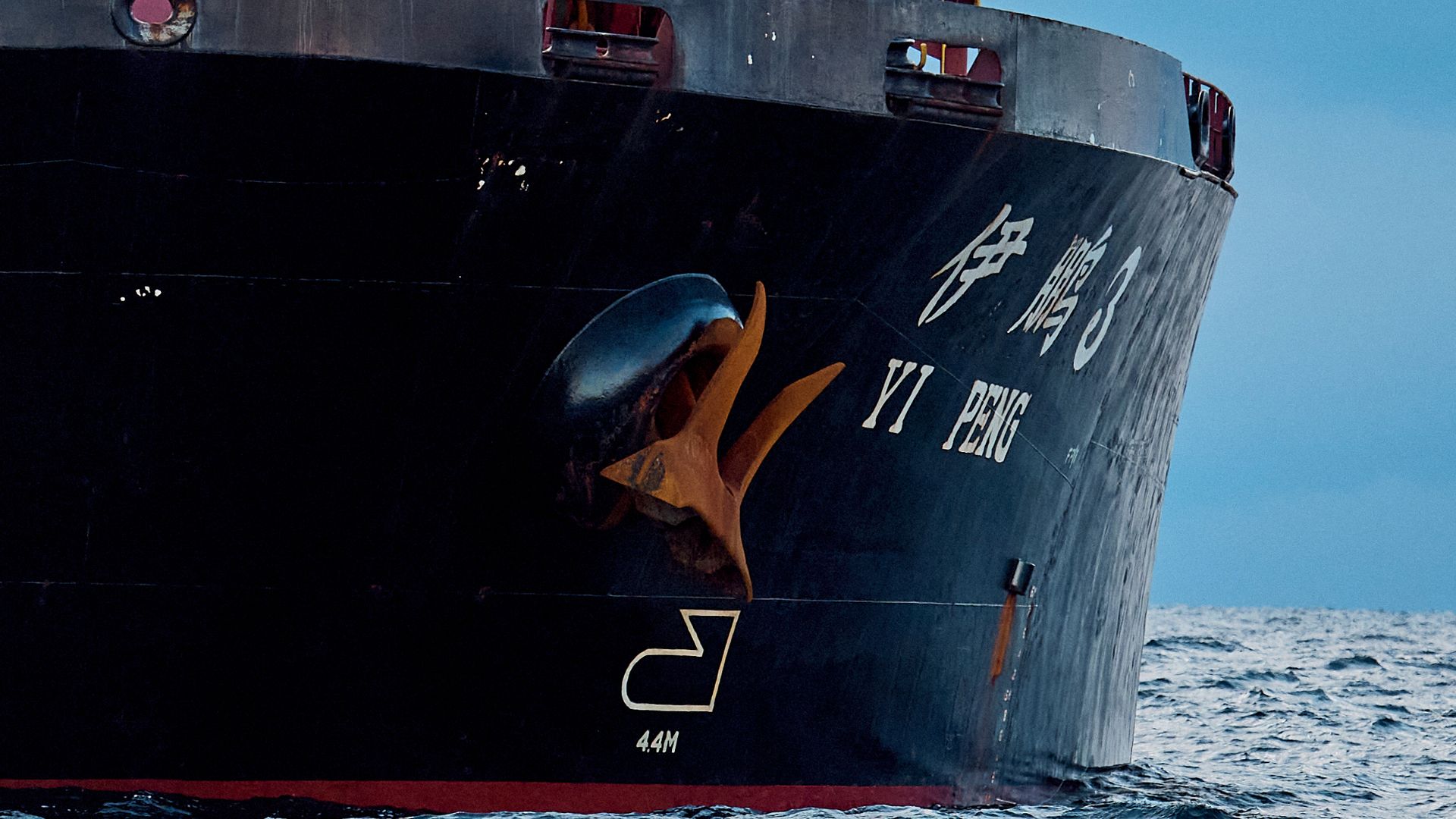
A Chinese survey ship has been lingering near undersea cables, disregarding Philippine demands to depart, raising concerns about potential Chinese threats to data lines in the Pacific. According to Nikkei Asia, the People's Republic of China is actively mapping the seafloor for vulnerabilities and employing civilian research vessels to accomplish this task.
In September, the Philippine Coast Guard encountered a Chinese research vessel close to an undersea cable. The vessel responded by ignoring radio contact, using a false ID, and maneuvering to evade capture. The Philippines responded by deploying its largest vessel, which was spotted 37 nautical miles away from Batanes province, a region officially under Philippine jurisdiction but claimed by China. A Chinese coastguard ship intervened, and China later complained of harassment, as reported by the South China Morning Post.
Although there have been no confirmed reports of Chinese attacks on undersea cables, a U.S.-based think tank found that Chinese research ships were spending more time loitering near cables than any other nation. The Center for Strategic and International Studies reported that their actions were disproportionate. U.S. officials are certain of China's capability, as a 2025 congressional report highlighted that China is developing techniques to cut cables, including electric cutting devices capable of severing armored cables as deep as 13,000ft underwater.
Experts warn that subsea cables are essential digital lifelines, and the U.S. and its allies must protect them in peacetime to maintain connectivity during crises. China has maritime disputes with several countries in the region, including Taiwan, the Philippines, Vietnam, Malaysia, Brunei, and Japan. These disputes, along with tensions with authoritarian nations like Russia, Iran, and Russia, pose a growing threat to undersea infrastructure in the Pacific.
Written by urgent.news from Tom's Hardware's reporting — not their text. Machine-written — may contain errors; check the original before relying on it.