Brutal NIMBY Regulations Are Crushing the Kind of Solar Farms Researchers Say Are a Godsend for Local Ecology
"We're seeing a complete slowdown." The post Brutal NIMBY Regulations Are Crushing the Kind of Solar Farms Researchers Say Are a Godsend for Local Ecology appeared first on Futurism .
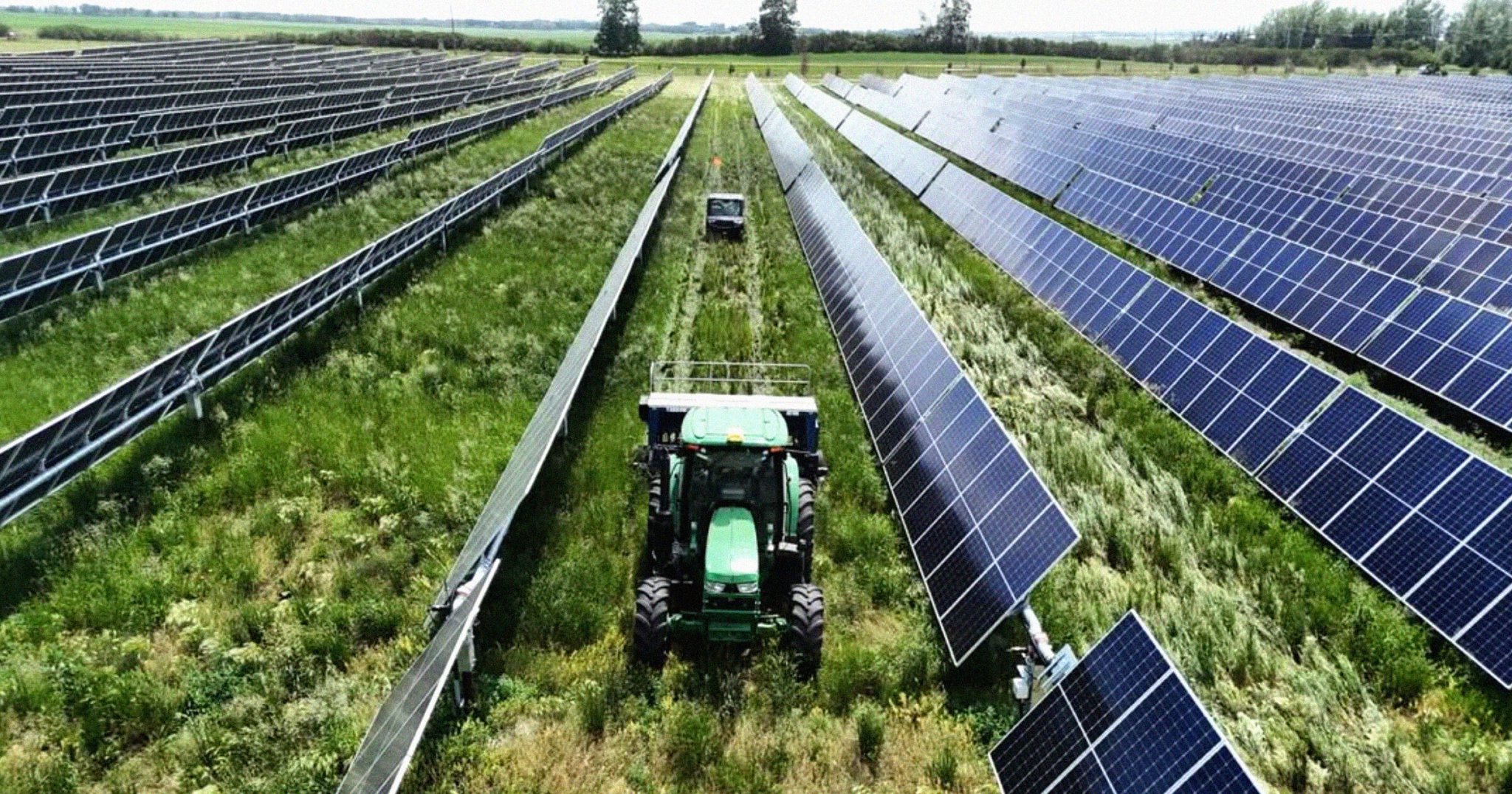
Solar energy is experiencing remarkable growth, with photovoltaics expected to supply up to 10 percent of the world's power by the end of the year. As the cost of solar-generated electricity continues to decline, numerous studies demonstrate that solar farms are beneficial to the environment. However, restrictive regulations are causing problems for solar development in certain regions.
Mark Owerko, a resident of southern Alberta, Canada, owns and operates a solar farm on a 480-acre property. The location was ideal for generating solar power, and the farm eventually expanded to include a bee sanctuary and sheep grazing. According to a study published in the journal Environmental Research Letters, allowing sheep to graze around solar installations improves bee and beneficial beetle populations by up to 38 percent, due to an 83 percent increase in honey bee populations compared to traditional mowed grass areas.
Leana Zoller, the lead author of the study, highlighted the positive impact of sheep grazing and insect habitat on solar development. Despite the apparent win-win situation for Owerko and Alberta, the province's regulatory environment poses significant challenges. The Alberta government placed a seven-month moratorium on new wind and solar projects, driving up power prices and deterring investment.
Jorden Dy, director of the Business Renewables Centre of Canada, noted that other regions of the country are experiencing rapid growth in renewable energy adoption. The slowdown in Alberta's renewable energy sector highlights a troubling trend among various governments across North America, where strict and short-term regulations hinder the development of environmentally beneficial solar projects.
Written by urgent.news from Futurism's reporting — not their text. Machine-written — may contain errors; check the original before relying on it.