Black Sea oil spill kills 13,500 birds as court-ordered damages reach $1.5 billion
A total of 13,500 birds died on the coast of Russia’s Krasnodar Territory after the wreck of two Volgoneft tankers in December 2024, according to environmental lawyer Natalya Lisitsyna, who cited this data from the case file of the Commercial Court of Krasnodar Territory. The court ordered the owners and the charterer of the tankers to pay 34.25 billion rubles ($423 million) over harm caused to…
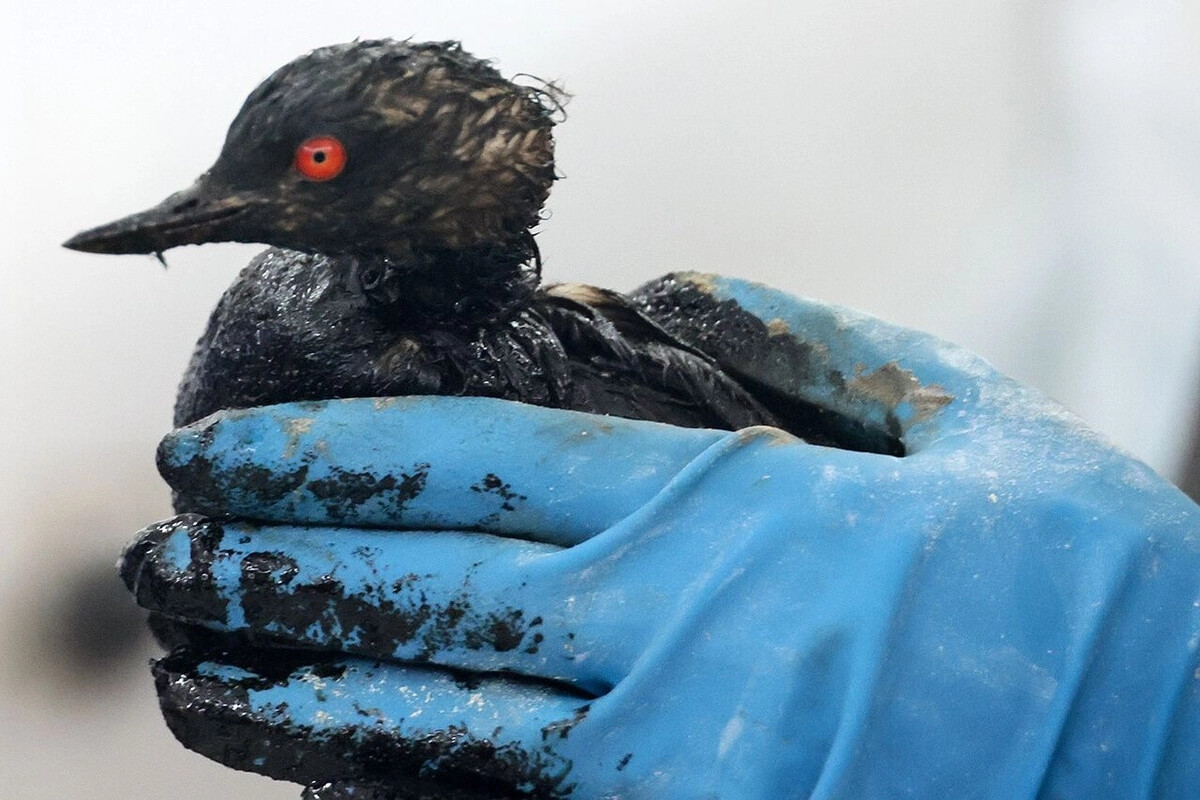
A total of 13,500 birds perished along the coast of Russia's Krasnodar Territory following the collision of two Volgoneft tankers in December 2024, as revealed by environmental lawyer Natalya Lisitsyna. The Commercial Court of Krasnodar Territory mandated the owners and charterer of the tankers to compensate for the wildlife and habitat damage caused by the incident, totaling 34.25 billion rubles ($423 million).
When considering two prior rulings, the cumulative court-ordered damages for the manmade disaster have soared to 119.2 billion rubles ($1.47 billion).
The great crested grebes suffered the most catastrophic losses, with an estimated 10,300 of them dying, constituting over three-quarters of the recorded fatalities. Additionally, 1,022 birds from nine endangered species met their untimely end. The court-ordered damages primarily target the habitat of these endangered species, with 34.12 billion rubles ($421 million) representing approximately 99.7% of the overall total.
Direct damages from the bird deaths amounted to around 93.4 million rubles ($1.15 million), including harm to game resources and the soils of the Solyonoye Lake nature reserve.
Despite the court's ruling, the tanker owners have been struggling to meet their financial obligations. Volgatransneft, which owned the tanker Volgoneft-239, was responsible for 35.48 billion rubles ($438 million) in damages. Kamatransoil and Kama Shipping, linked to the tanker Volgoneft-212, were ordered to pay an additional 49.46 billion rubles ($611 million).
Collecting this money, however, appears to be a daunting task, as the responsible companies possess minimal assets. The courts have initiated bankruptcy proceedings against two of the defendants, and bailiffs have repeatedly terminated enforcement actions due to the debtors' lack of property.
The tankers involved in the disaster, Volgoneft-212 and Volgoneft-239, were carrying fuel oil owned by Rosneft, a company that was also not named as a defendant in the main lawsuits for environmental damage compensation. Both tankers had exceeded their permitted service life, and one of them had its documents suspended. On December 15, 2024, the tankers collided during a storm in the Kerch Strait, resulting in approximately 2,400 metric tons of fuel oil entering the sea. This oil pollution contaminated the coasts of Krasnodar Territory and annexed Crimea.
Despite the cleanup efforts, satellite imagery from September 2026 still revealed oil slicks near the sunken tankers, casting doubt on the effectiveness of Russian authorities' claims that all of the fuel oil had been pumped out. The tragic consequences of this incident continue to reverberate two years after the tanker accident.
Written by urgent.news from The Insider's reporting — not their text. Machine-written — may contain errors; check the original before relying on it.