Bangladesh garment workers stage fourth day of wage protests
Garment workers in Bangladesh staged a fourth day of wage protests on Tuesday, with police firing tear gas to disperse demonstrators as unrest disrupted factory operations and transport links in the country’s vital export sector. The unrest, which began on Saturday, has intensified despite the government’s move to form a six-member wage board to review pay in Bangladesh’s garment sector, the…
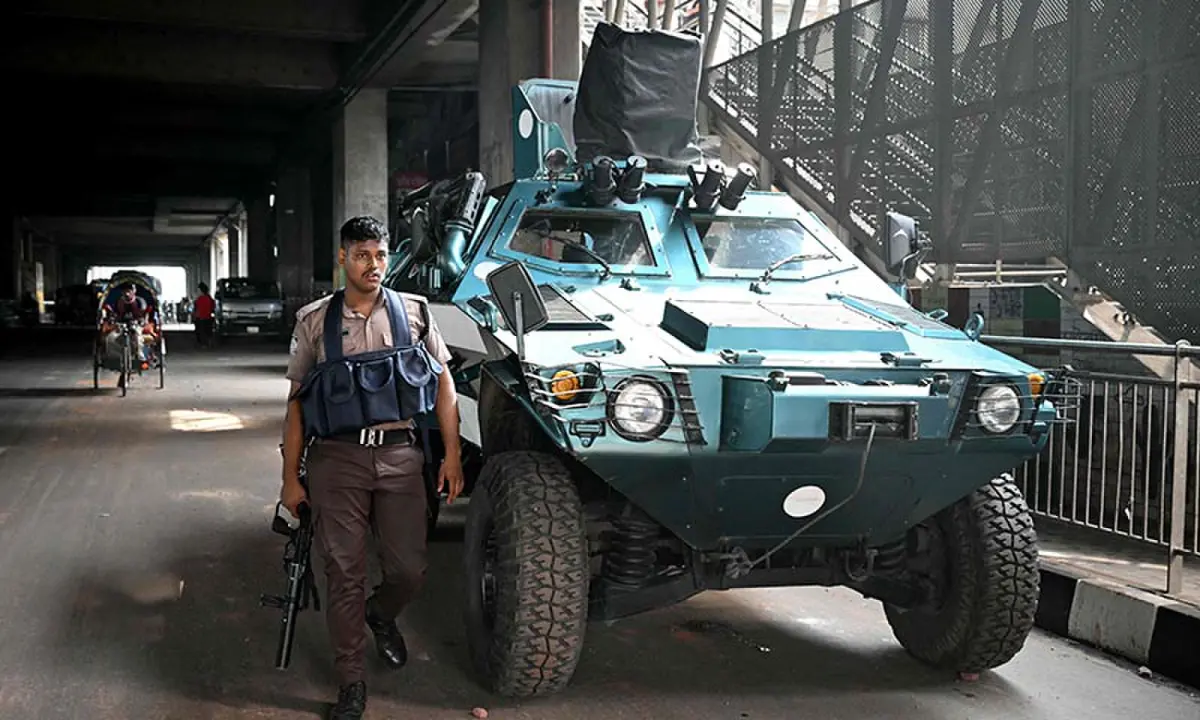
Garment workers in Bangladesh continued their fourth day of wage protests on Tuesday, facing tear gas from police as unrest disrupted factory operations and transport in the country's crucial export sector. The protests, which began on Saturday, have escalated despite the government's formation of a six-member wage board to review salaries in Bangladesh's garment industry, the world's second-largest apparel exporter after China.
This comes at a crucial time for manufacturers entering the peak production season for spring and summer export orders. The industry employs approximately 4 million workers, supplies major global brands like H&M, Zara, and Gap, and contributes over 80% of the nation's export earnings.
Clashes occurred across industrial areas around Dhaka, such as Ashulia, Gazipur, and the capital's Mirpur region, where workers demonstrated and attempted to block major highways. Dozens of people, including several police officers, were injured in the clashes. H&M, the Swedish clothing company, is currently assessing potential impacts on its supply chain, noting that only a limited number of factories have temporarily closed. The company expressed commitment to improving wages and working conditions for garment workers.
Several factories in Gazipur and Ashulia suspended operations or declared holidays after nearly 700 factories shut down the previous day. H&M reported that their supply chain remains largely unaffected, with only a small number of factories experiencing temporary closures. The company emphasized its desire for adequate compensation for garment workers and its commitment to addressing their concerns.
However, Clean Clothes Campaign industry advocacy group member Anne Bienias urged brands to act swiftly and support workers' demands. Industry officials cautioned that prolonged closures could delay shipments, harm Bangladesh's reputation as a dependable sourcing hub, and intensify competition with countries like Vietnam and India for global apparel orders.
The wage dispute emerged as workers face rising living costs and persistent inflation, prompting demands for a minimum monthly wage of 30,000 taka ($245) from the current 12,500 taka. Factory owners pointed to rising operating costs, energy market uncertainties due to Middle East conflicts, and softer demand in key export markets. They warned that prolonged unrest could disrupt production schedules and jeopardize export orders, while workers persist in their pursuit of higher wages and improved working conditions.
Written by urgent.news from Dawn's reporting — not their text. Machine-written — may contain errors; check the original before relying on it.
This story
This is one outlet's version. Read the fullest account.
- Bangladesh garment workers clash with police protesting higher wages gulfnews.com
- Garment workers clash with police over minimum wage in Bangladesh dailypost.ng
- Bangladesh garment workers stage fourth day of wage protests freemalaysiatoday.com
- Bangladesh garment workers stage fourth day of wage protests dailymaverick.co.za
- Bangladesh garment workers stage fourth day of wage protests channelnewsasia.com
- Bangladesh Garment Workers Stage Fourth Day of Wage Protests businessoffashion.com
- ‘Going hungry’: Garment workers in Bangladesh say wages barely cover needs aljazeera.com