Australia's central bank lifts rates to 18-year high, split vote points to pause ahead
SYDNEY: Australia’s central bank raised its cash rate to an 18-year high on Tuesday in its fifth hike of the year, though the vote was closer than many expected with three of the nine board members wanting to stay on hold. Wrapping up its November policy meeting, the Reserve Bank of Australia’s board lifted rates by 25 basis points to 4.85% and said it would continue to do what it considers…
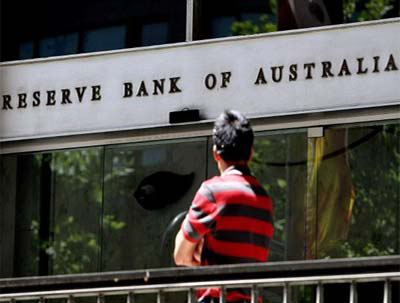
Australia's central bank, the Reserve Bank of Australia (RBA), has lifted its cash rate to an 18-year high of 4.85% in its fifth hike of the year. However, the vote at the policy meeting was closer than expected, with three out of the nine board members wanting to keep rates on hold. The RBA stated that it would continue to take whatever measures it deems necessary to bring inflation back to target.
The Aussie dollar dropped slightly to $0.6979, while three-year government bond futures fell 3 ticks to 95.14. Markets are predicting that the RBA will hold off on further rate hikes in December.
Economists had expected a rate increase, with 30 out of 32 forecasting one. Markets implied an 88% chance of a rate move after strong third-quarter inflation data and hawkish comments from policymakers. The RBA's annual tightening of 125 basis points has offset the 75 basis points of policy easing from 2025, positioning Australia among the most hawkish central banks among developed economies.
RBA's head of fixed income strategy, Katherine Palmer, suggested that the RBA would likely remain on hold for now, awaiting further data and assessing the impact of this year's tightening. Capital Economics's Marcel Theliant echoed this view, stating that the bank is likely "now done tightening," but may not begin easing until the end of next year.
Inflation remains a significant concern for Australian policymakers, with underlying inflation reaching a two-year high of 3.7% in the third quarter, up from more than five years above the central bank's 2% to 3% target band. The policy tightening has had a noticeable impact on the housing market, which is expected to experience its biggest downturn in four decades.
This downturn is anticipated to dampen household spending and affect various industries linked to housing turnover. Although the unemployment rate hit a five-year high of 4.7%, the RBA still considers it to be a bit tight, contributing to inflationary pressures in the economy. Despite the slowdown, Australia's economy continues to be driven by a data center investment boom, which is fueling demand in an otherwise constrained supply environment.
Written by urgent.news from Business Recorder's reporting — not their text. Machine-written — may contain errors; check the original before relying on it.
This story
This is one outlet's version. Read the fullest account.