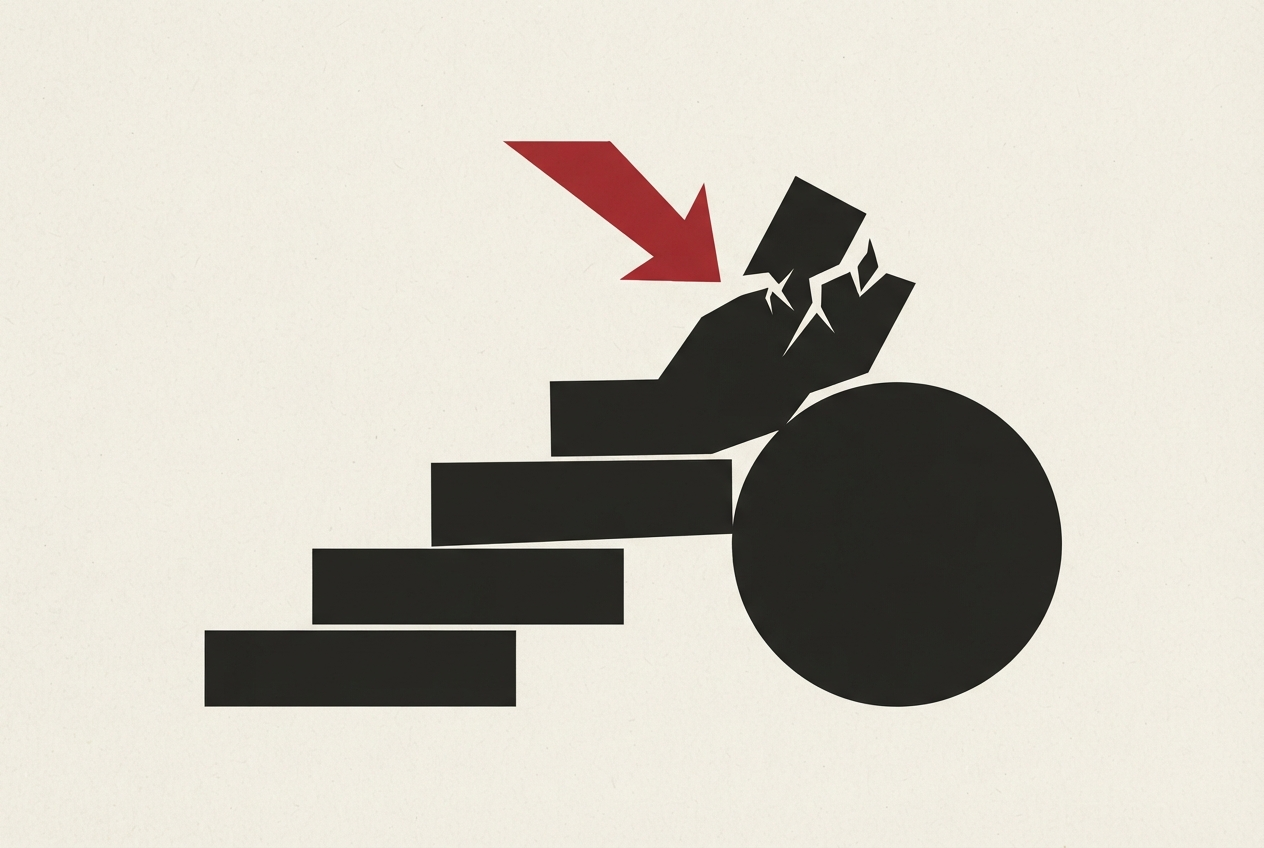
Are economists declining in status?
That is the theme of my latest Free Press article. Excerpt, which offers the beginning of the story: If we look at the 1960s, the John F. Kennedy and Lyndon Baines Johnson administrations brought James Tobin, Robert Solow, Kenneth Arrow (all three later Nobel laureates), Arthur Okun, Walter Heller, Gardner Ackley, Otto Eckstein, and Walt […] The post Are economists declining in status? appeared…
The article under discussion explores the perception that economists have experienced a decline in their social status. The era of the Kennedy and Johnson administrations saw a plethora of renowned economists like James Tobin, Robert Solow, Kenneth Arrow, and Paul Samuelson entering government roles, highlighting their academic prominence. However, this era of high esteem for economists appears to be waning.
During the 1980s, President Reagan appointed Martin Feldstein as the chair of his Council of Economic Advisers, a role held by Harvard professor and leading market-oriented economist. Notable figures such as Paul Krugman, Lawrence Summers, Michael Mussa, William Niskanen also worked under Feldstein, pointing to the continued presence of influential economists in government. Yet, despite this, there are factors pushing down the status of economists in contemporary times.
The Trump administration has proposed cutting social sciences funding at the National Science Foundation, and colleges and universities are experiencing declining enrollments. Academia is now viewed as more politically polarized and left-leaning compared to earlier times. Furthermore, the emergence of advanced AI models, which excel in economic forecasting and theorem proving, has led humans to question the uniqueness of their own expertise.
While some may perceive these developments as positive progress, they collectively contribute to the devaluation of economists' standing in society. The article suggests that despite potential positives, such as improved economic forecasting by machines, the status of economists continues to face challenges.
Written by urgent.news from Marginal Revolution's reporting — not their text. Machine-written — may contain errors; check the original before relying on it.