Apple’s Q4 results show the enterprise tide turning to local AI
While delivering record Q4 revenue , Apple’s financial results revealed a $33 billion cost associated with memory price inflation, representing the true cost of the growing bubble of AI data center investments . The results also showed something that threatens those same data center investments — a sea change in how enterprises are approaching AI. Inference costs, security, and data governance…
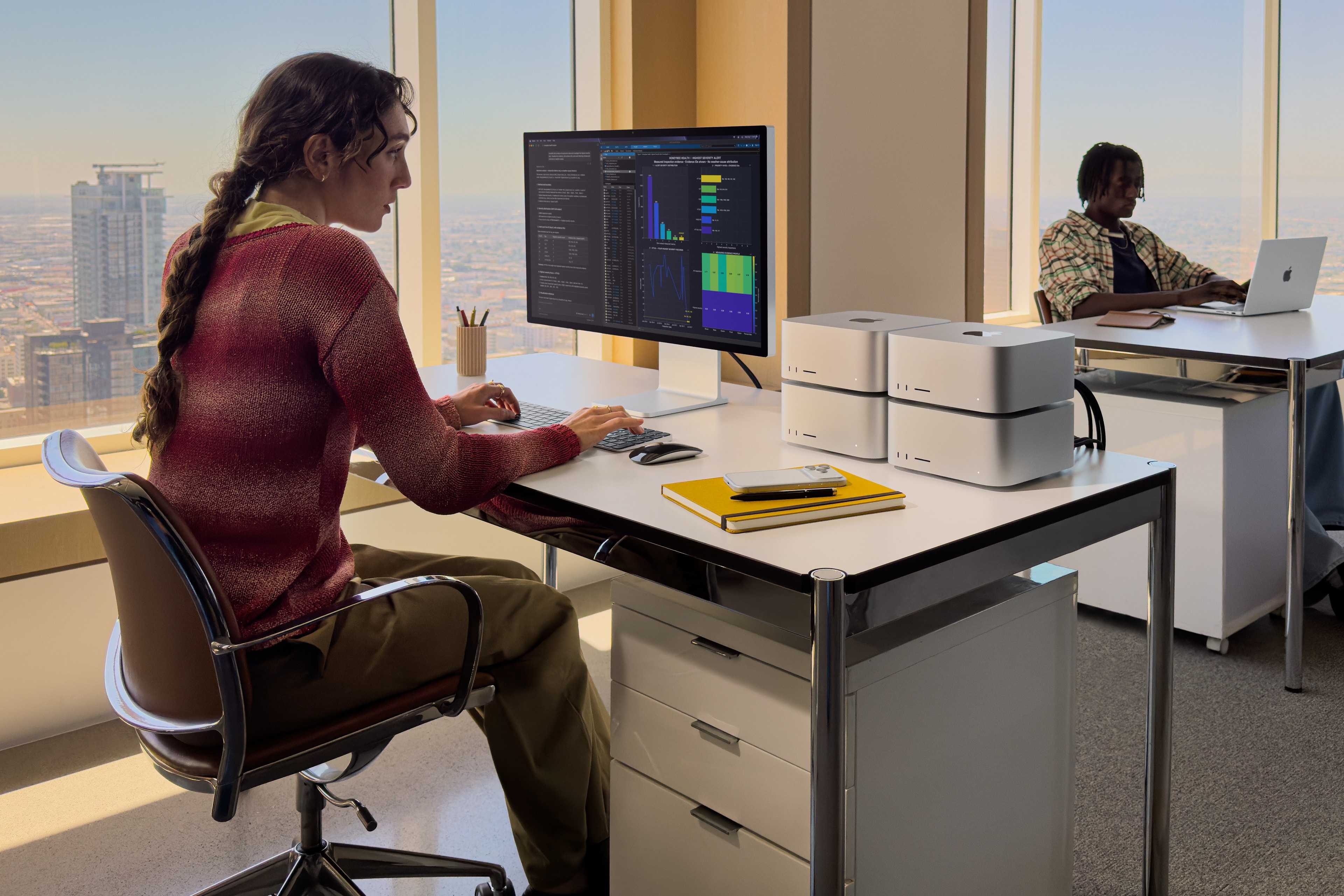
Apple's Q4 financial results indicate a shift in enterprise AI focus towards local processing. The company reported a $33 billion expense tied to memory price inflation, highlighting the true cost of AI data center investments. However, enterprises are increasingly turning to Apple's products for on-premises AI solutions, as cloud-based services face scrutiny over inference costs, security, and data governance concerns.
Notable enterprise clients, including Gap Inc., Christie's, American Airlines, and the Philippine Department of Education, are deploying Apple's Mac minis, iPhones, and MacBooks for various AI applications. These deployments help Apple build its mindshare and demonstrate the benefits of its hardware in handling complex AI calculations.
Apple's M-series and A-series processors are praised for their performance, and the company's ability to configure multiple devices into powerful on-premises AI systems is seen as cost-effective. CEO John Ternus emphasized the company's commitment to providing the best platforms for both first-party and third-party AI applications.
In addition to offering powerful hardware, Apple is also developing an end-user market for AI inferencing. The company provides developers with free access to its server-side LLMs for apps with under two million downloads and introduces a tiered system for those using the Private Cloud Compute infrastructure. Apple plans to charge end users for heavy access to its server-side queries through iCloud+, further monetizing both ends of the AI story.
Furthermore, Apple is enhancing its Siri AI capabilities, aiming to create a more capable and responsive virtual assistant. With a modern orchestrator-driven architecture, Siri AI is positioned as a promising tool for users, with the company ensuring transparency about user data access.
Written by urgent.news from Computerworld's reporting — not their text. Machine-written — may contain errors; check the original before relying on it.