Apple is all in on AI — its own and everyone else’s
Apple's latest earnings show how it's continuing to capitalize on the AI boom without busting its budget on the infrastructure spending consuming its competitors. Overall, Apple posted its best-ever fiscal year for revenue and earnings per share. iPhone and Mac sales continued to grow strongly in the fourth quarter. iPhone revenue rose 17.5% from a […]
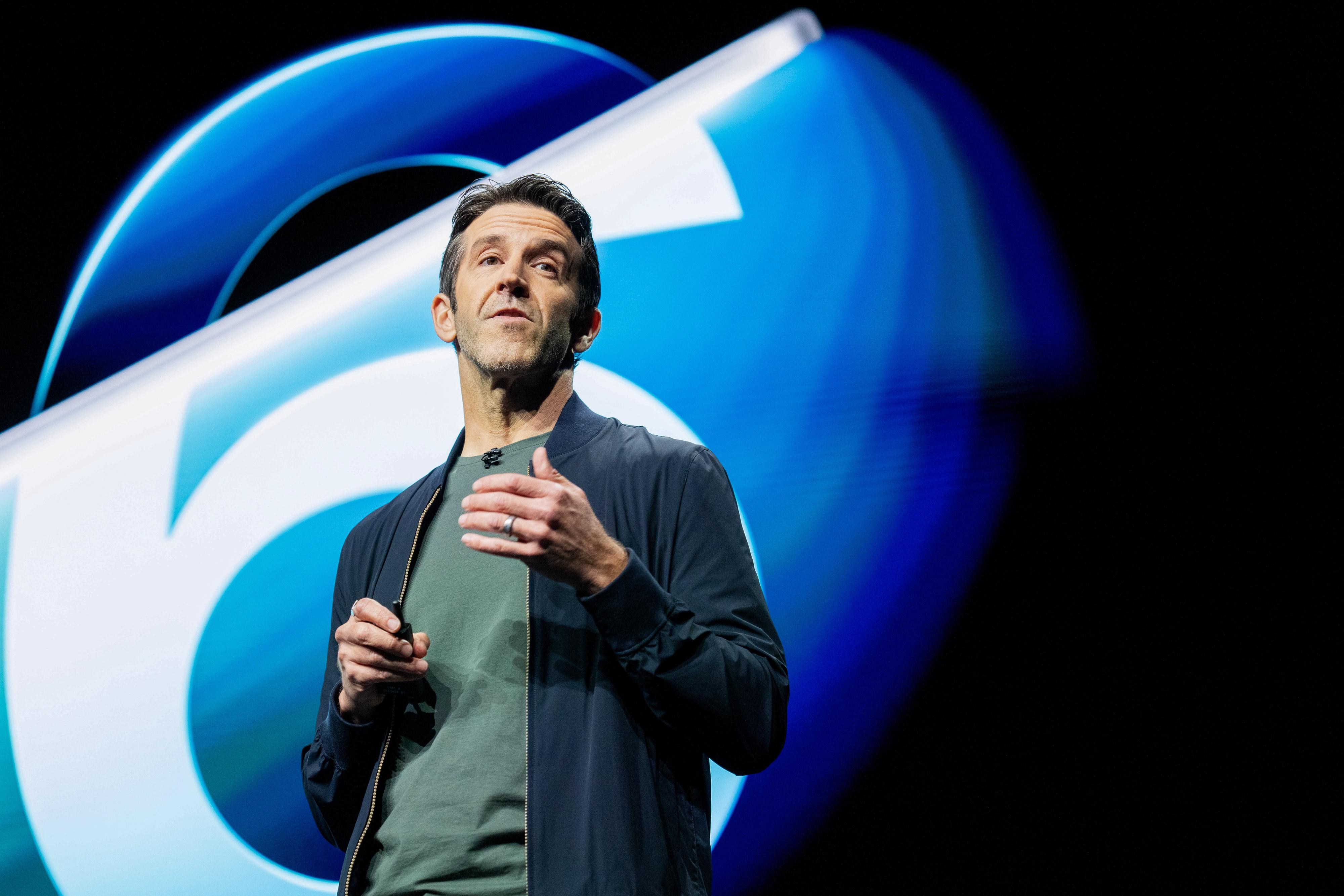
Apple executives highlighted AI 45 times during its latest quarterly earnings call, underscoring the company's growing commitment to the technology. In its most recent fiscal year, Apple reported record revenue and earnings per share growth. iPhone and Mac sales remained robust, with iPhone revenue up 17.5% to $57.6 billion and Mac revenue increasing 24% to $10.8 billion.
Despite warnings of rising memory costs squeezing margins in the upcoming holiday quarter, Apple remains optimistic about AI's potential to drive further sales. CFO Kevan Parekh emphasized that AI offers multiple avenues for revenue growth, including attracting customers to upgrade for new capabilities, third-party app partnerships, and expanded access to Apple's own AI features.
CEO John Ternus expressed enthusiasm for AI and Apple Intelligence, describing them as a key interface for consumers to engage with AI technology. Unlike competitors heavily investing in AI infrastructure, Apple utilizes a combination of on-device processing, its own servers, and third-party AI technologies. Siri currently employs Google's Gemini models, but Apple plans to allow users to choose from various AI providers for features like writing tools and image generation.
Apple's capital expenditures totaled $2.2 billion, significantly lower than rivals Amazon ($77.3 billion) and Alphabet ($51.4 billion). Operating expenses rose 21% to $19.2 billion, driven by increased R&D investments, including AI development. Initially launched in September for US English users, the revamped Siri AI expanded to more languages in October and is expected to generate subscription revenue as usage limits are introduced.
Apple's hardware, such as Mac and Mac Studio, is experiencing an AI moment, with companies like Gap and Christie's leveraging these devices for AI tasks locally, avoiding cloud costs. This strategy allows customers to utilize AI without paying per request to cloud providers. Apple stands to profit from both hardware sales and third-party AI subscriptions, as well as potential future charges for more advanced AI services.
Written by urgent.news from The Verge's reporting — not their text. Machine-written — may contain errors; check the original before relying on it.