Alibaba’s Joe Tsai champions open-source AI at Wuzhen Summit amid US pushback
Open source is the only viable path to creating a sustainable artificial intelligence industry, Alibaba Group Holding chairman Joe Tsai said on Tuesday, as the Chinese technology giant doubles down on its open-source AI strategy. Speaking at the opening ceremony of the annual World Internet Conference Wuzhen Summit in eastern China’s Zhejiang province, Tsai pointed to a growing convergence around…
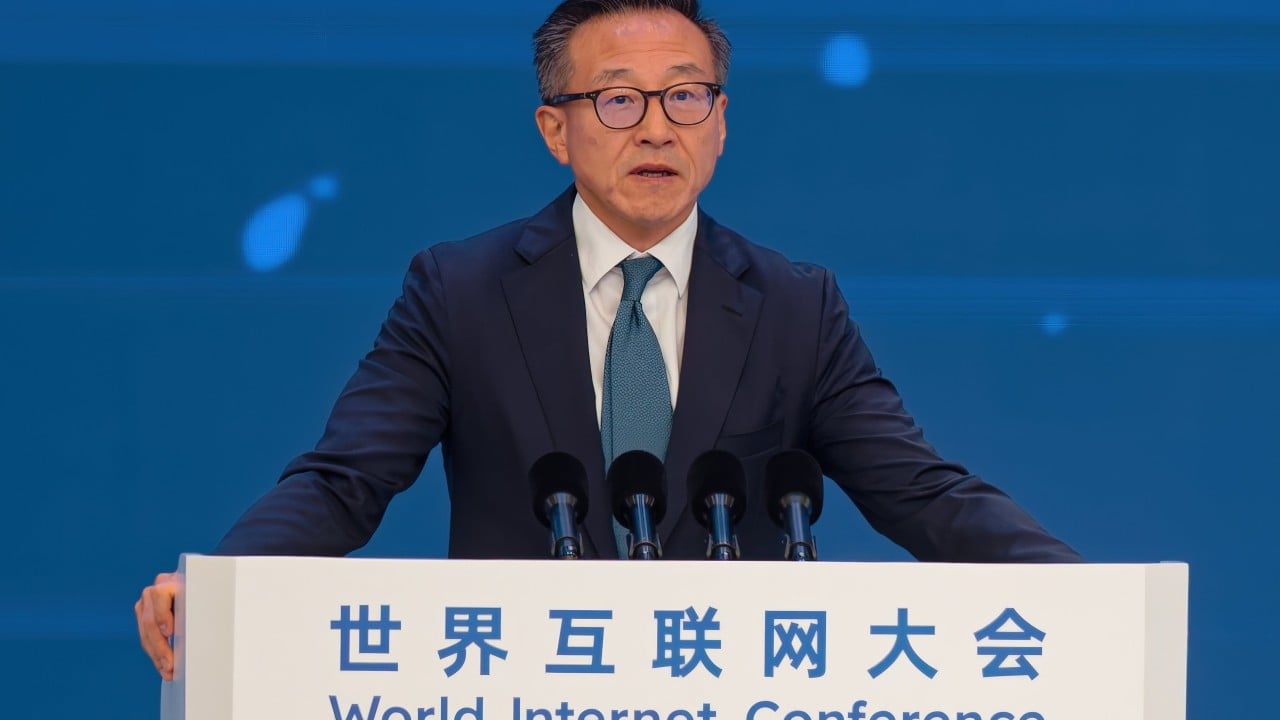
Alibaba's Chairman Joe Tsai expressed strong support for open-source artificial intelligence at the World Internet Conference, commonly known as the Wuzhen Summit, held in eastern China's Zhejiang province. Tsai, speaking at the summit's opening ceremony, emphasized that open-source AI is the only viable path to establish a sustainable industry, as it enables AI to become popularized and creates a sustainable, inclusive intelligent era.
Tsai highlighted the growing convergence of domestic tech companies around open ecosystems, noting that the surging demand for AI is coupled with persistent shortages of computing power. He stressed the importance of open-source AI in advancing China's leading role in the global open-source landscape, drawing from his "spiritual core of Chinese innovation" philosophy.
This philosophy focuses on transcending self-interest for the common well-being, elevating collective wisdom through sharing, and creating greater value by helping each other succeed.
The Chinese government has backed open-source AI as part of its broader strategy for technological self-reliance amid a rivalry with the United States. Late last month, AI companies DeepSeek and MiniMax received regulatory approval to release and license open-source systems overseas, following new export restrictions proposed by authorities. This allows domestic AI champions to continue distributing model weights internationally.
While US companies like OpenAI and Anthropic have raised safety concerns about powerful open-weight models, many developers globally are increasingly turning to open alternatives. Former Google Brain head and Baidu chief scientist Andrew Ng noted that open-weight systems seem safer than closed-weight models and used two Chinese models to conduct security reviews on an AI agent tool.
Alibaba has been a leading promoter of open-source AI in China, with its Qwen model family featuring over 470 open-source variants. These models have garnered more than 4 billion downloads and inspired over 330,000 derivative models. Tsai cited the example of a Ugandan non-profit that used Qwen to build a local AI model supporting 68 African languages, allowing local engineers to bypass foundational hurdles without building models from scratch.
Written by urgent.news from South China Morning Post's reporting — not their text. Machine-written — may contain errors; check the original before relying on it.
This story
This is one outlet's version. Read the fullest account.