AI is on the ballot. Data centers are a major political issue in the midterms. But the implications of today’s vote for AI go much further
A Democratic-controlled Congress could mean more regulation and more scrutiny for AI companies, while experts are also watching to see if AI plays a role in election misinformation.
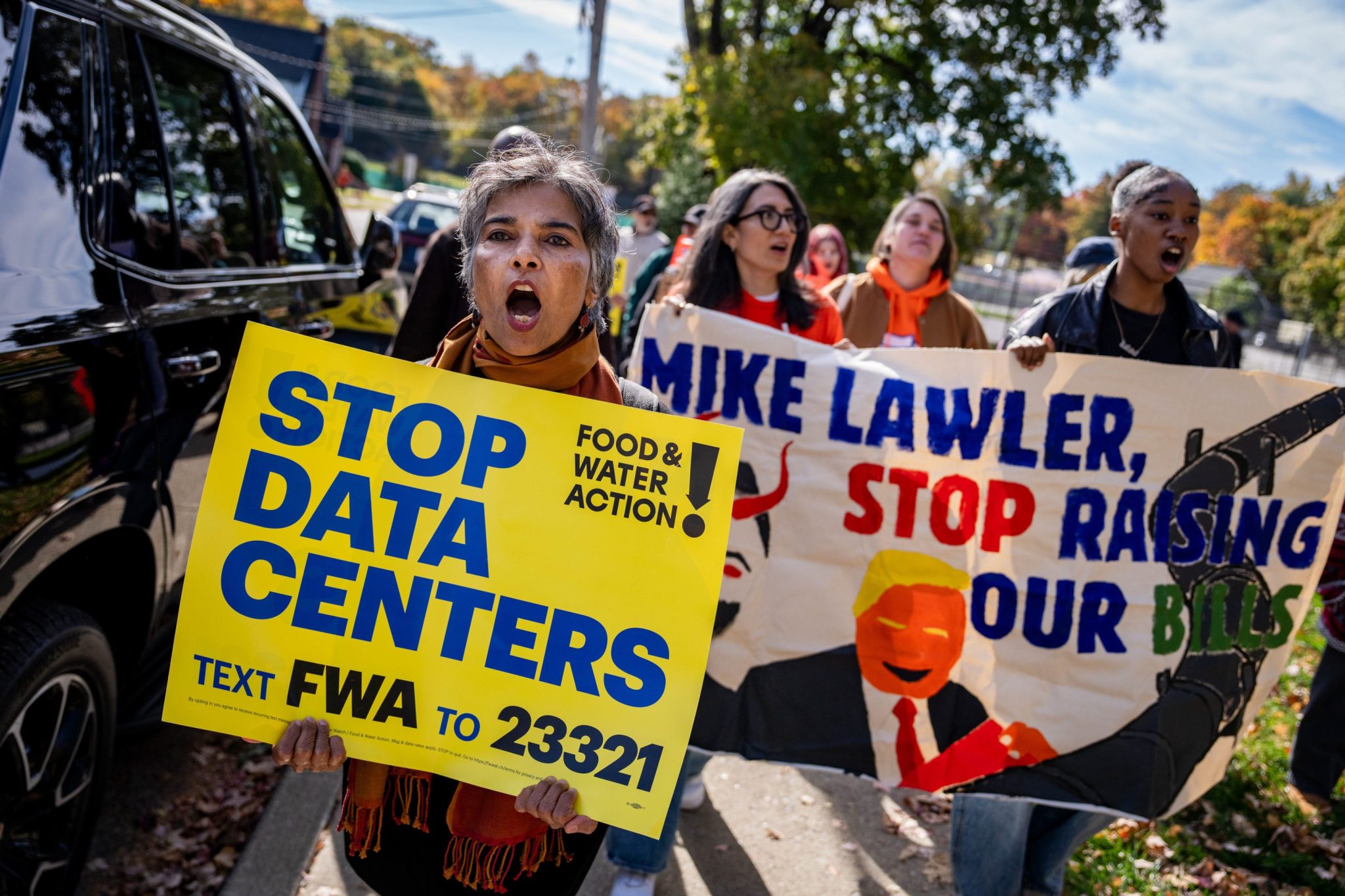
In today's U.S. midterm elections, AI is making headlines as voters in numerous states and municipalities weigh measures that could significantly impact the construction of data centers.
Data center projects, worth hundreds of billions of dollars, are on the ballot in 41 locations across the country, ranging from California to Maine. Ohio leads the pack with 21 measures, including 11 that aim to ban or pause further data center developments.
One particularly notable case is a $2 billion Amazon Web Services (AWS) data center project in Sunbury, Ohio. The company promises the project will create 1,000 construction jobs. However, local opposition is strong, and voters will decide whether to recall the mayor and two city commissioners who supported the project.
Moreover, a $10 billion AWS project in Adams County, Ohio, is also on the ballot. The increasing fear surrounding AI, as indicated by a recent Pew Research Center poll, could jeopardize these projects.
Data center developers have faced scrutiny for rushing projects without sufficient political support from local communities. OpenAI, for instance, is advocating for a more community-oriented approach, although its "compute campuses" initiative remains uncertain.
Nvidia CEO Jensen Huang emphasized the need for community partnership and engagement, stating that the industry needs to change its approach if it wants to turn the tide on data centers.
Anthropic, another AI player, disclosed more infrastructure and compute commitments in its latest prospectus, with the figure now totaling $895 billion. The company is also investing $5 billion in the third quarter to secure short-term computing capacity, citing increased demand as a major reason for its adjusted operating margin falling to 15% from 19% in the previous quarter.
The midterm elections could potentially usher in a Democratic-controlled Congress, which may prioritize AI regulation. Democrats are more likely to enact federal AI laws compared to the current administration. However, any legislation will likely face a veto from President Trump, necessitating a bipartisan bill with broad support to succeed.
Written by urgent.news from Fortune's reporting — not their text. Machine-written — may contain errors; check the original before relying on it.