AI chip smugglers exploit trade control loophole to bring banned HBM from South Korea into China — expensive memory chips packaged with cheap, unsanctioned processors to become legal exports
Customs authorities only check the performance specifications of a server's processors, allowing smugglers to attach high-end memory chips to low-end processors and ship them into China.
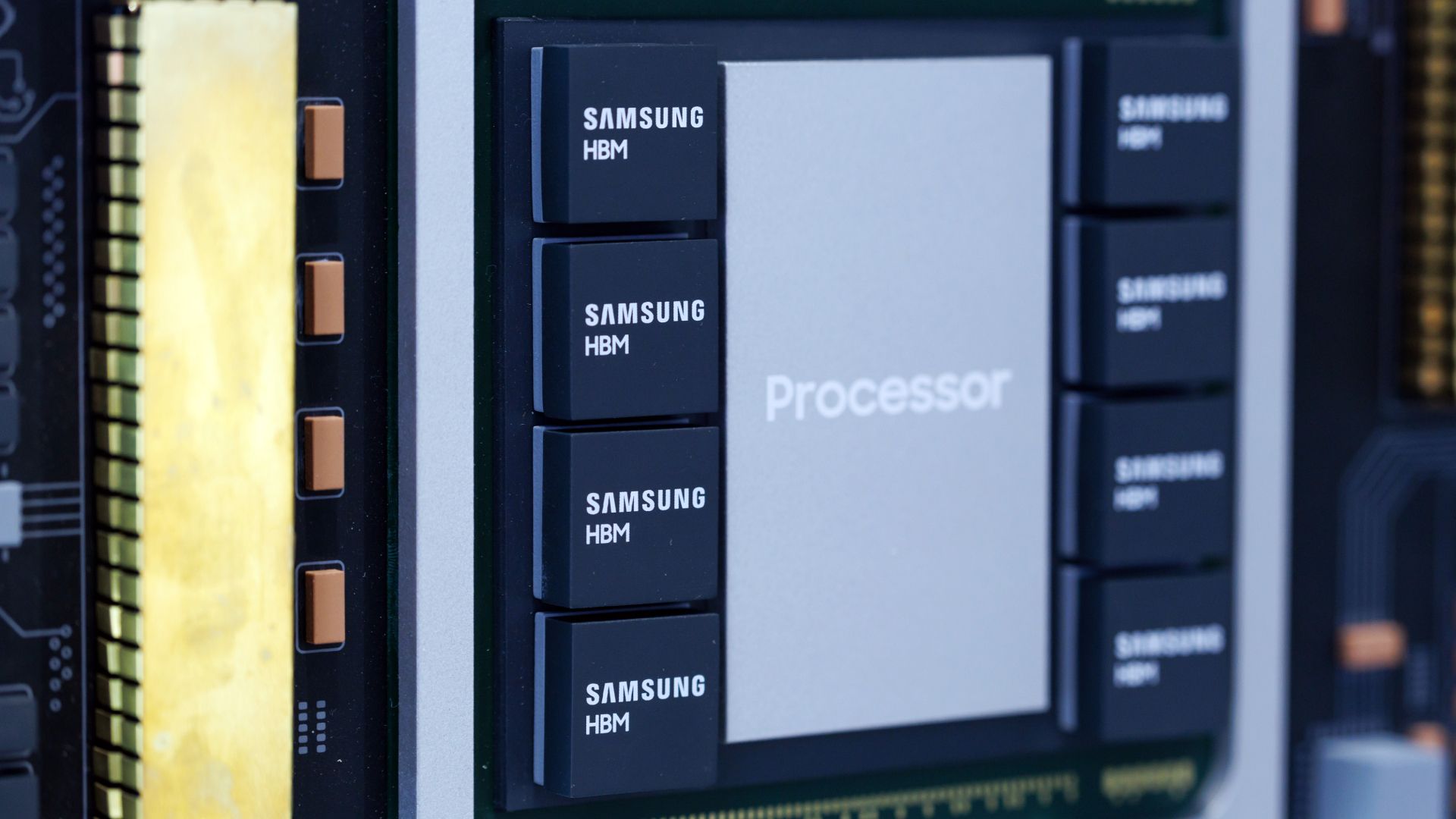
A memory smuggler has revealed how he transports export-controlled HBM chips from South Korea into China using a loophole. According to The Information, his company builds cheap processors that comply with U.S. and South Korean export controls. These processors are then combined with expensive HBM chips from Samsung and SK hynix, which are forbidden for export to China.
The U.S. export control rules focus solely on the performance of server processors, disregarding other components attached to them. This discrepancy allows the HBM chips to go undetected and enter China. While the U.S. remains undecided on chip sanctions, China is actively developing its own chip supply market. China aims to secure a 30% share of the DRAM memory market by 2030 with its sixth mega-fab.
However, this operation is not without risks. The smuggled processors arrive in Hong Kong and are smuggled into Shenzhen by commuters traveling between the two regions. Technicians then dismantle the boards, extracting the high-value HBM chips and discarding the processors. This process generates lucrative profits, as a single HBM3E unit now costs around $4,000 in China, up from several hundred dollars a year ago.
Chinese AI labs face a memory chip shortage when acquiring AI GPUs. CXMT, a Chinese memory manufacturer, is producing HBM3E chips but is currently experiencing low yields, resulting in high production costs. Meanwhile, Huawei's top AI processor, the Ascend 950DT, priced at approximately $37,000, delivers half the performance of the previous-generation H100.
Huawei's upcoming flagship processor, the 960DT, is expected to match the H100's performance, but the company cannot procure HBM chips from Samsung and SK hynix, leading customers to seek alternative suppliers. This trend is likely to increase demand for HBM chips, driving prices higher and making smuggling operations more profitable.
Authorities in South Korea and the U.S. may soon crack down on this smuggling method, given the ongoing crackdown on similar activities.
Written by urgent.news from Tom's Hardware's reporting — not their text. Machine-written — may contain errors; check the original before relying on it.