Acecore wins TC Battlefield 2026 with Nigerian-made batteries
Acecore, a Nigerian startup that builds home energy storage systems, won the $10,000 grand prize at TC Battlefield 2026.
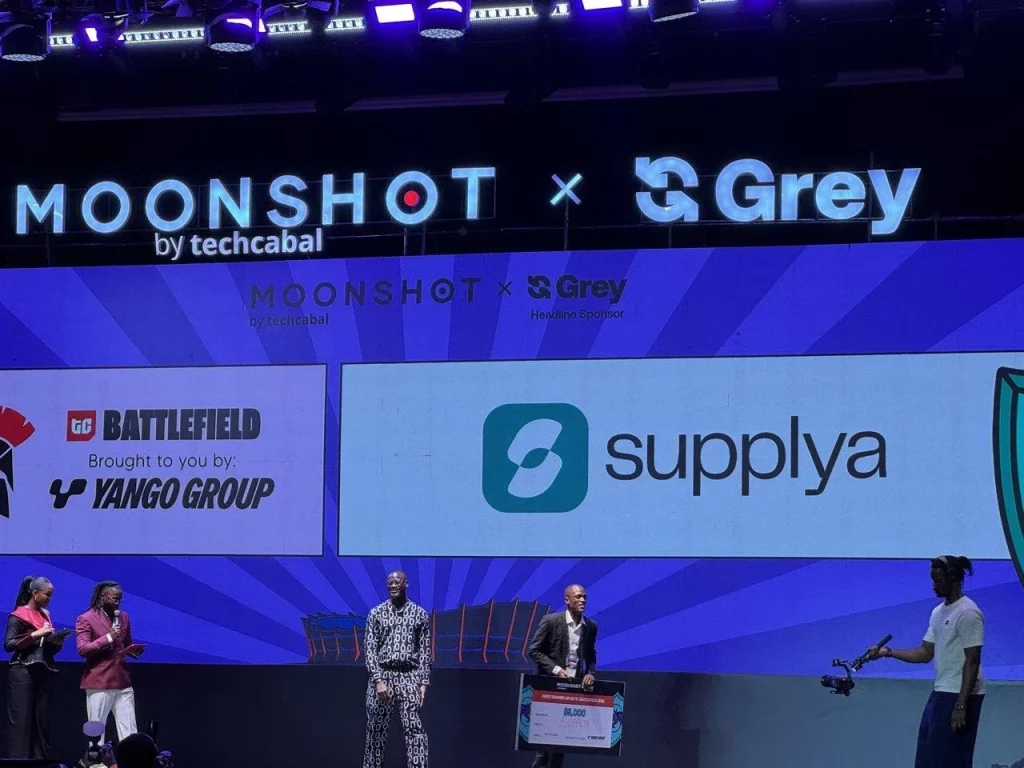
Acecore, a Nigerian startup that manufactures home energy storage systems, emerged victorious in the TC Battlefield 2026 competition held in Lagos on October 29. The company claimed the $10,000 grand prize, while Supplya, which provides informal retailers with credit, secured second place and $5,000. Navidyn, a maritime robotics startup, took third place with $2,500.
Acecore's founder and CEO, Caleb Iwuoha, stated during the final that all components of their system, including the casing and battery management software, are "built here in Nigeria by our very own hands." The company's home battery system costs more than 20% less than comparable products and allows customers to pay in installments through a partner bank.
Nigeria imported 1,721 megawatts of solar panels from China between June 2024 and 2025, making it Africa's second-largest importer after South Africa, according to energy think tank Ember. The three winners were selected from a pool of 10 finalists, which also included Growwr, Kuraway, Fertitude, Lena, QiqiFarms, Riwe, and Swiftway Shippers.
Acecore faced tough questions regarding pricing, with one judge noting that imported Chinese systems cost a similar price to Acecore's, starting at around $5,250. Iwuoha responded by explaining that the company maintains a 62% margin. Navidyn emphasized the growing importance of investing in advanced AI and robotics for Africa, highlighting a $5,000 inspection job offered to them by a Sahara Group representative before their product was ready.
Supplya, the runner-up, has extended over $150,000 in credit to small shops since October 2024, with 98% of the repayments made. Navidyn and Supplya, along with women's health app Fertitude, were also granted places in Antler's residency program, which offers up to $250,000 in pre-seed investment. Notably, two of the three podium positions this year were awarded to startups building physical products in Nigeria, a path that is both slower and more costly than developing software solutions.
If Acecore and Navidyn can maintain their margins against imports, they will demonstrate to investors that hardware made in Nigeria can compete on price as well as on its story.
Written by urgent.news from TechCabal's reporting — not their text. Machine-written — may contain errors; check the original before relying on it.