8 converted jet engines are powering xAI data centers as companies look for new energy sources
A Mississippi xAI data center is using eight converted jet engine turbines as a power source despite the known health risks of the carbon monoxide and volatile organic compounds they produce.
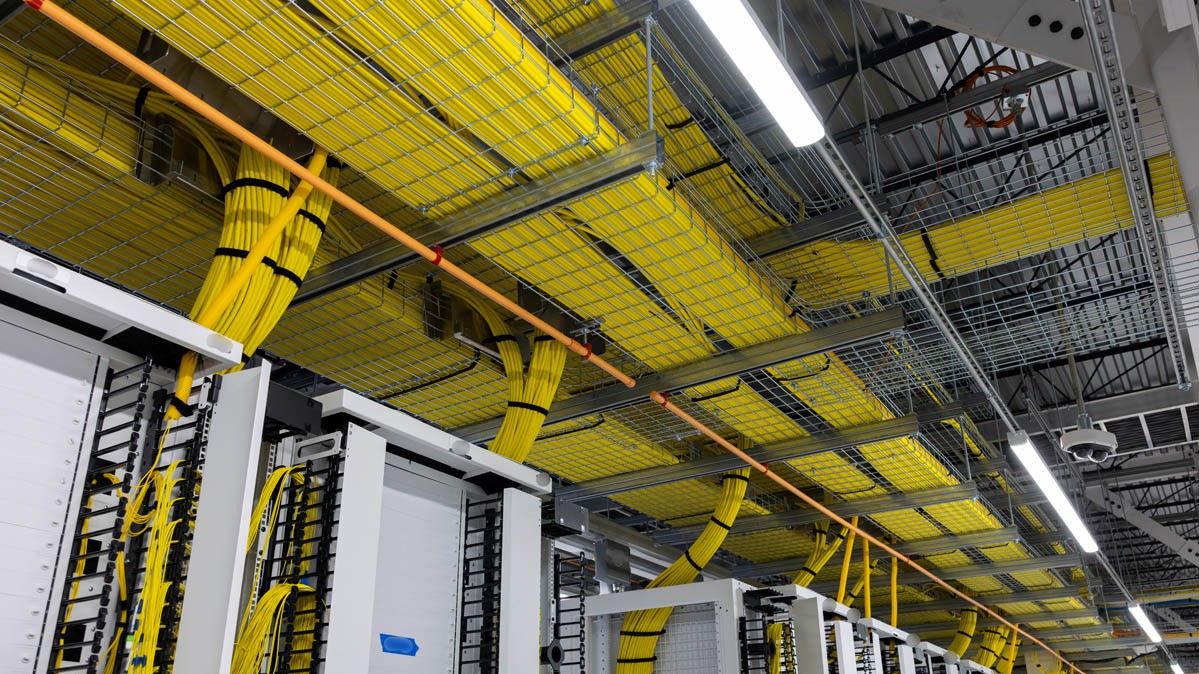
xAI, a company founded by Elon Musk, is utilizing eight repurposed jet engine turbines to provide power to a data center located in Mississippi. Despite possessing the necessary state-level permissions and licenses, there are apprehensions regarding the potential environmental consequences of employing jet engines for this purpose.
The licenses permit a 25% higher threshold for volatile organic compounds, which, in combination with carbon monoxide emissions, have environmentalists expressing concern that the use of jet engines to power data centers is not the right approach. The Southern Environmental Law Center has already contested Mississippi's approval of these turbines for use at xAI's data center. For more details, visit TH Premium. (Image credit: Microsoft)
The cooling strategies for data centers, particularly those utilizing artificial intelligence (AI) application-specific integrated circuits (ASICs), are evolving. In the United States, the rules surrounding AI chips are subject to frequent changes, affecting other nations as well. In March 2026, Ian Buck, Vice President of Hyperscale and HPC at NVIDIA, addressed queries regarding the shelving of CPX and the launch of LPU chips.
With the rising demand for data center CPUs, AI agents have gained prominence. Environmental groups argue that xAI has not adequately assured that the jet-powered turbines meet the required emissions standards for specific pollutants, such as formaldehyde. They also claim that xAI has underestimated the projected emissions related to the data center's power sources.
This issue follows a previous lawsuit filed by the same group against xAI for operating gas generators without the required permits in an area with over 100,000 residents. ProEnergy, a Missouri-based firm, converts used General Electric jet engines, typically attached to Boeing airplanes, into turbines that can generate up to 50 megawatts of electricity each, enough to power approximately 15,000 homes.
The company recognized the growing energy demand and shifted its focus towards utilizing jet engines to power data centers. Energy availability has been a persistent challenge for data centers, both established and in development. A July 2026 report projected that data centers would consume 20% of all U.S. power by 2035, marking an 83% increase compared to the previous estimate from seven months earlier.
Nevertheless, as of April 2026, half of the data center construction projects had been postponed or canceled due to factors including insufficient power. This situation poses a particular threat to xAI, as Musk had previously announced that the company would expand its data center capacity by seven times before the end of 2027. Delays and cancellations could potentially disrupt these plans.
Public opinion towards data centers has become increasingly negative in recent months, primarily due to power shortages and concerns about the substantial water consumption by these facilities. Although converting jet engines might alleviate one concern, the pollution they produce is unlikely to alleviate the local community's apprehensions in the near future.
Written by urgent.news from Tom's Hardware's reporting — not their text. Machine-written — may contain errors; check the original before relying on it.