28,800 rubber ducks lost at sea in 1992 still tracked today
A cargo ship accident in January 1992 released a multitude of plastic toys into the ocean's depths. Oceanographers seized this unexpected incident as a unique opportunity to study ocean currents and their migration patterns. Through collaboration with beachcombers and intricate simulations, they gathered crucial data, unveiling new insights on global ocean connectivity. Despite the degradation of…
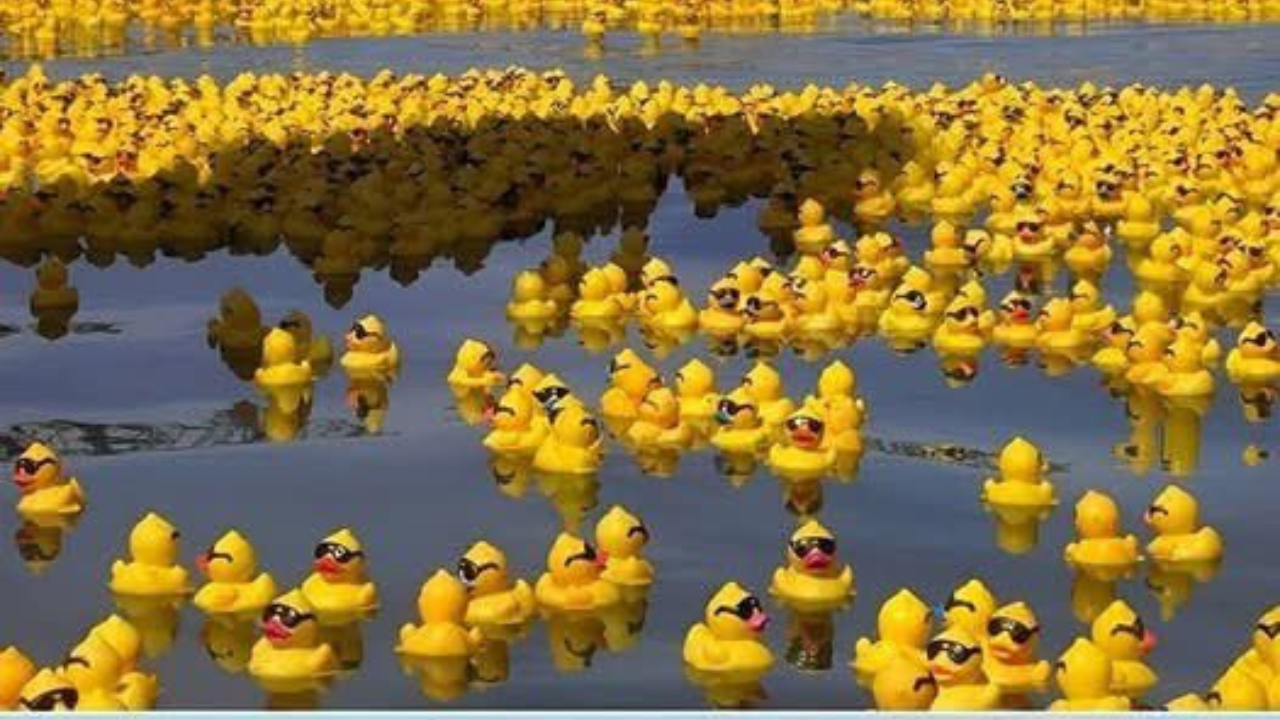
On January 10, 1992, a storm off the coast of Alaska caused the Ever Laurel to lose 12 shipping containers containing thousands of plastic toys. Among the contents were yellow ducks, blue turtles, red beavers, and green frogs manufactured in China for the American company The First Years. These durable toys were designed without holes, allowing them to float across the ocean currents until they reached shorelines worldwide.
The shipping accident initially seemed like an amusing incident, but oceanographers Curtis Ebbesmeyer and James Ingraham recognized the opportunity to study ocean currents. They collected data on the toys' locations using help from beachcombers and offered a $100 reward for any reported sightings. The researchers found that the toys traveled thousands of miles, becoming trapped in sea ice in the Arctic before being released into the North Atlantic.
The investigation revealed that some toys had traveled vast distances while others remained stuck in ocean currents for years. They were discovered on beaches in Alaska, Hawaii, the US Atlantic coast, the UK, Ireland, and eastern Canada. Dean Orbison and his son Tyler continued to document the toys' findings along the Sitka shoreline for over a decade.
To validate their models, researchers simulated 70 rubber ducks released at the exact time and location of the accident. Over 11 and a half years, the virtual toys remained relatively close together, allowing scientists to compare the model's predictions with actual recovered toys. This comparison provided valuable data on the movement of floating objects and helped refine ocean current simulation models.
The rubber duck spill demonstrated the interconnectedness of Earth's oceans and the impact of plastic debris on marine life. While most toys have degraded into microplastics, their study continues to serve as a prime example of the complex ocean current systems worldwide. Some rare specimens still wash up on beaches, occasionally fetching prices of up to $1000.
Written by urgent.news from Times of India's reporting — not their text. Machine-written — may contain errors; check the original before relying on it.